- New Website Same Amazing Team!
- Request a Consultation Here

Dr Yezdi Mistry is a Specialist Plastic and Reconstructive Surgeon practising in Charlestown, NSW. He provides a range of procedures including eyelid surgery (blepharoplasty) for suitable patients. Blepharoplasty is a precise eyelid operation that can address excess skin, puffiness, or heaviness in the upper and lower eyelids, addressing comfort and peripheral vision when redundant skin begins to interfere with sight. For many individuals, this procedure can be performed under local anaesthetic in accredited clinic rooms.
Understanding recovery after blepharoplasty under local anaesthetic helps patients prepare effectively, plan time away from work, and support healing at home. This comprehensive guide explains the recovery process from the day of surgery through the weeks that follow, with realistic expectations and evidence-based recommendations consistent with AHPRA guidelines.
Local anaesthetic numbs the eyelid region with carefully placed injections. You remain awake, you can hear conversation, and you may feel gentle pressure or movement, but the operative area is numb. Many people appreciate being able to return home soon after their procedure, without the extra recovery time that follows a general anaesthetic. Not everyone is suited to surgery under local anaesthetic, so careful assessment is essential. In Charlestown, Dr Mistry reviews your medical history, current medications, eye health, and goals, then explains the plan in straightforward terms so you know what to expect.
Most patients arrive having had a light meal and their usual morning routine unless advised otherwise. Measurements and photographs are taken for the medical record. The surgical markings are placed with you sitting upright, since gravity and posture influence eyelid position. Once local anaesthetic is administered, the eyelids become numb within minutes. The procedure usually takes between 45 and 90 minutes depending on whether one or both upper lids are addressed, and whether any adjunct steps are required.
At the end of the procedure, very fine sutures are placed. Ointment is applied, and the nursing team reviews the first stage of aftercare. You go home the same day with written instructions, emergency contact details, and a review appointment.
Recovery after blepharoplasty under local anaesthetic begins as soon as you leave the clinic. Plan for a quiet afternoon and evening. Keep your head supported on extra pillows when resting, and use cool compresses for short intervals during the first day, taking care not to place weight on the eyelids themselves. A small amount of oozing from the incision lines can occur in the first few hours. Blot gently, do not rub. It is normal for the eyes to feel slightly gritty as the anaesthetic wears off. Prescribed ointment and lubricating drops help with comfort.
Simple pain relief, often paracetamol, is usually adequate. Medications that increase bleeding are managed in consultation with your GP in the lead up to surgery, so do not add over the counter anti inflammatory tablets unless your surgeon has confirmed they are appropriate.
Swelling and bruising typically increase over the first 48 hours, then begin to soften. The eyelids can feel tight, especially when you first wake. Many people notice the two sides look different. This is expected, because the pattern of swelling is rarely perfectly symmetrical. Keep sleeping with your head elevated. Use cool compresses intermittently, and keep the skin around the incisions clean and dry other than the prescribed ointment. Gentle walks around the house are fine, heavy lifting and bending for long periods are not advisable.
Dryness and reflex tearing often alternate in the first few days. Lubricating drops can be used regularly during waking hours. Sunglasses are helpful outdoors, more for wind and light sensitivity than for appearance, though they provide both kinds of support.
By the end of the first week, bruising begins to shift from purple to yellow green, which is a sign the body is clearing the blood pigments. Tightness eases, although many people still feel the lids are puffy by evening. Itching around the stitches is a common sign of healing skin. Try not to scratch, and avoid applying products that have not been recommended. Make up and contact lenses should wait until your surgeon confirms they are safe to use.
Suture removal usually occurs around day five to day seven. This is a brief visit. Once the sutures are removed, the incision lines may look pink and slightly raised. They will continue to settle over the next several weeks. Continue to protect the area from sun exposure with a brimmed hat and sunglasses whenever you are outdoors.
Most people feel comfortable returning to desk based work and social activities during the second week. Residual swelling is common, often more noticeable first thing in the morning. Elevating the head, staying well hydrated, and gentle walking all assist. Light exercise can usually be reintroduced after review, but high intensity training, lap swimming, and contact sports should be delayed until your surgeon confirms that the tissues are ready. If you work in a dusty or windy environment, additional protective eyewear can be sensible in the early weeks.
Screen use is guided by comfort. If your eyes feel tired or dry, take frequent breaks, use lubricating drops, and adjust screen brightness. Driving can resume once you can comfortably open your eyes, vision is clear, and you are not taking any sedating medications. If in doubt, wait until after your first review.
Recovery after blepharoplasty under local anaesthetic continues quietly under the surface for several months. The pink line in the eyelid crease softens and fades. The skin relaxes. Areas that felt firm begin to feel supple. Small contour changes can appear as the last bit of swelling resolves, which is why surgeons talk about the full result taking time, even though the early changes are visible within weeks.
Scar care is simple and consistent. Protect the area from sun exposure, and use a broad spectrum sunscreen on the surrounding skin once the incisions are fully healed and your surgeon confirms it is suitable. In people with a tendency to pigment change, sun protection is especially important through the first three to six months.
Every eyelid is different. A personalised plan takes that into account before surgery, and those differences continue to matter during recovery.
General health influences healing speed. Well controlled blood pressure and diabetes, good nutrition, and avoiding smoking are strongly linked to more predictable healing. Smoking reduces skin blood flow and oxygen delivery, so stopping in the weeks before and after surgery is a practical decision that improves the wound environment.
Medications and supplements matter. Blood thinners, anti platelet agents, some herbal products, and high dose omega 3 oils can increase bruising and bleeding risk. You will receive clear instructions on what to stop and when, coordinated with your GP where appropriate. Do not make changes to prescribed medications without medical guidance.
The extent of surgery also has a role. Upper eyelid procedures usually settle faster than lower lid procedures, because the lower lid is more prone to retaining fluid. When upper and lower lid surgery are combined, the recovery window is extended. This does not mean something is wrong, it simply reflects the biology of the eyelid tissues.
Technique is another variable. Precise dissection, gentle tissue handling, and careful closure reduce tissue trauma. Local anaesthetic mixtures may include agents of different durations and a small amount of adrenaline to reduce bleeding. These details are chosen to balance comfort, clarity of the surgical field, and a calm post operative course.
Plan your first week before surgery so that home is set up for recovery. Place extra pillows on the bed. Prepare simple meals, and have ice packs or gel packs ready for short, gentle cooling intervals. Stock lubricating eye drops if recommended. If you wear contact lenses, have glasses ready for at least the first two weeks. Place a small waste bin and tissues near your chair or bedside to make it easy to manage minor oozing on the first day.
Hygiene is straightforward. Wash your hands before touching the periocular area. Use a clean face towel, pat the cheeks gently, and avoid rubbing the eyelids. Follow the instructions for ointment precisely, since using too much can blur vision and invite unnecessary irritation.
Sleep on your back for the first week if possible. Side sleeping can increase pressure on one eye, which sometimes exaggerates asymmetry in swelling. If you normally sleep on your side, place a pillow or rolled towel behind your back to help you stay in position.
Nutrition supports wound biology. Aim for balanced meals with adequate protein, vegetables, and whole grains. Keep well hydrated, and limit alcohol in the early period because it can increase bruising and disturb sleep.
Straining, heavy lifting, and inverted poses increase pressure in the head and neck, which can increase swelling or provoke a small bleed. These activities should be avoided for at least two weeks, sometimes longer depending on your review. Sauna, steam rooms, and very hot showers are best postponed for the same reason. Swimming pools and spas carry a small risk of introducing bacteria to fresh wounds, so wait until the skin is fully sealed and you have clearance.
Eye make up, lash serums, and photosensitive skin care actives are paused initially. Mascara and eyeliner can be reintroduced once the incisions are healed and Dr Yezdi confirms it is safe, usually after the first review. Start with clean brushes, avoid tightlining along the lash margin in the early weeks, and remove make up gently at night.
Contact lenses should not be placed until the swelling has reduced and the sutures are out, then only if it is comfortable to do so. Many people prefer glasses for two to three weeks.
Normal experiences include tightness, mild burning or itching at the incision line, fluctuating tearing and dryness, and evening puffiness that improves overnight with elevation. Mild asymmetry early on is common. Small lumps under the skin can reflect dissolving blood or localised swelling and typically resolve without intervention.
Contact the clinic promptly if you notice sudden swelling that feels tense, increasing pain after a quieter period, spreading redness, discharge with fever, difficulty opening the eye, or any change in vision. Visual symptoms are uncommon, yet they are always treated as urgent. Early assessment helps protect the eye and keeps recovery on track.
Recovery after blepharoplasty under local anaesthetic is shaped by what happens in the operating room. Accredited clinic rooms in Charlestown are equipped with appropriate monitoring, sterilisation protocols, and trained personnel. Patient selection is careful, and there are clear pathways for escalation if unexpected events occur. The same surgical principles apply in clinic rooms and hospital theatres, namely aseptic technique, thoughtful haemostasis, and respectful tissue handling.
Local anaesthetic solutions are prepared in precise concentrations. Adrenaline is used to constrict small vessels, which reduces bleeding and helps the surgeon see anatomical planes clearly. Your blood pressure is monitored, and positioning supports calm venous return from the head and neck. These small technical choices add up to a more predictable first week.
The surface of the eye can feel dry while swelling is present, because the eyelids do not spread tears quite as evenly in the early days. Prescribed lubricating drops improve comfort. Screens can be resumed as tolerated, but use the 20 20 20 rule, look away every 20 minutes at something 6 metres away for 20 seconds, and keep screens a little lower than eye level so you do not need to open the lids widely for long periods.
Sunglasses outdoors are helpful for light sensitivity and shield the healing skin from ultraviolet exposure. Choose glasses with good wrap and UV protection. If you already wear prescription sunglasses, keep them handy for the walks you will be taking during the first week.
Incision lines are placed in natural creases, which helps them blend. Early on they can look pink and slightly firm, then they soften. Some people experience transient areas of altered sensation above the crease. This is usually temporary and improves as small nerves settle. Gentle fingertip massage may be introduced after review, if recommended, to help any focal firmness flatten over time.
Sun protection is the single most important factor for scar quietness. Even on cloudy days in the Hunter region, ultraviolet light is present. A brimmed hat is useful in the first fortnight while ointment is still in use. Once cleared, apply sunscreen to the surrounding skin, and continue with sunglasses for comfort.
One of the advantages of recovery after blepharoplasty under local anaesthetic is that you can structure your return to routine in stages. Many people plan a week away from public facing work, then return with sunglasses if any bruising remains. If your work involves heavy physical activity, build in extra time. Evening events that include bright lighting or long hours are best delayed until swelling has settled, since planning for generous rest helps the eyelids look and feel calmer during the day.
Photographs tell the story honestly. In clinic, early photos at one to two weeks confirm progress, and later photos at three to six months show the final maturation. These images are part of your medical record and help guide future care if you ever need additional eyelid support later in life.
Follow up is not a formality, it is an active part of recovery. Early checks allow suture removal, confirmation that the ocular surface is comfortable, and reassurance that the pattern of swelling fits the expected timeline. Later checks focus on scar maturation and function. If a small adjustment or additional care is ever needed, identifying it early helps frame a plan that is proportionate and sensible.
Every surgical or invasive procedure carries risks. Before proceeding, it is reasonable to seek a second opinion from an appropriately qualified health practitioner. The purpose of this article is to support informed decision making, not to promise a particular outcome. Recovery after blepharoplasty under local anaesthetic is usually steady and manageable when the plan is tailored to your health, when pre operative preparation is thorough, and when aftercare is followed with care.
Being able to have eyelid surgery in accredited clinic rooms under local anaesthetic reduces the logistics of a hospital admission for suitable patients. It allows a familiar environment, direct communication throughout the procedure, and a return home the same day to begin recovery. For people living in Charlestown, Newcastle, and the wider Hunter region, that practicality matters, especially when planning support from family and arranging transport.
You do not need to remember every detail. Your written plan will summarise the key steps. Rest with your head elevated, use cool compresses in the first 48 hours, keep the eyelids clean and protected, avoid strain, and attend your reviews. If anything feels unusual, call early rather than waiting. Most questions are easily solved with reassurance or a small adjustment, and that is what a supportive recovery pathway is designed to provide.
Dr Yezdi Mistry is a Specialist Plastic and Reconstructive Surgeon, BHB, MBChB, FRACS Plastic Surgery, practising in Charlestown, NSW. He is experienced in eyelid surgery under local anaesthetic for suitable patients and is committed to transparent, patient centred communication. Professional memberships include the Royal Australasian College of Surgeons, the Australian Society of Plastic Surgeons, the Australian Society of Aesthetic Plastic Surgeons, the International Society of Aesthetic Plastic Surgeons, and the Australian Medical Association. Registration No. MED0001861566.
Contact Dr Yezdi Mistry
Charlestown Consulting Rooms
Suite 312, Level 3
99 Pacific Highway
Charlestown NSW 2290
Phone: 02 4062 7888
Email: admin@drmistry.com.au
Website: www.drmistry.com.au
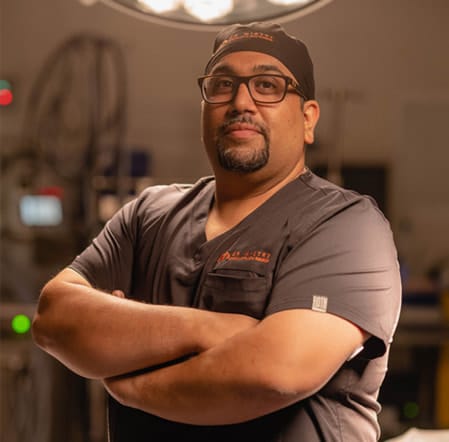
Dr Yezdi Mistry is a Specialist Plastic and Reconstructive Surgeon based in Newcastle, NSW. With extensive training and experience in both reconstructive and aesthetic surgery, Dr Mistry is committed to providing safe, evidence-based care that is tailored to each patient’s individual needs.
After completing his Fellowship of the Royal Australasian College of Surgeons (FRACS) in Plastic Surgery in 2013, Dr Mistry relocated to Newcastle with his family in 2015. He began his work as a Visiting Medical Officer (VMO) in Plastic and Hand Surgery at John Hunter Hospital before establishing his private practice in 2017. His practice offers a comprehensive range of reconstructive and aesthetic procedures for the breast, body, face, and skin.
Dr Mistry’s approach to patient care is grounded in trust, respect, and open communication. From initial consultation to recovery, he aims to ensure patients feel informed, supported, and comfortable throughout their surgical journey. He is dedicated to maintaining the highest professional and ethical standards in all aspects of his work.
To remain at the forefront of modern surgical techniques, Dr Mistry continues to pursue ongoing professional development both in Australia and internationally. He was Australia’s first delegate at the Body Contouring Academy in Paris, where he received advanced training in body contouring and skin-tightening techniques, including VASER and RENUVION technologies.
Fill in your details and our friendly team will be in touch with you
Please Note: Information provided on Dr Mistry’s website is provided as a basic guide, it does not constitute a diagnosis and should not be taken as medical advice. Any surgical or invasive procedure carries risks.



“I care because it’s my job as a surgeon, as a plastic surgeon, to do the appropriate thing and to give you a good outcome. I want to leave knowing that I can tell a patient, hand on heart, that I did the very best I could and that I looked after them, so when I see them post op later that day or the next morning, that they feel they were in good hands.”
– Dr Yezdi Mistry
Request a Consult
