- New Website Same Amazing Team!
- Request a Consultation Here

Recovery after liposuction is a journey of steady change rather than a single milestone. The body recalibrates. Swelling settles. Skin adapts. Energy returns. At his practice in Charlestown near Newcastle, Dr Yezdi Mistry, Specialist Plastic & Reconstructive Surgeon, guides patients through this process with clear information, measured expectations, and careful follow up. This article sets out what typically happens after surgery, how to prepare, and the practical steps that support safe and predictable healing.
Liposuction is designed to address body shape in selected areas. It is not a weight loss procedure. It requires planning, precise technique, and a structured plan for aftercare. The recovery phase is an essential part of the treatment. What you do in the days and weeks after surgery helps shape the long term outcome. With appropriate preparation and clear guidance, most people progress through recovery at a steady and manageable pace.
Every recovery is individual, but the underlying biology is consistent. Tissues respond to surgical work with swelling and bruising. Fluid shifts occur. The body then begins a controlled repair process. Collagen remodels. Inflammation recedes. Sensation evolves as small nerves recover. These changes take time. Some are visible in days. Others unfold over weeks or months.
From the first consultation in Charlestown, Dr Yezdi Mistry explains recovery as part of the overall plan. Patients learn how long they may need away from work. They receive advice on garments, activity, and skin care. They know which symptoms are expected and which require a call to the practice. This preparation helps reduce uncertainty. It also supports safe decision making once you are home.
Emotions during recovery are part of the clinical picture. Many people feel a mix of anticipation and doubt in the early phase. This is normal. The tissues are swollen. The final contour is not yet clear. Knowing this in advance makes the journey easier. Measured guidance from a surgeon who understands the typical pattern of healing can offer steady reassurance at each stage.
The first seventy two hours are about rest, protection, and gentle movement. Most patients return home on the day of surgery or after a brief stay, depending on the scale of the procedure. You will leave wearing a compression garment. This is not a cosmetic accessory. It is a clinical tool. The garment helps reduce swelling, supports the skin as it adapts, and encourages even settling of the tissues.
Expect tenderness, a feeling of tightness, and sometimes mild leakage from small incisions in the first days. Bruising may deepen before it fades. Swelling usually rises, peaks, and then begins to recede. Short, frequent walks are encouraged to promote circulation. Long periods of inactivity are discouraged. Hydration, balanced meals, and planned rest periods form the foundation of this early phase.
Medication is prescribed to manage discomfort. Take it as directed. Do not add non prescribed remedies without checking with the practice. Keep the garment clean and well fitting. If you are unsure about fit, contact the team. At his Charlestown clinic near Newcastle, Dr Yezdi Mistry and his staff provide postoperative support so you know what is normal and when to seek advice.
The first month brings steady change. Bruising fades. Swelling softens. Incisions settle. Many patients return to desk based work after one to two weeks, provided light activity is comfortable and the surgeon confirms it is appropriate. Heavier physical roles require a longer pause. This is planned case by case.
Compression remains important. Consistent wear promotes even healing. It can also limit small contour irregularities that sometimes occur as fluid redistributes. Numb patches or altered sensation are common in this phase. These usually improve as nerves recover. Skin may feel slightly firm or uneven in places. That texture reflects normal internal healing and should soften over time.
Nutrition matters. A diet of lean proteins, vegetables, whole grains, and adequate water supports tissue repair. Reducing salt may help limit fluid retention. Alcohol should be minimised in the early weeks, as it can affect swelling and rest quality. Gentle walking is recommended. High intensity exercise and lifting wait until Dr Yezdi Mistry clears you to progress. Rest remains part of the plan. Many people benefit from a set daily routine that balances light movement with recovery focused breaks.
Follow up is scheduled during this stage. Appointments confirm that healing is on track and that garment use and activity levels are appropriate. Questions are welcomed. Small adjustments now can protect long term outcomes. Patients under the care of a Specialist Plastic & Reconstructive Surgeon in Newcastle receive consistent, practical guidance tailored to the areas treated and the scope of surgery.
The second and third months usually bring visible refinement. As swelling declines, the treated areas appear more defined. The garment plan may change to daytime wear only or reduced hours, depending on progress. Many patients resume low impact cardio and gradually return to strength work as comfort allows. The key is graded progression. If an activity produces pain or pronounced swelling, stop, and seek advice before continuing.
Skin adaptation continues through this period. The rate of change varies with baseline skin quality, age, and the specific technique used. Adjunctive tools such as VASER or Renuvion may be part of the operative plan where appropriate. These technologies require careful selection and experienced application. In Newcastle, Dr Yezdi Mistry employs these methods when indicated, with a focus on clinical suitability and a steady recovery trajectory.
Energy usually improves. Daily tasks feel easier. Clothes fit more predictably as fluid settles. At the same time, subtle asymmetries can be more noticeable as swelling recedes. The body is not perfectly symmetrical. Minor differences are common and often soften with further healing. This is why patience remains vital through the three month mark.
By three to six months, most swelling has resolved. Tissues are softer. The final contour becomes clearer. Small scars fade and usually sit in discreet locations. Protect scars from sun exposure and follow the skincare plan provided by the practice. If scar massage or silicone therapy is recommended, use it as directed.
Long term maintenance depends on stable habits. The fat cells removed during liposuction do not return, but significant weight change can alter the appearance of untreated areas and shift overall proportion. A steady weight, regular activity, and consistent sleep patterns help preserve the surgical outcome over time. This is not about perfection. It is about stability and care.
At his Charlestown practice, Dr Yezdi Mistry sometimes reviews patients at later milestones to answer questions and assess the settled result. For individuals undergoing staged body contouring, discussions about any further steps occur only after tissues have fully matured. Decisions are based on clinical need, safety, and the patient’s goals, not trends.
Physical healing follows a pattern. Emotional adjustment has its own rhythm. Early on, swelling can make progress hard to judge. Later, as shape becomes clearer, feelings often shift toward calm and routine. Some days may bring enthusiasm. Others may raise questions. Both are common.
Open communication helps. Share how you are feeling at reviews. If uncertainty appears between appointments, contact the practice. Support is part of postoperative care. In the Hunter region and Newcastle, Dr Yezdi Mistry is known for a patient centred approach that includes this emotional dimension. He and his team understand that reassurance, clear explanations, and practical steps can reduce worry and help you return to everyday life with steady steps.
It also helps to maintain perspective. The body needs time to reorganise tissues and clear residual swelling. Setting realistic expectations and celebrating small milestones can make the process more attainable. Sleep, nutrition, and gentle movement are not only physical tools. They support mood and resilience too.
Preparation shapes the first weeks at home. A stable weight, good hydration, and ceasing smoking where relevant all support tissue health. Some supplements and medications influence bleeding or bruising and may need adjustment. This is planned in consultation with the practice. Arrange help for the first days. Prepare a quiet space with easy access to water, light meals, and supportive pillows. Set up the garments and simple hygiene supplies you will need.
Plan your leave from work with a buffer. Recovery is not a race. Extra time reduces pressure and allows you to respond to your body’s signals without rushing. If you care for others, arrange cover for the early period so you can prioritise rest and short walks. In Charlestown near Newcastle, Dr Yezdi Mistry provides a written checklist that outlines these steps clearly, so nothing important is missed.
Consistency at home is powerful. Wear the compression garment exactly as advised. Take medications as prescribed. Walk short distances several times a day. Avoid long stretches of sitting or lying still. Elevate when resting if the treated areas benefit from it. Keep water within reach. Plan simple, balanced meals. Reduce salt to help manage fluid.
Sleep can be unsettled in the first week. That improves. Use pillows to support a comfortable position that avoids pressure on treated areas. If you are unsure how to position yourself, ask the team for practical tips. Incision care follows a simple plan that is reviewed at follow up. Do not apply ointments or dressings not recommended by the practice.
If something worries you, do not wait. Contact the clinic. The team would rather answer a simple question early than address a larger concern later. Photographs may be taken at review appointments to track healing. Seeing objective progress often provides reassurance that day to day fluctuations are temporary and expected.
The timeline for activity is personalised. Most patients can manage short walks within a day, light household tasks after several days, and desk work after one to two weeks. Driving resumes when you can move comfortably, react quickly, and are no longer using medications that impair attention. This varies. Heavy lifting and high intensity training wait until cleared at review.
When exercise restarts, think in stages. Begin with low impact cardio. Add gentle range of motion. Introduce strength training with modest loads. Observe how your body responds over the next twenty four hours. If swelling or pain rises, step back and allow more time. A careful ramp builds tolerance and protects the surgical work. Dr Yezdi Mistry provides guidance at each review so progress stays safe and steady.
People often ask when they will see the shape settle. Early change appears as swelling falls in the first month. More definition arrives between six and twelve weeks. The settled result usually becomes clear by several months. Another common question is how long to wear the compression garment. The exact plan differs by area and technique. Some will wear it close to full time for several weeks, then part time. Others will taper earlier. Follow the schedule agreed at review appointments.
Concerns about small asymmetries or firm areas are also typical. These features often soften over time as fluid clears and tissues remodel. If something seems unusual to you, raise it. There is no need to guess. The practice team will assess, explain likely causes, and outline next steps if needed.
Any surgical procedure carries risks. Most issues are minor and resolve with time and routine care. Rare problems can occur. You will receive a clear list of symptoms that require prompt contact with the clinic. These may include increasing pain not relieved by medication, sudden swelling, redness that spreads, fever, or shortness of breath. Knowing this list is part of safe recovery. If in doubt, reach out. It is always appropriate to ask.
Follow up is more than a check. It is a structured part of care. At each visit, the surgeon assesses swelling, skin adaptation, incision healing, and comfort with activity. Photographs document the course. Advice is adjusted. If massage or targeted skincare would help, it is added. If rest needs to be extended in a specific area, that is planned. This approach aligns the day to day experience with the expected healing timeline.
In the months that follow, additional reviews may confirm that everything has settled as intended. For those who live outside Newcastle, the practice can coordinate appointments to reduce travel while maintaining oversight. The aim is consistent care and clear communication from day one to full recovery.
Most swelling improves noticeably within a few weeks, though minor fluid retention can persist for several months. The timeline varies depending on the area treated, the amount of fat removed, and individual healing patterns.
Firmness is a normal part of tissue healing as internal swelling and collagen reorganisation occur. The sensation usually softens gradually over several weeks.
You can usually resume your preferred sleeping position once tenderness has reduced and Dr Yezdi Mistry confirms it is comfortable for the treated areas. Early in recovery, slightly elevated or supported positions are preferred to help control swelling.
Yes. The combination of anaesthetic effects, disrupted sleep, and physical healing can cause mood changes or fatigue. These feelings are temporary and improve as recovery progresses.
Removing it before the advised time can increase swelling and delay even skin adaptation. Always follow Dr Mistry’s timeline for garment wear to maintain consistent healing.
Short local trips may be possible after the first review, but long flights or car journeys should wait until movement is comfortable and circulation risks are low. Discuss any travel plans in advance with Dr Mistry.
Temporary numbness occurs when small sensory nerves are affected during surgery. Sensation usually returns gradually over several weeks to months.
Light walking can start early, but gym workouts or high-impact activity should only resume once cleared by Dr Yezdi Mistry. Returning too soon can prolong swelling or strain healing tissues.
Significant weight changes can alter the overall shape, especially in untreated areas. Maintaining a stable weight helps preserve the refined contours achieved through surgery.
Noticeable improvements appear within a few weeks, but the final shape continues to develop over three to six months as swelling resolves and tissues settle. Patience is key to appreciating the full outcome.
Recovery after liposuction is a path of progressive change. Each week brings small steps forward as tissues settle and comfort grows. With preparation, measured activity, and reliable follow up, most people find the process manageable and predictable.
At his Charlestown practice near Newcastle, Dr Yezdi Mistry, Specialist Plastic & Reconstructive Surgeon, provides structured, evidence based care that prioritises your safety and understanding. His goal is to ensure you know what to expect, what to avoid, and how to care for yourself at each stage.
If you are considering liposuction and would like to understand what recovery might involve for you, you are welcome to contact Dr Yezdi Mistry for a professional consultation. His practice is located at The Charleston Healthcare Hub, Level 3, Suite 312, 99 Charlestown Road, Charlestown NSW 2290.
Phone: (02) 4062 7888
Website: www.drmistry.com.au
This appointment allows time to discuss your goals, review suitable options, and plan care that reflects your individual needs. Clear guidance before and after surgery supports steady progress and a well managed recovery.
Recovery is a shared effort. The surgeon provides a safe plan and ongoing oversight. The patient brings preparation, consistency, and patience. Together, these elements support stable, long term results. If you live in Newcastle, Charlestown, or the wider Hunter region and are weighing up liposuction, consider meeting with Dr Yezdi Mistry to talk through the process in detail. Knowing the timeline, the milestones, and the support available makes all the difference as you move from surgery to everyday life again.
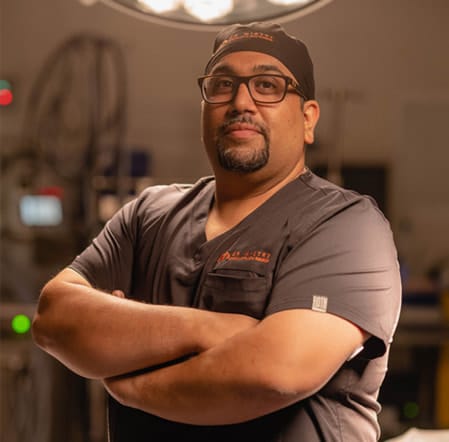
Dr Yezdi Mistry is a Specialist Plastic and Reconstructive Surgeon based in Newcastle, NSW. With extensive training and experience in both reconstructive and aesthetic surgery, Dr Mistry is committed to providing safe, evidence-based care that is tailored to each patient’s individual needs.
After completing his Fellowship of the Royal Australasian College of Surgeons (FRACS) in Plastic Surgery in 2013, Dr Mistry relocated to Newcastle with his family in 2015. He began his work as a Visiting Medical Officer (VMO) in Plastic and Hand Surgery at John Hunter Hospital before establishing his private practice in 2017. His practice offers a comprehensive range of reconstructive and aesthetic procedures for the breast, body, face, and skin.
Dr Mistry’s approach to patient care is grounded in trust, respect, and open communication. From initial consultation to recovery, he aims to ensure patients feel informed, supported, and comfortable throughout their surgical journey. He is dedicated to maintaining the highest professional and ethical standards in all aspects of his work.
To remain at the forefront of modern surgical techniques, Dr Mistry continues to pursue ongoing professional development both in Australia and internationally. He was Australia’s first delegate at the Body Contouring Academy in Paris, where he received advanced training in body contouring and skin-tightening techniques, including VASER and RENUVION technologies.
Fill in your details and our friendly team will be in touch with you
Please Note: Information provided on Dr Mistry’s website is provided as a basic guide, it does not constitute a diagnosis and should not be taken as medical advice. Any surgical or invasive procedure carries risks.



“I care because it’s my job as a surgeon, as a plastic surgeon, to do the appropriate thing and to give you a good outcome. I want to leave knowing that I can tell a patient, hand on heart, that I did the very best I could and that I looked after them, so when I see them post op later that day or the next morning, that they feel they were in good hands.”
– Dr Yezdi Mistry
Request a Consult
