- Closed as of Wednesday, 24th Dec 2025, re-opening Friday, 16th January 2026
- Request a Consultation for 2026

Dr Yezdi Mistry is a Specialist Plastic and Reconstructive Surgeon based in Charlestown, NSW, providing detailed assessment and carefully planned surgical care for individuals experiencing functional eyelid concerns. With experience across both reconstructive and aesthetic eyelid procedures, Dr Mistry focuses on understanding how excess eyelid skin or tissue may be affecting vision, comfort, or daily activities. He conducts a thorough examination of the eyelids and surrounding structures, explains treatment options in clear terms, and discusses the expected stages of care so patients can make well-informed decisions.
Blepharoplasty is a surgical procedure designed to address excess skin, muscle, or fat around the upper or lower eyelids. In some individuals, this may interfere with the visual field or contribute to eyelid heaviness or irritation. Dr Mistry tailors the approach to each patient’s anatomy to ensure the procedure addresses functional needs while maintaining the natural characteristics of the eye region.
Individuals with excess eyelid skin affecting their field of vision or causing discomfort may benefit from this procedure. Dr Mistry assesses eyelid structure, eye health, and overall medical suitability before recommending treatment.
When excess eyelid skin obstructs vision, functional correction may be appropriate. Assessment may include clinical examination and visual field testing to determine necessity.
Eyelid position, skin redundancy, muscle tone, and general medical health all contribute to suitability. Dr Mistry evaluates these factors to ensure the procedure is appropriate and safe.
Age is less important than overall health and eyelid anatomy. Dr Mistry reviews individual circumstances to help determine whether treatment is appropriate.
Some conditions, such as uncontrolled chronic illness or significant eye surface disease, may affect suitability. Dr Mistry may request further evaluation if needed.
Most individuals who use glasses or contact lenses can undergo blepharoplasty safely. Contact lens use may be paused temporarily during recovery.
Temporary blurriness may occur due to swelling or ointments. The procedure aims to address visual obstruction from excess skin rather than change eyesight.
Even when one eyelid appears more affected, both sides are assessed to achieve balanced functional outcomes. Dr Mistry discusses this during consultation.
Previous procedures do not automatically prevent blepharoplasty, but they may influence planning. Dr Mistry evaluates tissue quality and eyelid function carefully.
Yes, blepharoplasty is carried out for men and women experiencing functional eyelid concerns. Treatment is individualised to each person’s anatomy.
Patients are encouraged to share concerns related to vision, eyelid heaviness, and general health history. This helps Dr Mistry recommend an appropriate treatment approach.
A review of medications, supplements, and medical conditions is essential. Adjustments may be recommended to support safe treatment.
Some individuals may require blood tests or visual field assessments. These support clinical decision-making and ensure safe planning.
Smoking can affect healing and is best avoided before and after surgery. Dr Mistry provides guidance on appropriate timeframes.
Most patients take some days away from work while early swelling and bruising settle. Recommendations depend on the nature of your job.
Certain products may need to be paused to prevent irritation. Dr Mistry provides instructions tailored to each patient.
Someone should accompany you home after the procedure. Support during the first 24 hours is recommended.
Fasting may be necessary depending on the type of anaesthesia. Instructions are provided well in advance.
Some supplements may increase bleeding risk. Dr Mistry advises which items should be paused temporarily.
Organising a comfortable resting area and essential supplies can make postoperative care easier. Simple preparation supports a smoother recovery experience.
Risks may include bleeding, infection, or delayed healing. Dr Mistry discusses each risk carefully and outlines how they are minimised.
Swelling is common in the early phase and usually improves gradually. Instructions are provided to help manage this at home.
Bruising varies between individuals and settles over time. Dr Mistry explains typical timelines during consultation.
Natural anatomical differences can result in minor variations. Follow-up appointments help monitor healing and assess outcomes.
Temporary dryness may occur as swelling affects eyelid function. Lubricating drops may be recommended during recovery.
Incisions are placed within natural creases where possible. Scar appearance improves gradually as healing progresses.
Temporary changes in sensation may occur and usually settle as the tissue heals. Dr Mistry reviews progress during postoperative visits.
Temporary blurred vision may occur due to swelling or ointments. Persistent changes are uncommon, but any concerns should be reported promptly.
Outcomes can be long-standing, although natural ageing continues. Longevity varies depending on skin quality and individual factors.
Increasing pain, sudden swelling, or unexpected changes in vision should be assessed. Dr Mistry’s team provides instructions on when to contact the clinic.
Timing varies depending on whether upper eyelids, lower eyelids, or both are treated. Dr Mistry provides an estimated duration during consultation.
The procedure may be performed under local anaesthesia with sedation or general anaesthesia. The most suitable option is chosen based on individual needs.
Upper eyelid incisions are usually in the natural fold, while lower eyelid incisions may be below the lash line or inside the eyelid. Placement is based on clinical assessment.
Sutures are typically used to support healing and may be removed at a follow-up visit. Care instructions are provided for the incision sites.
Patients are monitored in recovery until stable for discharge. Initial instructions are provided before leaving the clinic or hospital.
Most individuals return home once they are medically cleared. A support person is required for transport.
The eyes are not usually fully covered, although small dressings may be applied. Some temporary blurred vision may occur due to ointment use.
Discomfort levels vary, and medication is provided if required. Dr Mistry explains what sensations to expect during early healing.
Careful tissue handling helps reduce swelling. Additional postoperative measures are provided to support this.
Changes appear early, but swelling can temporarily obscure the final result. Tissues continue to settle over several weeks.
Most swelling and bruising improve within one to two weeks. Healing continues for several months as tissues settle.
Activities that increase blood pressure or strain the eyes should be paused for a recommended period. Dr Mistry provides a tailored plan.
Many patients return to desk-based roles within a short timeframe, while physical work may require more time. Individual healing rates vary.
Keeping the area clean and following postoperative instructions supports healing. Ointments or drops may be recommended.
Makeup near the eyes is best avoided until incisions have healed adequately. Dr Mistry advises on appropriate timing.
Contact lenses are usually avoided for a period to prevent irritation. Guidance is provided at follow-up appointments.
Yes, follow-up allows Dr Mistry to assess healing, remove sutures if needed, and address any concerns. These appointments form a key part of postoperative care.
Temporary dryness or tearing may occur during recovery. Lubricating drops may be recommended to support comfort.
Elevation and cool compresses can assist, alongside following all postoperative instructions. Dr Mistry provides individualised advice.
Early improvement occurs quickly, but full settling of tissues can take several months. Dr Mistry monitors progress during scheduled reviews.
Blepharoplasty is performed to treat excess eyelid tissue that may affect function, including obstruction of the upper visual field or difficulty with eyelid positioning. Depending on the findings during consultation, the procedure may involve the upper eyelids, lower eyelids, or both. Incisions are typically placed in natural creases or discreet locations, allowing access to the underlying tissue while aiming for a well-integrated result as healing progresses.
During consultation, Dr Mistry reviews eyelid anatomy, eye health, and general medical suitability to determine whether blepharoplasty is an appropriate option. He explains how the procedure is performed, outlines expected timelines for recovery, and provides information on potential risks and limitations. This ensures patients are well prepared, understand the purpose of the surgery, and know what to expect throughout the treatment process.
Patients who wish to explore treatment for functional eyelid concerns can arrange a consultation with Dr Yezdi Mistry at his Charlestown practice. During this appointment, Dr Mistry carries out a detailed examination of the eyelids, reviews medical history, and discusses whether blepharoplasty may offer clinical benefit based on the individual’s circumstances. He provides clear information about the procedure, postoperative care, and the expected stages of healing.
This consultation also gives patients an opportunity to ask questions, clarify their expectations, and understand the factors that influence suitability and outcomes. Dr Mistry’s approach is centred on informed decision-making, ensuring that each patient receives guidance tailored to their needs. For those who choose to proceed, his team offers support through each stage of the surgical journey, from pre-operative planning to ongoing postoperative review.
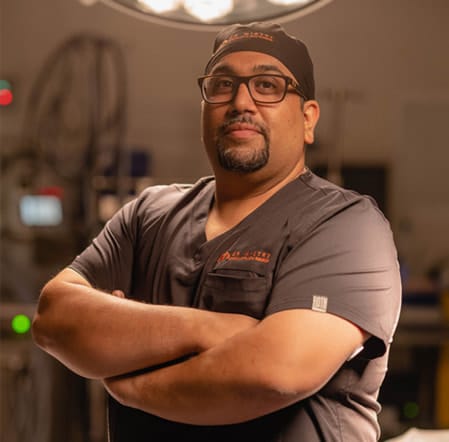
Dr Yezdi Mistry is a Specialist Plastic and Reconstructive Surgeon based in Newcastle, NSW. With extensive training and experience in both reconstructive and aesthetic surgery, Dr Mistry is committed to providing safe, evidence-based care that is tailored to each patient’s individual needs.
After completing his Fellowship of the Royal Australasian College of Surgeons (FRACS) in Plastic Surgery in 2013, Dr Mistry relocated to Newcastle with his family in 2015. He began his work as a Visiting Medical Officer (VMO) in Plastic and Hand Surgery at John Hunter Hospital before establishing his private practice in 2017. His practice offers a comprehensive range of reconstructive and aesthetic procedures for the breast, body, face, and skin.
Dr Mistry’s approach to patient care is grounded in trust, respect, and open communication. From initial consultation to recovery, he aims to ensure patients feel informed, supported, and comfortable throughout their surgical journey. He is dedicated to maintaining the highest professional and ethical standards in all aspects of his work.
To remain at the forefront of modern surgical techniques, Dr Mistry continues to pursue ongoing professional development both in Australia and internationally. He was Australia’s first delegate at the Body Contouring Academy in Paris, where he received advanced training in body contouring and skin-tightening techniques, including VASER and RENUVION technologies.
Fill in your details and our friendly team will be in touch with you
Please Note: Information provided on Dr Mistry’s website is provided as a basic guide, it does not constitute a diagnosis and should not be taken as medical advice. Any surgical or invasive procedure carries risks.



“I care because it’s my job as a surgeon, as a plastic surgeon, to do the appropriate thing and to give you a good outcome. I want to leave knowing that I can tell a patient, hand on heart, that I did the very best I could and that I looked after them, so when I see them post op later that day or the next morning, that they feel they were in good hands.”
– Dr Yezdi Mistry
Request a Consult
