
Dr Yezdi Mistry is a Specialist Plastic and Reconstructive Surgeon based in Charlestown, NSW, who provides a thoughtful and thoroughly assessed approach to procedures involving excess upper arm skin. Having completed his FRACS (Plastic Surgery) in 2013 and subsequently establishing his private practice in Newcastle, Dr Mistry continues to focus on precision, patient education, and evidence-based surgical pathways. His extensive training in Australia and internationally, including advanced body contouring training in Paris, allows him to tailor treatment plans to each individual’s anatomy and personal circumstances.
Brachioplasty, or arm reduction surgery, is a procedure designed to address redundant skin and soft tissue of the upper arm, often related to ageing or significant weight changes. During consultation, Dr Mistry provides detailed explanations on surgical planning, incision placement, and the recovery process, ensuring individuals understand both the benefits and limitations of the procedure. The decision to proceed is always based on medical suitability, anatomical findings, and an individual’s goals, with an emphasis on transparency and realistic expectations. Patients can expect a structured process from the initial meeting through to postoperative care at Dr Mistry’s Charlestown rooms.
Individuals may consider this procedure if they experience significant excess upper arm skin that does not change with weight stabilisation or exercise. A consultation with Dr Yezdi Mistry in Charlestown allows for an assessment of general health, medical history, and individual goals. Suitability is based on anatomical factors rather than cosmetic ideals.
Dr Mistry evaluates overall health, weight stability, skin quality, and any underlying medical conditions. Conditions such as uncontrolled diabetes or smoking may affect healing and require optimisation before surgery. This assessment ensures the procedure is considered only when medically appropriate.
Age itself is not a limiting factor; however, general health and the ability to undergo anaesthesia are important considerations. Older individuals may have different skin qualities that influence expected outcomes. Dr Mistry provides guidance tailored to each patient’s circumstances.
Previous surgical scars, liposuction, or trauma to the arm may influence surgical planning. During consultation, Dr Mistry will examine the area to understand tissue characteristics and healing history. These findings help determine whether the planned procedure is appropriate.
Yes, stable weight is essential to allow accurate planning and predictable results. Significant weight change after surgery may alter the appearance of the arms over time. Dr Mistry often recommends maintaining a steady weight for several months before proceeding.
In some cases, arm reduction may be performed in combination with other body contouring procedures, depending on general health and operative time considerations. Decisions are made carefully to prioritise safety. Dr Mistry will discuss whether combined surgery is appropriate for the individual.
Many individuals seek this procedure after significant weight reduction due to increased upper arm skin laxity. A thorough assessment ensures that weight has stabilised and nutritional status is adequate. These factors support safe planning and recovery.
Muscle tone does not determine candidacy but may influence aesthetic expectations. The procedure targets skin and soft tissue rather than muscle. Dr Mistry will explain what aspects can and cannot be addressed during surgery.
Implants or medical devices near the upper arm may require additional planning. Dr Mistry works collaboratively with other treating specialists when necessary to ensure safe surgical pathways. Suitability depends on the device location and medical requirements.
A detailed consultation includes a physical examination, discussion of expectations, and review of medical history. Dr Mistry provides clear explanations about what the procedure can achieve and the associated risks. This ensures individuals make informed and realistic decisions.
Medical history, medications, allergies, and previous procedures are reviewed in detail. Imaging or laboratory tests may be requested depending on health status. This comprehensive assessment supports safe surgical planning.
Certain medications, including blood thinners or supplements, may need to be paused or adjusted before surgery. Dr Mistry will provide personalised guidance based on the individual’s medical needs. Never cease medication without medical advice.
Smoking cessation and moderation of alcohol intake may be advised to support healing. Adequate nutrition and stable weight are also important. Dr Mistry offers clear instructions tailored to each patient.
Yes, assistance is recommended for the first few days after returning home. Limited arm mobility and the need for rest make support beneficial. Planning ahead helps ensure a smoother early recovery period.
For procedures performed under general anaesthesia, fasting is required to reduce anaesthetic risks. Hospital staff will provide exact instructions based on the scheduled time. It is important to follow these directions carefully.
Compression garments are often recommended to support the operated area during healing. Dr Mistry will advise on the type, fit, and duration of wear. These garments may help reduce swelling in the early postoperative period.
Strenuous upper-body exercise is generally avoided shortly before surgery to minimise tissue irritation. Light activity is usually acceptable unless otherwise advised. Dr Mistry will outline a suitable preoperative plan.
Standardised medical photographs are taken for clinical documentation and surgical planning. These images form part of the confidential medical record. They help Dr Mistry assess changes over time.
Timeframes vary depending on theatre availability and individual preparation needs. Some individuals may require medical optimisation before a date is confirmed. Early consultation helps ensure scheduling flexibility.
Yes, hospital staff typically provide admission instructions and confirm arrival times. They may also review fasting requirements or medication directions. This ensures the patient is well prepared on the day.
As with all surgery, risks may include bleeding, infection, delayed healing, and reactions to anaesthesia. Dr Mistry discusses these considerations during consultation to support informed decision-making. Individual health factors may influence risk levels.
Yes, scars are an inherent part of this procedure because excess skin must be removed. Scar length and placement are discussed beforehand, and techniques are used to optimise healing. Scars generally soften and change in appearance over time.
Temporary numbness along the upper arm is common due to the nature of the incisions. Sensation typically improves over months, although some residual changes may persist. Dr Mistry will discuss what is typical and what requires review.
Skin quality, healing capacity, scar maturation, and pre-existing anatomy all play a role. Weight stability is particularly important for long-term satisfaction. Dr Mistry provides guidance on realistic expectations.
Some degree of natural asymmetry exists in most individuals, and minor differences may persist after surgery. Dr Mistry aims for balanced outcomes while acknowledging anatomical variations. Any concerns can be discussed during follow-up appointments.
Initial changes are seen early, but swelling and scar maturation continue for several months. Full settling may take up to a year. Regular postoperative reviews help track progress.
In rare cases, issues such as delayed healing or fluid accumulation may require additional care. Early identification allows timely management. Dr Mistry provides detailed postoperative instructions to support early recognition.
Individuals who have experienced significant weight variation may have different skin properties, which can influence healing and scar formation. This is considered during planning. Dr Mistry personalises advice based on examination.
Natural ageing and weight fluctuations can influence the arms over time. The procedure does not halt these processes. Ongoing healthy habits help maintain results.
Yes, postoperative reviews allow Dr Mistry to monitor healing and address any concerns. These visits provide opportunities for guidance on scar care and activity progression. They form an essential part of the treatment pathway.
The procedure involves removing excess skin and reshaping the soft tissue of the upper arm. Incision placement is tailored to the individual’s anatomy and the amount of tissue to be addressed. The operation is carried out under anaesthesia in a fully accredited facility.
Duration varies depending on the complexity of the case and whether additional procedures are planned. On average, it may take several hours. Dr Mistry will provide an estimate based on your individual plan.
Incisions commonly run along the inner aspect of the upper arm, where they are less visible from everyday positions. The exact pattern is determined during planning. Dr Mistry explains these details during consultation.
In selected cases, liposuction may be used to refine contour before skin removal. This is assessed on a case-by-case basis to support an even tissue transition. Dr Mistry will advise whether this is appropriate.
The procedure is generally performed under general anaesthesia administered by a specialist anaesthetist. This ensures comfort throughout the surgery. Anaesthesia risks are discussed beforehand.
Meticulous surgical technique and specialised equipment are used to minimise blood loss. Dr Mistry monitors vascular structures carefully during the procedure. In some cases, drains may be placed temporarily.
Some individuals may be discharged on the same day, while others may require an overnight stay depending on their health and the extent of surgery. Dr Mistry will recommend the safest option. Hospital staff provide postoperative monitoring.
Dressings and sometimes a compression garment are applied immediately after surgery. These support the tissues and assist with early healing. Instructions on care are provided before discharge.
Yes, both arms are typically treated during one operation. This ensures symmetry and avoids the need for two separate surgeries. Dr Mistry discusses operative planning during consultation.
Hospital staff administer medication to keep discomfort at manageable levels. The anaesthetist and surgical team work together to create a personalised pain management plan. Clear instructions are provided for home use.
Swelling, tightness, and limited arm mobility are common in the initial postoperative period. Keeping the arms supported and following activity restrictions is important. Dr Mistry’s team provides detailed guidance.
Compression garments are typically worn for several weeks, depending on healing progress. They help control swelling and support the tissue. Dr Mistry will advise on duration based on reviews.
Light daily tasks may be resumed after a short period, but strenuous lifting and overhead movements should be avoided for several weeks. Gradual return to activity is essential to protect healing tissues. Dr Mistry will outline a personalised timeline.
Once the incisions have healed, scar care—such as silicone gel or taping—may be recommended. Sun protection is essential to prevent darkening. Techniques are discussed during postoperative reviews.
Yes, swelling is part of normal healing and may persist for several weeks. Elevation and compression can help manage this. Dr Mistry monitors progress during follow-up appointments.
Return to work depends on job demands and individual recovery. Many people resume non-physical work earlier than those with physically demanding roles. Dr Mistry will provide personalised advice.
Light mobility exercises may be introduced gradually to prevent stiffness. Timing varies for each person. Always follow instructions provided during reviews.
Increasing redness, fever, drainage, or significant pain should be reported immediately. Early communication allows prompt management. Dr Mistry’s rooms provide contact details for postoperative concerns.
Several reviews are scheduled in the weeks and months following surgery. These appointments allow assessment of healing, scar progression, and activity guidance. Attendance is important for optimal care.
Side-sleeping may be uncomfortable initially and is usually avoided for a short time. Using supportive pillows can help maintain a comfortable position. Dr Mistry will advise based on healing progress.
Arm reduction surgery aims to remove excess upper arm skin and contour the underlying tissue to create a more balanced arm shape relative to the individual’s body proportions. The procedure involves placing incisions along the inner arm, where the tissue is assessed, tightened, and reshaped. Dr Mistry tailors the surgical approach based on the degree of excess skin, tissue quality, and health considerations revealed during consultation. In some cases, liposuction may be incorporated to assist with tissue refinement prior to skin excision.
The surgery is performed in an accredited hospital under general anaesthesia with a qualified anaesthetist present throughout. Careful planning plays a major role, including assessing arm position, scar placement, and postoperative support garments. After surgery, the arms are dressed and supported to assist healing, and individuals return for regular follow-up visits at Dr Mistry’s practice in Charlestown to monitor progress. The procedure’s outcome is influenced by tissue behaviour, natural healing patterns, and adherence to postoperative instructions.
If you are considering arm reduction surgery, booking an in-person consultation with Dr Yezdi Mistry in Charlestown is the first step. This appointment allows for a detailed assessment of your medical history, physical examination, and discussion of your goals. Dr Mistry will explain the operative plan, anticipated healing time, scar expectations, and potential risks so you have a clear understanding of what the procedure involves. He also encourages individuals to ask questions and take time to consider the information provided before making any decisions.
Following your consultation, the team will assist you with preparation guidelines, hospital arrangements, and scheduling. You will receive tailored instructions on preoperative care, medication adjustments, and postoperative requirements. If you decide to proceed, a structured care pathway is provided from the time of booking through to your follow-up appointments. This approach ensures you remain informed and supported at each stage of the process.
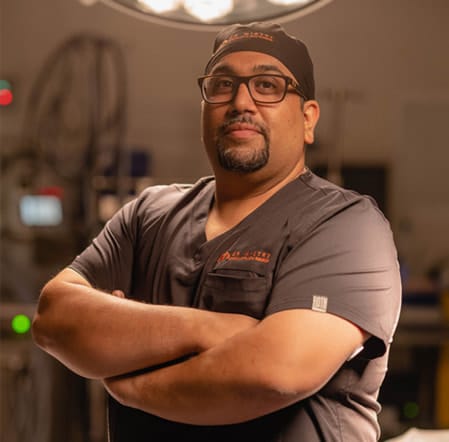
Dr Yezdi Mistry is a Specialist Plastic and Reconstructive Surgeon based in Newcastle, NSW. With extensive training and experience in both reconstructive and aesthetic surgery, Dr Mistry is committed to providing safe, evidence-based care that is tailored to each patient’s individual needs.
After completing his Fellowship of the Royal Australasian College of Surgeons (FRACS) in Plastic Surgery in 2013, Dr Mistry relocated to Newcastle with his family in 2015. He began his work as a Visiting Medical Officer (VMO) in Plastic and Hand Surgery at John Hunter Hospital before establishing his private practice in 2017. His practice offers a comprehensive range of reconstructive and aesthetic procedures for the breast, body, face, and skin.
Dr Mistry’s approach to patient care is grounded in trust, respect, and open communication. From initial consultation to recovery, he aims to ensure patients feel informed, supported, and comfortable throughout their surgical journey. He is dedicated to maintaining the highest professional and ethical standards in all aspects of his work.
To remain at the forefront of modern surgical techniques, Dr Mistry continues to pursue ongoing professional development both in Australia and internationally. He was Australia’s first delegate at the Body Contouring Academy in Paris, where he received advanced training in body contouring and skin-tightening techniques, including VASER and RENUVION technologies.
Fill in your details and our friendly team will be in touch with you
Please Note: Information provided on Dr Mistry’s website is provided as a basic guide, it does not constitute a diagnosis and should not be taken as medical advice. Any surgical or invasive procedure carries risks.



“I care because it’s my job as a surgeon, as a plastic surgeon, to do the appropriate thing and to give you a good outcome. I want to leave knowing that I can tell a patient, hand on heart, that I did the very best I could and that I looked after them, so when I see them post op later that day or the next morning, that they feel they were in good hands.”
– Dr Yezdi Mistry
Request a Consult
