
Breast Reduction is sought by people experiencing symptoms such as neck or shoulder strain, skin irritation beneath the breast fold, difficulty participating in certain activities, or challenges with posture.
These FAQs provide detailed, evidence-based answers to common questions to help individuals across Newcastle and the Hunter region understand preparation, safety, the surgical process, and recovery when considering breast reduction with Dr Mistry.
Dr Yezdi Mistry, Specialist Plastic and Reconstructive Surgeon (BHB, MBChB, FRACS Plastic Surgery), provides breast reduction surgery at his Charlestown practice for individuals experiencing physical discomfort or functional limitations related to large breasts. Since relocating to Newcastle in 2015 and establishing his practice in 2017, Dr Mistry has continued to deliver patient-centred care supported by extensive surgical training and hospital experience. Breast reduction surgery, also known as reduction mammaplasty, involves removing excess breast tissue, fat, and skin to achieve a breast size that is more proportionate for the individual.

Breast reduction involves removing excess breast tissue, fat, and skin to create a breast size that is more in balance with the patient’s body proportions. The technique varies depending on anatomy and goals, which Dr Mistry discusses during consultation.
Individuals experiencing physical discomfort, skin irritation, or limitations in daily activities related to breast size may consider this procedure. Suitability also depends on general health, breast development, and expectations.
Large breasts can contribute to postural strain and increased pressure on the neck, shoulders, and back. Over time, this may lead to persistent discomfort or reduced tolerance for certain activities.
Breast reduction is generally recommended when breast development has stabilised. Younger individuals may still be suitable but require discussion regarding potential changes related to pregnancy or natural ageing.
Conditions such as unmanaged medical issues, smoking, or unstable weight can affect healing and risk. A comprehensive assessment helps determine whether surgery is appropriate.
Reducing breast volume may help decrease friction and moisture that contribute to irritation beneath the fold. Individual results vary and depend on anatomy and lifestyle factors.
Stable weight supports predictable outcomes and long-term consistency. Significant weight changes after surgery may alter breast shape over time.
Breast reduction can be performed before pregnancy. Breast size and tissue characteristics may change during pregnancy, so this is discussed during consultation.
Some individuals can breastfeed after surgery, though this cannot be guaranteed. The selected surgical technique may influence this possibility.
A Specialist Plastic and Reconstructive Surgeon has completed accredited FRACS training and extensive surgical assessment. This ensures consistent standards in safety and surgical planning.
Dr Mistry reviews medical history, examines breast anatomy, and discusses symptoms and expectations. He explains the procedure and potential risks to help patients make informed decisions.
Blood tests, medical review, and breast imaging may be required depending on age and history. These assessments support safety and surgical planning.
Some medications and supplements may increase bleeding risks or interact with anaesthesia. Patients receive personalised instructions on what may need to be paused.
Breast imaging may be recommended based on clinical findings or age. This helps establish a baseline and identify any concerns before proceeding.
Smoking and vaping reduce oxygen delivery to tissues, which can affect wound healing. Patients are advised to stop well before surgery, and guidance is provided on timing.
Instructions may include fasting guidelines, medication adjustments, and preparing the home environment for recovery. Written details are provided for clarity.
Stable weight assists in predicting outcomes more reliably. Significant weight changes may influence long-term breast shape.
Most individuals benefit from help at home during the early recovery period. Time off work depends on the nature of one’s occupation.
Comfortable clothing, essential medications, and hospital paperwork are usually recommended. A front-opening top can assist after the procedure.
Setting up a rest area, organising frequently used items, and preparing meals can help ease the early recovery period. Reducing household demands may also be helpful.
Risks may include infection, bleeding, delayed wound healing, sensation changes, and asymmetry. Anaesthesia-related risks are also discussed during consultation.
Scars are expected but typically become less noticeable as they mature. Their appearance varies based on individual healing and the surgical technique used.
Temporary or, less commonly, persistent changes in sensation may occur due to tissue repositioning. Sensation outcomes vary between individuals.
Ageing and weight fluctuations can influence breast shape over time. Maintaining weight stability supports longer-term consistency.
Minor asymmetry is common in natural breasts and can remain after surgery. Dr Mistry aims for balance while acknowledging that complete symmetry is not possible.
Fat necrosis occurs when small areas of fat lose blood supply, forming firm nodules. These may soften over time but occasionally require monitoring.
During consultation, Dr Mistry outlines achievable outcomes based on anatomy and symptoms. This ensures patients have a clear understanding before deciding to proceed.
Many individuals report less neck, shoulder, and back strain following surgery. Improvements vary depending on initial symptoms and anatomy.
Follow-up imaging may be recommended as part of routine breast health. Requirements depend on age and personal history.
Redness, increasing pain, fever, or unusual discharge should be reported promptly. Early review allows appropriate management.
The procedure involves removing excess tissue, reshaping the breast, and repositioning the nipple-areola complex if required. Technique selection depends on anatomy and surgical goals.
Vertical and Wise-pattern techniques are commonly used depending on breast size and tissue characteristics. The method is selected during consultation.
Surgery generally takes around three to four hours, depending on complexity and tissue removal requirements. Additional time is spent in anaesthesia and recovery.
General anaesthesia is used and administered by a specialist anaesthetist. Continuous monitoring supports safety throughout the procedure.
The amount of tissue removed is guided by symptoms, body proportions, and breast composition. Dr Mistry develops an individualised plan for each patient.
The nipple-areola complex is typically preserved on a tissue pedicle and repositioned higher on the breast mound. This approach helps maintain blood supply and sensation.
Drains may be used to reduce fluid accumulation and are usually removed within the first few days. Their use depends on the surgical technique selected.
Most individuals stay overnight for monitoring and early postoperative support. The length of stay may vary depending on recovery progress.
Dr Mistry uses evidence-based methods, careful tissue handling, and comprehensive pre-operative assessment. Intraoperative monitoring further supports patient safety.
Support garments help manage swelling and provide stability during healing. Dr Mistry advises on the type and duration of wear.
Initial recovery spans several weeks while swelling and bruising gradually settle. Patients increase activity in stages based on individual progress.
Many individuals return to office-based work within a couple of weeks. The timing varies depending on one’s role and healing.
Light activity is often possible after several weeks, while more strenuous exercise is delayed until approved by Dr Mistry. This supports appropriate healing.
Dressings are changed during follow-ups, and garments should be worn as instructed. These measures support healing and comfort.
Some discomfort is expected and is managed with medication. Symptoms usually improve steadily in the early postoperative period.
Early reviews assess wound healing, dressing needs, and breast shape. Additional appointments are scheduled based on recovery.
Adequate rest, following dressing instructions, and avoiding upper-body strain can support healing. Maintaining hydration and nutrition is also beneficial.
Swelling is expected and gradually reduces over several weeks. Wearing support garments and following care instructions can help manage this.
Scars may take many months to mature. They typically soften and change appearance over time.
Final shape becomes clearer as swelling subsides and tissues relax, often over several months. Subtle changes may continue throughout the first year.
Breast reduction aims to address physical symptoms and functional limitations associated with larger breasts. The procedure involves removing excess tissue, reshaping the breast mound, and repositioning the nipple-areola complex as required. At his Charlestown practice, Dr Yezdi Mistry provides detailed assessment, evidence-based surgical planning, and supportive follow-up care for individuals considering breast reduction in Newcastle and the Hunter region. His patient-centred approach prioritises clear communication, individualised assessment, and a thorough understanding of expectations and potential risks.
Individuals considering breast reduction are welcome to contact Dr Yezdi Mistry’s Charlestown practice to arrange a consultation. During this appointment, Dr Mistry conducts a detailed medical and anatomical assessment, discusses symptoms and goals, and provides personalised information regarding suitability and procedural considerations. This process supports well-informed decision-making and helps individuals understand whether breast reduction may be appropriate for their needs.
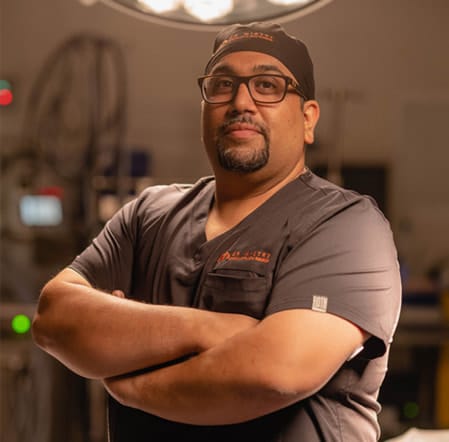
Dr Yezdi Mistry is a Specialist Plastic and Reconstructive Surgeon based in Newcastle, NSW. With extensive training and experience in both reconstructive and aesthetic surgery, Dr Mistry is committed to providing safe, evidence-based care that is tailored to each patient’s individual needs.
After completing his Fellowship of the Royal Australasian College of Surgeons (FRACS) in Plastic Surgery in 2013, Dr Mistry relocated to Newcastle with his family in 2015. He began his work as a Visiting Medical Officer (VMO) in Plastic and Hand Surgery at John Hunter Hospital before establishing his private practice in 2017. His practice offers a comprehensive range of reconstructive and aesthetic procedures for the breast, body, face, and skin.
Dr Mistry’s approach to patient care is grounded in trust, respect, and open communication. From initial consultation to recovery, he aims to ensure patients feel informed, supported, and comfortable throughout their surgical journey. He is dedicated to maintaining the highest professional and ethical standards in all aspects of his work.
To remain at the forefront of modern surgical techniques, Dr Mistry continues to pursue ongoing professional development both in Australia and internationally. He was Australia’s first delegate at the Body Contouring Academy in Paris, where he received advanced training in body contouring and skin-tightening techniques, including VASER and RENUVION technologies.
Fill in your details and our friendly team will be in touch with you
Please Note: Information provided on Dr Mistry’s website is provided as a basic guide, it does not constitute a diagnosis and should not be taken as medical advice. Any surgical or invasive procedure carries risks.



“I care because it’s my job as a surgeon, as a plastic surgeon, to do the appropriate thing and to give you a good outcome. I want to leave knowing that I can tell a patient, hand on heart, that I did the very best I could and that I looked after them, so when I see them post op later that day or the next morning, that they feel they were in good hands.”
– Dr Yezdi Mistry
Request a Consult
