
Breast augmentation surgery changes the shape and size of the breasts and can help many women feel more proportionate and confident. It is also surgery on the chest muscles and soft tissues, so your body needs time to heal before you return to full exercise and gym workouts.
A very common question after surgery is: When is it safe to go back to the gym?
This article gives general guidance about breast implants and exercise. It explains how healing works, outlines a staged timeline for returning to movement, and offers practical tips to help you protect your results. It is not a substitute for medical advice. Every person is different, and your own surgeon’s instructions should always come first.
Recovery is not only about how the breasts look on the outside. Under the skin, a lot is happening in the early weeks after surgery. Giving your body enough time and support to heal is one of the best ways to reduce the risk of problems.
Key reasons recovery is important:
Thinking of your recovery as an essential part of your treatment, rather than an interruption to your fitness routine, can make it easier to follow the guidelines and protect your long term results.

Every person heals at their own pace, and different surgeons may give slightly different advice. The type of implant, its position, and your general health all play a role.
The stages below are general guidance only. Your surgeon may ask you to move more slowly or more quickly based on how you are healing.
In the first week after surgery, the main focus is comfort, wound healing and reducing swelling.
By the second week, many patients feel more comfortable. Swelling and bruising often begin to reduce, although it may still be obvious.
During this phase:
If any movement causes sharp pain, visible swelling, a pulling sensation around the implants or incision sites, stop and discuss it with your surgeon or their team.
If your wounds are healing well and your surgeon is happy with your progress, you may be able to slowly increase your activity level between weeks 4 and 6.
At this stage, many surgeons allow:
During this stage, it is still important to:
If you notice more swelling or discomfort after exercise, it may be a sign that you need to reduce intensity, shorten your sessions, or take a step back for a few days.
Between 6 and 8 weeks, many patients begin to feel more like themselves and wish to return to more normal exercise. This stage needs a careful, step-by-step approach.
With your surgeon’s approval, you may be able to:
If your implants are placed under the muscle, your surgeon may be more cautious about chest exercises. The chest muscles contract directly over the implant, so heavy or sudden loads may place pressure on the healing pocket.
At this stage:
Around 8 weeks and beyond, some patients may be cleared to return to many or most of their usual activities, depending on their progress. Others may need a longer period of gradual return.
With medical clearance and no complications, you may be able to:
Even when you feel normal again, it is still helpful to:
Not everyone will follow exactly the same timeline. Many factors affect how quickly or slowly you can return to activity. These include:
Implants may be placed under the pectoral muscle, over the muscle, or in a dual plane position. When implants are under the muscle, the chest muscles are more involved in supporting the implant, and early heavy chest exercise may be more likely to disturb the pocket. This may mean a slower return to strong upper body work.
Different incision locations and pocket creation methods can influence how the tissues heal. Your surgeon can explain which movements are more likely to stress your particular incision and pocket, and for how long.
Age, body weight, smoking, pre-existing health conditions and nutrition can all affect healing rates. People who have been very active before surgery may also feel more impatient to return to their usual routines, and may need extra reminders to progress slowly.
Wearing your support bra as directed, caring for your wounds, avoiding heavy lifting and attending follow up appointments all contribute to a smoother recovery and safer return to exercise.
Some people heal quickly with little swelling or discomfort. Others take longer. It is important not to compare your progress with friends, social media stories or online forums. Your surgeon will guide you based on your own body and your own surgery.
Instead of thinking only about what you cannot do, it can help to focus on what you can safely do at each stage.
At all stages, a well fitted sports bra can help support the breasts and reduce movement during exercise.
It can be tempting to rush back to the gym, especially if fitness is an important part of your life. However, doing too much too soon may increase the risk of problems.
Possible risks include:
A careful approach, with a staged return to exercise, helps lower these risks and protect your investment in the surgery and your health.
The following general tips can support a smoother, safer transition back to your usual activities:
Most patients are encouraged to take short, gentle walks around the home within the first day or two after surgery. This helps circulation and reduces the risk of blood clots, without placing strain on the chest.
Going back to the physical gym building is less important than what you do there. Many patients can start light cardio such as walking on a treadmill around 4 to 6 weeks, depending on healing and surgeon advice. More intense workouts, weights and high impact exercise usually come later, from about 6 to 8 weeks or beyond, once your surgeon has checked your progress.
Gentle lower body strength training may be possible around 4 to 6 weeks, using light weights or body weight only. Upper body weights and chest exercises are usually delayed until at least 6 to 8 weeks, and often longer for implants under the muscle. Your surgeon will give you guidance based on your specific surgery.
Once you are fully healed and cleared by your surgeon, regular exercise is generally safe and beneficial for overall health. Wearing a supportive sports bra and progressing training sensibly can help reduce strain on the breasts. If you notice any sudden changes in shape, position or comfort, you should arrange a review.
Yes, it can. Implants under the muscle often need a more cautious approach to chest and upper body exercise, as the chest muscle lies over the implant. Implants above the muscle may allow a slightly faster return to some movements, but all exercise decisions should still be guided by your surgeon.
If you feel new or worsening pain, swelling, tightness or changes in the breast after exercise, stop that activity and seek advice from your surgeon or clinic. It may simply be a sign that you did too much, or it may be an early sign of a problem that needs review.
It is important to contact Dr Yezdi Mistry or your treating team promptly if you notice any of the following:
Early review allows your surgeon to assess the situation and advise whether simple rest and observation is enough, or whether further treatment is needed.
If you are planning breast augmentation and want to maintain an active lifestyle, it is helpful to discuss your exercise habits with your surgeon before surgery. You can talk about the types of activities you enjoy, how often you exercise, and what your goals are after surgery.
After your operation:
Focusing on safe, gradual progress rather than rushing back to full training can help you protect both your health and your surgical outcome. Dr Yezdi Mistry, Specialist Plastic Surgeon is the best person to guide you on the timing and type of exercise that is suitable for your individual situation.
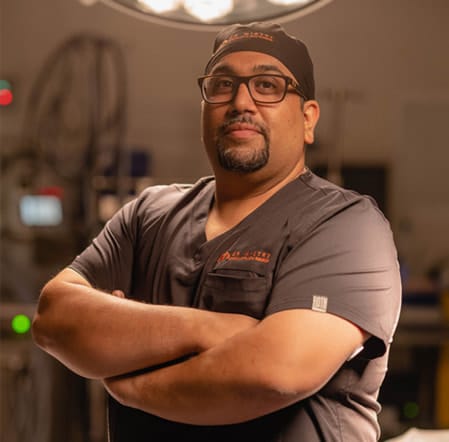
Dr Yezdi Mistry is a Specialist Plastic and Reconstructive Surgeon based in Newcastle, NSW. With extensive training and experience in both reconstructive and aesthetic surgery, Dr Mistry is committed to providing safe, evidence-based care that is tailored to each patient’s individual needs.
After completing his Fellowship of the Royal Australasian College of Surgeons (FRACS) in Plastic Surgery in 2013, Dr Mistry relocated to Newcastle with his family in 2015. He began his work as a Visiting Medical Officer (VMO) in Plastic and Hand Surgery at John Hunter Hospital before establishing his private practice in 2017. His practice offers a comprehensive range of reconstructive and aesthetic procedures for the breast, body, face, and skin.
Dr Mistry’s approach to patient care is grounded in trust, respect, and open communication. From initial consultation to recovery, he aims to ensure patients feel informed, supported, and comfortable throughout their surgical journey. He is dedicated to maintaining the highest professional and ethical standards in all aspects of his work.
To remain at the forefront of modern surgical techniques, Dr Mistry continues to pursue ongoing professional development both in Australia and internationally. He was Australia’s first delegate at the Body Contouring Academy in Paris, where he received advanced training in body contouring and skin-tightening techniques, including VASER and RENUVION technologies.
Fill in your details and our friendly team will be in touch with you
Please Note: Information provided on Dr Mistry’s website is provided as a basic guide, it does not constitute a diagnosis and should not be taken as medical advice. Any surgical or invasive procedure carries risks.



“I care because it’s my job as a surgeon, as a plastic surgeon, to do the appropriate thing and to give you a good outcome. I want to leave knowing that I can tell a patient, hand on heart, that I did the very best I could and that I looked after them, so when I see them post op later that day or the next morning, that they feel they were in good hands.”
– Dr Yezdi Mistry
Request a Consult
