
Dr Yezdi Mistry is a Specialist Plastic and Reconstructive Surgeon located in Charlestown, NSW, providing care for individuals across Newcastle. With training grounded in clinical best practice and extensive experience in body contour procedures, he offers a measured, patient-centred approach to surgical planning. Liposuction is a surgical method used to address localised fat deposits through small incisions, allowing targeted removal of fat in areas that have not changed with diet or exercise. During consultation, Dr Mistry discusses anatomical considerations, medical suitability, and expected variability in outcomes, helping patients make well-informed decisions based on evidence and their own goals.
The procedure is highly individualised, as each person’s body composition, skin characteristics, and medical history influence the approach. Dr Mistry takes the time to explain how various techniques may be used, including how different regions respond to treatment and what can reasonably be achieved. He offers balanced information on benefits and limitations, ensuring patients have a clear understanding of what the procedure involves from both a surgical and recovery perspective. This thorough, personalised planning process supports safer decision-making and contributes to a tailored treatment experience for adults considering liposuction in Newcastle, NSW.
Suitability depends on overall health, stable weight, and realistic expectations about what the procedure can achieve. Individuals considering liposuction with Dr Mistry in Charlestown undergo a thorough assessment to determine whether the procedure aligns with their goals. This includes reviewing medical history, medications, and lifestyle factors. The consultation helps determine whether liposuction is an appropriate option.
Liposuction is not designed for weight reduction and does not replace healthy lifestyle habits. Its purpose is to address targeted fat deposits in specific regions. Dr Mistry ensures individuals understand this distinction before making a decision. The procedure may be suitable for those who are close to their preferred weight range but have persistent areas that have not responded to other measures.
Safety assessment includes a full medical review, discussion of previous surgeries, and evaluation of current medications. Dr Mistry also considers factors such as smoking status and any underlying health conditions. Diagnostic tests may be recommended when necessary. This process helps minimise avoidable risks during surgery.
Yes, liposuction can be performed for adults of any gender when clinically appropriate. Men and women in the Charlestown and Newcastle region often seek treatment for different areas based on their individual concerns. Dr Mistry adapts his approach to suit each person’s anatomy and goals. Suitability is always determined during consultation.
Liposuction is typically offered to adults aged 18 and over. Older adults may also be suitable depending on general health and skin characteristics. Dr Mistry evaluates these factors carefully to ensure safe and appropriate planning. Each case is considered individually rather than based on age alone.
Some medical conditions may limit suitability, while others may require additional precautions. Dr Mistry reviews relevant conditions such as hypertension, diabetes, or cardiac concerns. Collaboration with a patient’s GP or specialist may be required to confirm readiness for surgery. The goal is to ensure that any decision prioritises safety.
Yes, weight stability is an important consideration because significant fluctuations can impact the outcome. Liposuction is best suited for individuals whose weight has remained relatively consistent for some time. Dr Mistry assesses BMI and body composition but does not use either metric alone to determine eligibility. A tailored plan is discussed during consultation.
It may be considered once weight and body changes have stabilised. Breastfeeding status and overall health will also guide timing. Dr Mistry discusses individual goals and ensures expectations are based on evidence. Timing recommendations are made carefully to support predictable outcomes.
Combination procedures may be considered in select circumstances if clinically justified. Factors such as surgical time, health status, and recovery requirements are reviewed closely. Dr Mistry explains whether combining treatments is appropriate for each individual. Patient safety guides all decisions.
Commonly treated areas include the abdomen, thighs, hips, back, arms, and submental region. Suitability for each area depends on fat distribution and skin characteristics. Dr Mistry provides an assessment to determine which regions may benefit from treatment. Individual anatomical variations guide the final plan.
The consultation includes a detailed medical history, physical assessment, and discussion about goals. Dr Mistry explains how liposuction works and what outcomes may be reasonable. Individuals are encouraged to ask questions and explore whether the procedure aligns with their expectations. Clinical photographs may be taken for planning.
Maintaining a balanced diet, regular physical activity, and stable weight helps support predictable results. Smoking cessation is strongly recommended prior to any surgical procedure due to its impact on healing. Dr Mistry may advise adjustments to certain behaviours to support a smoother postoperative course. These recommendations are tailored to each individual.
Some medications, such as blood thinners or certain supplements, may require temporary changes. Dr Mistry reviews all prescriptions and over-the-counter products during consultation. Patients receive clear guidance on what to continue, pause, or modify. Any adjustments must be made under medical supervision.
Blood tests or other diagnostic assessments may be ordered depending on medical history. These tests help ensure the safest possible conditions for surgery. Dr Mistry discusses which tests are relevant and why they are necessary. Results are reviewed before confirming the surgical plan.
Yes, maintaining a consistent weight supports more predictable outcomes. Significant changes beforehand may influence the final result and surgical planning. Dr Mistry encourages individuals to reach a stable point before proceeding. Weight fluctuations after surgery can also affect longevity of results.
Patients receive clear, personalised preoperative instructions. These may include fasting guidelines, skin preparation, and medication adjustments. Dr Mistry’s team provides written details to assist with preparation. Following these instructions closely supports a smoother experience.
For procedures performed under general anaesthesia, fasting is typically required. The exact duration will be explained during the preoperative appointment. Adhering to these requirements is essential for safety. Dr Mistry ensures all patients understand the reasoning behind these guidelines.
Yes, an adult support person is required to assist after discharge. This person helps with transport and early postoperative needs. Dr Mistry’s team provides guidance on what assistance may be required. Planning ahead helps reduce stress on the day of surgery.
Some supplements may interfere with bleeding, anaesthesia, or wound healing. Dr Mistry reviews all supplements during consultation to determine if changes are required. Patients are encouraged to bring a full list of products they take. This helps reduce avoidable risks.
Timing depends on availability, recovery considerations, and personal commitments. Many patients schedule several weeks or months ahead. Dr Mistry helps individuals choose a date that allows for adequate preparation and recovery planning. Flexibility can support a more comfortable experience.
All surgical procedures involve risks such as bleeding, infection, contour changes, or delayed healing. The likelihood depends on individual factors and procedural extent. Dr Mistry explains these risks in detail so patients can make informed decisions. Risk-mitigation strategies are incorporated into every surgical plan.
Outcomes depend on anatomy, fat distribution, and skin characteristics. While many individuals achieve a noticeable change in the treated area, variations occur based on healing responses. Dr Mistry provides realistic guidance based on clinical assessment. Understanding these variables supports informed expectations.
Yes, natural ageing, weight fluctuations, and lifestyle habits can influence longevity. Liposuction removes fat cells permanently from treated areas, but remaining cells can still change with weight variation. Dr Mistry discusses how long-term habits can affect stability. Regular follow-up may be recommended.
Minor asymmetry can occur due to natural anatomical variations or healing responses. Dr Mistry assesses these possibilities beforehand and plans the procedure carefully. Postoperative care instructions also help support balanced healing. Any concerns can be reviewed during follow-up appointments.
Complication rates vary based on individual health, procedural extent, and adherence to postoperative care. Dr Mistry aims to minimise risk through thorough planning and evidence-based techniques. Patients receive detailed instructions to support safe recovery. Prompt communication is encouraged if concerns arise.
Skin elasticity, age, weight stability, and overall health all play a role. The amount of fat removed and specific treatment areas also affect the final appearance. Dr Mistry evaluates these variables during consultation to provide tailored insight. Each patient’s anatomy guides surgical decision-making.
Liposuction involves small incisions that typically result in fine scars. Their appearance depends on individual healing characteristics and postoperative care. Dr Mistry places incisions strategically to minimise visibility where possible. Scar care instructions are provided to support optimal healing.
Variations in healing or underlying fat distribution can lead to surface irregularities. Dr Mistry uses precise techniques to reduce this possibility. Patients receive postoperative guidance to support consistent healing. Any concerns are reviewed during follow-up.
Temporary numbness in treated areas can occur and often improves as healing progresses. In some cases, changes may persist longer. Dr Mistry explains what to expect based on the regions treated. Most individuals notice gradual improvement over several months.
Initial changes may be visible once swelling begins to settle. More definitive assessment usually occurs several months after surgery. Dr Mistry reviews progress during scheduled visits. Patience during the healing period is important for accurate evaluation.
Small incisions are made in discreet locations to allow insertion of a cannula, which removes fat from targeted areas. The technique varies depending on the regions treated and the planned extent. Anaesthesia options are discussed beforehand. Dr Mistry follows a structured plan based on each patient’s anatomy.
Duration depends on the number of areas treated and the complexity of the plan. Some procedures may take one to two hours, while more extensive treatment requires additional time. Dr Mistry provides an estimated duration during preoperative discussions. Operating time may vary slightly depending on individual factors.
Liposuction may be performed under general anaesthesia or, in select cases, under sedation with local anaesthetic. The most appropriate option is determined based on safety, comfort, and procedural extent. An experienced anaesthetist oversees all aspects of anaesthesia. Dr Mistry explains these choices in detail.
Preoperative markings guide the surgical plan and help ensure precision. These markings are completed while standing to accurately assess contours. Dr Mistry reviews the plan with patients before entering the operating theatre. This collaborative step supports clear expectations.
Patients are monitored in the recovery area as they wake from anaesthesia. Nursing staff assess comfort, observations, and readiness for discharge. Compression garments are usually applied at this stage. Dr Mistry reviews postoperative instructions before the patient leaves.
Drains are rarely required but may be used in selected circumstances. Their purpose is to remove excess fluid during early healing. Dr Mistry will inform patients beforehand if drains are anticipated. Removal typically occurs within a short timeframe when used.
Compression garments help manage swelling and support treated areas during healing. Patients are advised on how long to wear them and how to manage garment care. Dr Mistry tailors recommendations based on procedural extent. Proper use contributes to smoother recovery.
Discomfort is common in the early phase and varies between individuals. Dr Mistry prescribes analgesia to assist with symptom management. Most patients describe a firm or tender sensation in the treated areas. Symptoms generally improve steadily over the following days.
Most individuals are discharged on the same day once medically stable. A support person must accompany them home. Dr Mistry’s team provides contact instructions for postoperative concerns. Early rest is encouraged.
Patients receive written and verbal postoperative guidelines covering wound care, medications, mobility, and follow-up. Dr Mistry explains what to expect over the first few days. Having clear instructions helps individuals prepare for the normal stages of recovery. Support is available if questions arise.
Most individuals experience improvement in swelling and discomfort over the first one to two weeks. Light activities can often resume shortly after surgery, depending on personal comfort. Dr Mistry provides tailored advice based on the extent of treatment. Full activity is resumed gradually.
Timing depends on the physical demands of the job and the number of areas treated. Many people return to office-based work within several days to a week. More strenuous roles may require additional time. Dr Mistry offers personalised recommendations.
Swelling is expected and may take several weeks to settle. Some areas can take longer due to individual healing responses. Dr Mistry explains how garments and aftercare support this process. Follow-up visits help track progress.
Yes, scheduled reviews allow Dr Mistry to assess healing and address any concerns. These appointments also help monitor outcomes as swelling reduces. Patients may require several follow-ups depending on the procedure. Ongoing communication is encouraged.
Light walking is recommended early to support circulation. More vigorous exercise is usually delayed for several weeks depending on comfort and surgical guidance. Dr Mistry discusses appropriate timing during follow-up appointments. Gradual progression is advised.
Firmness, mild unevenness, or temporary numbness can occur as tissues settle. These sensations typically improve with time. Dr Mistry explains what is expected and what may warrant review. Regular follow-up helps ensure healing progresses appropriately.
Instructions are provided for incision care once the wounds have closed. Sun protection and appropriate topical care may be recommended. Dr Mistry discusses options based on individual healing characteristics. Long-term scar maturation continues for several months.
Bruising is common and varies by individual and treatment area. Most bruising improves significantly within one to two weeks. Dr Mistry provides guidance on what is typical and what may need review. Bruising patterns differ from person to person.
Yes, significant weight gain or loss can alter the appearance of treated areas over time. Maintaining stable habits helps preserve results. Dr Mistry discusses how lifestyle factors interact with long-term outcomes. Regular activity and balanced nutrition are encouraged.
Results are generally reviewed at several months when swelling has settled. Some subtle changes may continue as tissues soften. Dr Mistry evaluates progress at follow-up appointments to ensure expectations are met. Patience during the healing phase is important.
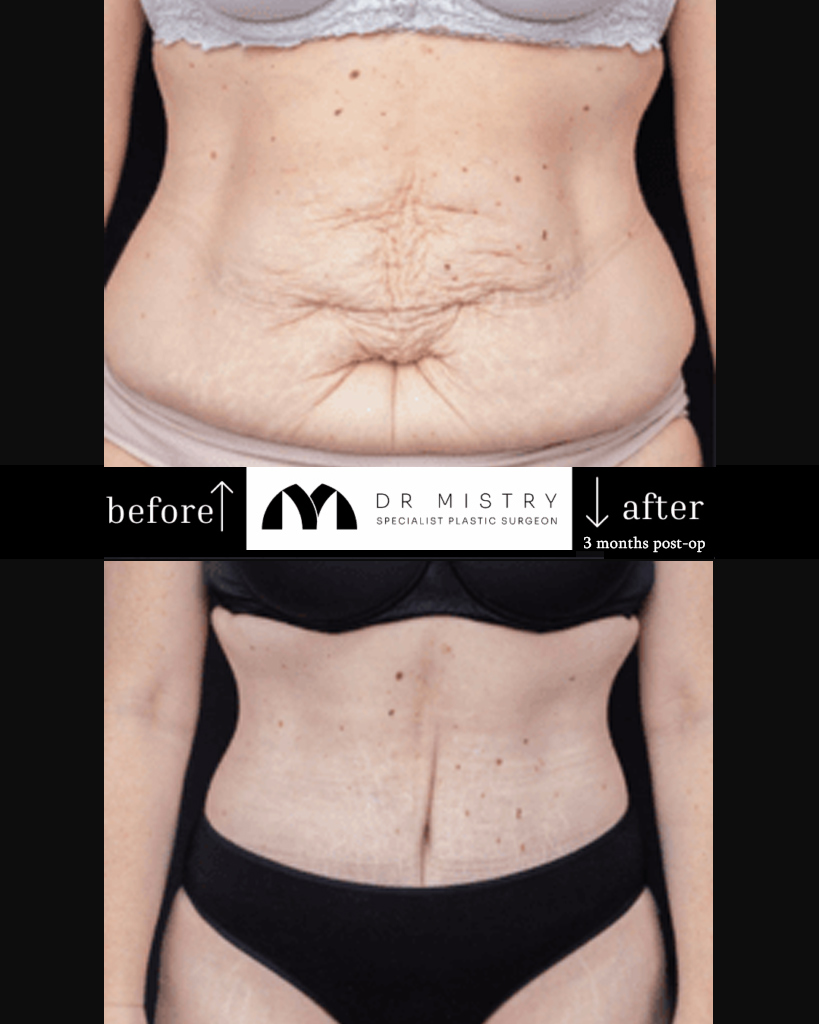
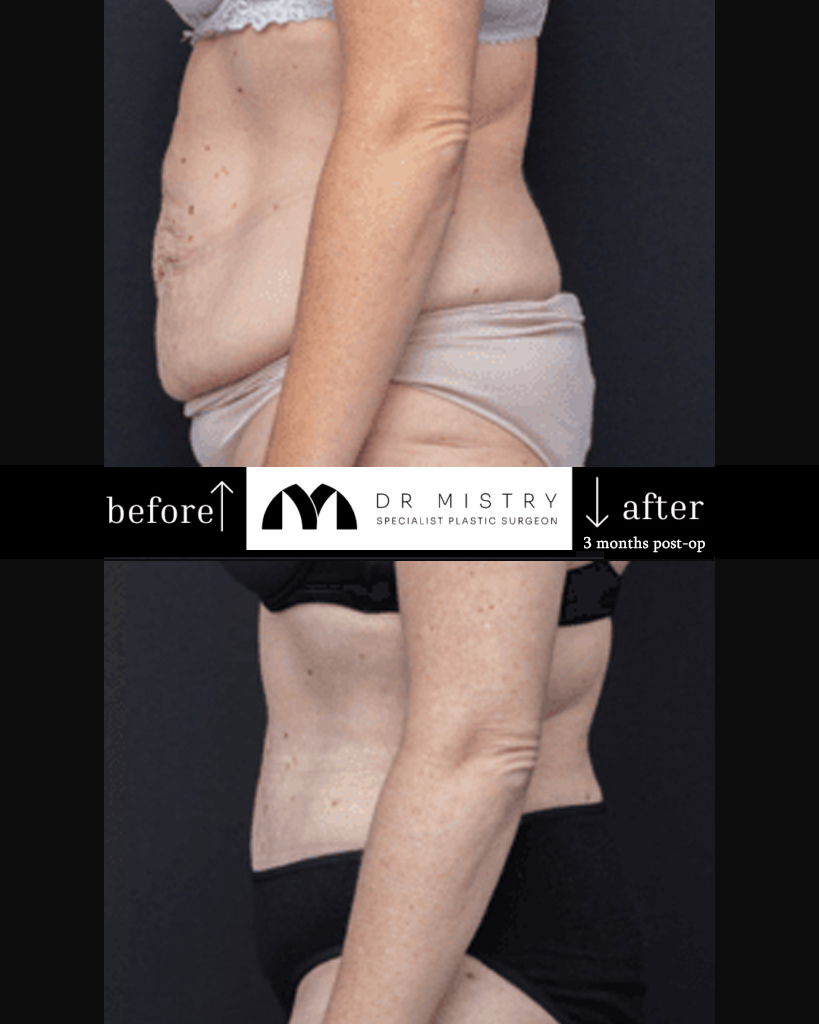
Liposuction is a surgical technique designed to remove localised fat deposits using a cannula inserted through small incisions, allowing access to targeted areas beneath the skin. It is intended for individuals who have persistent regions of fat that have not changed despite consistent healthy habits. The procedure can be performed on several body areas, depending on the person’s anatomy and goals, which are thoroughly assessed during consultation. Dr Yezdi Mistry offers this procedure to men and women in Newcastle, NSW, using a structured, evidence-based approach to treatment planning.
The decision to proceed with liposuction involves an understanding of expected outcomes, the role of recovery, and the various factors that influence long-term results. Dr Mistry takes time to explain how skin elasticity, lifestyle, and weight stability may affect the final appearance, ensuring patients have realistic expectations. His practice emphasises safety, careful assessment, and transparent communication, allowing each patient to explore whether liposuction aligns with their needs. Every treatment plan is shaped by individual anatomy and clinical suitability rather than a one-size-fits-all approach.
Individuals considering liposuction with Dr Yezdi Mistry can begin by arranging a consultation at his Charlestown practice. This appointment includes a detailed medical assessment, discussion of surgical goals, and review of available treatment options. Dr Mistry provides clear, unbiased information to ensure every patient understands what the procedure involves, the expected stages of recovery, and the variability in individual outcomes. This helps patients make informed decisions based on evidence and their own priorities.
If liposuction is deemed suitable, the next phase involves scheduling, preoperative planning, and preparation for surgery. Patients receive comprehensive guidance regarding tests, medication adjustments, and practical arrangements needed before the procedure. Dr Mistry and his team support individuals through each step, from initial consideration through to postoperative care, ensuring that all decisions prioritise safety and clarity. Those wishing to explore the procedure further are encouraged to book a consultation to discuss their personal circumstances in detail.
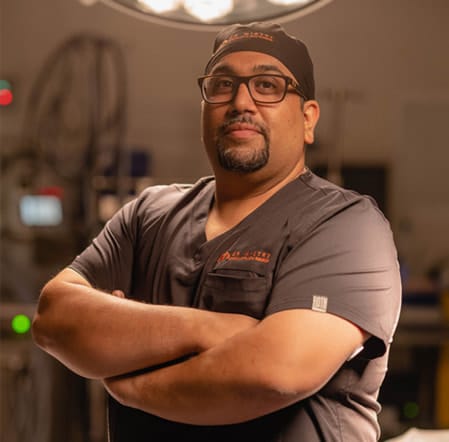
Dr Yezdi Mistry is a Specialist Plastic and Reconstructive Surgeon based in Newcastle, NSW. With extensive training and experience in both reconstructive and aesthetic surgery, Dr Mistry is committed to providing safe, evidence-based care that is tailored to each patient’s individual needs.
After completing his Fellowship of the Royal Australasian College of Surgeons (FRACS) in Plastic Surgery in 2013, Dr Mistry relocated to Newcastle with his family in 2015. He began his work as a Visiting Medical Officer (VMO) in Plastic and Hand Surgery at John Hunter Hospital before establishing his private practice in 2017. His practice offers a comprehensive range of reconstructive and aesthetic procedures for the breast, body, face, and skin.
Dr Mistry’s approach to patient care is grounded in trust, respect, and open communication. From initial consultation to recovery, he aims to ensure patients feel informed, supported, and comfortable throughout their surgical journey. He is dedicated to maintaining the highest professional and ethical standards in all aspects of his work.
To remain at the forefront of modern surgical techniques, Dr Mistry continues to pursue ongoing professional development both in Australia and internationally. He was Australia’s first delegate at the Body Contouring Academy in Paris, where he received advanced training in body contouring and skin-tightening techniques, including VASER and RENUVION technologies.
Fill in your details and our friendly team will be in touch with you
Please Note: Information provided on Dr Mistry’s website is provided as a basic guide, it does not constitute a diagnosis and should not be taken as medical advice. Any surgical or invasive procedure carries risks.



“I care because it’s my job as a surgeon, as a plastic surgeon, to do the appropriate thing and to give you a good outcome. I want to leave knowing that I can tell a patient, hand on heart, that I did the very best I could and that I looked after them, so when I see them post op later that day or the next morning, that they feel they were in good hands.”
– Dr Yezdi Mistry
Request a Consult
