
Otoplasty, sometimes referred to as ear surgery, is a procedure designed to adjust the position or shape of the ears for individuals who feel their ears sit further forward than they would like or have natural asymmetry. The procedure focuses on carefully reshaping or repositioning cartilage to create ear contours that align more closely with the patient’s preferences while respecting their natural anatomy. It is commonly considered by both adults and children once ear growth has stabilised.
Dr Yezdi Mistry, Specialist Plastic and Reconstructive Surgeon based in Charlestown, NSW, has extensive experience in ear surgery and provides thorough, individualised assessments for patients throughout Newcastle and the surrounding region. After gaining his FRACS (Plastic Surgery), he established his private practice in 2017 and continues to maintain a strong commitment to ongoing surgical education and responsible patient care. His approach to otoplasty includes detailed discussions about anatomy, suitability, and realistic outcomes, ensuring each patient understands the procedure and its considerations before making an informed decision.
Dr Mistry’s consultations prioritise patient-focused communication, allowing individuals and families time to ask questions and understand what the surgery involves. With a background in both reconstructive and aesthetic plastic surgery, he draws on comprehensive training and clinical experience to recommend evidence-based treatment options. His practice provides a supportive environment where decisions are guided by safety, clarity and individual needs.
Dr Mistry will assess your ear shape, medical history and goals to determine whether otoplasty is suitable for you. He explains the available techniques and outlines what you can expect before and after surgery. This discussion allows you to understand the procedure clearly and ask any questions.
Some patients may require routine health checks or blood tests depending on age and medical background. These help confirm that you are medically prepared for surgery. Dr Mistry will advise you on any tests needed well in advance.
Some medications and supplements may affect bleeding or healing, and Dr Mistry will discuss any temporary adjustments required. It’s important not to make changes without guidance. You will receive clear written instructions so you can prepare safely.
Healthy habits such as balanced nutrition and avoiding nicotine can support the healing process. Dr Mistry may recommend specific adjustments based on your health and lifestyle. These preparations help create the best environment for recovery.
It may be helpful to arrange transport, prepare a comfortable resting area and have essential items within reach. These small preparations can make the first few days at home easier. Dr Mistry’s team will outline what you may find useful ahead of time.
Yes, you will be given precise fasting instructions prior to surgery. These guidelines help ensure the anaesthetic process is carried out safely. It is important to follow the directions exactly as provided.
You may be advised to avoid alcohol for a short period before the procedure, as it can influence bleeding and hydration. Dr Mistry will provide guidance tailored to your medical history. Following these directions helps support a well-planned surgical experience.
Yes, you will meet the anaesthetist before or on the day of surgery. They review your health information and discuss the anaesthetic plan. This ensures that any concerns can be addressed early.
Most people require a short period away from work or study depending on their daily tasks. Activities that place pressure on the ears may require additional caution. Dr Mistry will provide a timeframe based on your individual situation.
Yes, detailed written instructions will be provided to guide you through the preparation process. These include fasting, medication adjustments and what to expect on the day. You can contact the clinic with any further questions.
All surgical procedures carry risks, which Dr Mistry will explain thoroughly during your consultation. These include possible bleeding, infection or changes in sensation. He will discuss how these may apply to you individually and outline measures to reduce risk.
Minor natural differences between ears are common and may remain after surgery. While the goal is address balance, complete symmetry is not guaranteed. Dr Mistry provides clear guidance on what is achievable based on your anatomy.
Temporary changes in sensation can occur as the nerves settle during healing. These usually improve gradually over time. Dr Mistry will discuss what is typical and when to seek review.
Otoplasty results are generally stable, though slight changes may occur as tissues settle. Individual cartilage flexibility and healing patterns can influence this. Dr Mistry will explain what is expected for your situation.
Infection is uncommon but possible. You will receive instructions on wound care to help reduce this risk. Any concerning symptoms can be reviewed early by contacting the Charlestown practice.
Some movement may occur if the cartilage shifts during healing. Following aftercare instructions, including wearing supportive dressings or headbands, helps reduce this risk. Dr Mistry monitors your progress during follow-up appointments.
Predictability varies depending on ear cartilage, skin tension and healing patterns. Dr Mistry provides an honest assessment of what can reasonably be achieved. This supports clear expectations before proceeding.
Scars are usually placed behind the ear where they are less noticeable. They typically soften and fade over time. Dr Mistry will advise on scar care to encourage optimal healing.
Otoplasty focuses on the external ear and does not alter hearing structures. It is not designed to change hearing ability. Any concerns about hearing should be discussed with your GP or audiologist.
Most patients do not require additional surgery, but refinement may occasionally be considered. This depends on healing changes or specific concerns that arise later. Dr Mistry will discuss options if needed.
Otoplasty typically involves reshaping or repositioning cartilage through small incisions behind the ear. The technique is chosen based on the individual’s anatomy. Dr Mistry explains the recommended approach during consultation.
The procedure usually takes around one to two hours, depending on whether one or both ears are treated. Factors such as cartilage shape and the complexity of the concern can influence timing. A personalised estimate is provided before surgery.
Otoplasty can be performed under general anaesthetic or local anaesthetic with sedation. The choice depends on age, comfort and the extent of treatment. Dr Mistry and the anaesthetist determine the most suitable option for you.
Yes, most patients return home on the same day. You will need someone to accompany you and provide support during the first period after surgery. Clear aftercare instructions are provided before discharge.
Internal stitches are often placed to support the new cartilage position, and external stitches may also be used. Dr Mistry will let you know which stitches require removal. Internal stitches may remain long term.
Yes, a dressing or headband is usually applied to maintain the ears’ new position. Dr Mistry will explain how long this needs to stay in place. Its purpose is to protect the area during early healing.
Early changes are visible, but swelling and dressings can temporarily obscure the final appearance. The outcome develops gradually as tissues settle. Dr Mistry will guide you on what to expect over time.
Anaesthesia ensures you remain comfortable throughout surgery. Some temporary discomfort afterward is normal. You will be given instructions on appropriate pain management.
In many cases, cartilage is reshaped rather than removed. The chosen technique depends on your anatomy and specific concerns. Dr Mistry will outline the method best suited to your needs.
Both ears are often treated to support balance, even if one appears more prominent. Dr Mistry will assess this during your consultation. Recommendations are guided by anatomy and the degree of asymmetry.
You may experience swelling and a sensation of tightness around the ears. A dressing or headband is usually in place to provide support. Dr Mistry provides instructions to help manage these early changes.
Most people resume light daily activities after several days. Activities that place pressure on the ears should be delayed. Dr Mistry will provide guidance based on your work or study requirements.
Swelling is most noticeable in the first week and gradually improves over the following weeks. Full settling can take longer as tissues adjust. Dr Mistry monitors your progress during follow-up visits.
A headband is commonly recommended to protect the ears and support their position. It may be worn full-time initially and later only at night. Dr Mistry will advise on the duration based on your healing.
Activities that risk impact to the ears, such as contact sports or sleeping on your side, should be avoided early in recovery. You will receive clear instructions on when these can resume. Careful adherence helps support stable healing.
You will be given instructions on keeping the area clean and managing any dressings. Showering and wound care guidelines will be explained in detail. Follow-up visits allow Dr Mistry to assess healing.
Although early results appear once dressings are removed, the final outcome develops gradually as swelling subsides. This process can take several weeks to months. Dr Mistry will outline what is typical for your situation.
Light walking is usually acceptable soon after surgery, but strenuous exercise should be delayed. Activities that risk sweating or bumping the ears require caution. A personalised timeline will be provided.
If you notice increased redness, unexpected swelling or concerning discharge, you should contact the Charlestown practice promptly. Early review ensures any issues are addressed appropriately. Dr Mistry’s team remains available to support you through recovery.
Yes, follow-up appointments are important to assess healing and ensure the ears are settling as expected. Dr Mistry will review your progress and adjust aftercare recommendations if needed. These visits help maintain close supervision throughout recovery.
Otoplasty, or ear surgery, is a procedure designed to adjust the position or shape of the external ear for people who have concerns about prominence or asymmetry. The aim is to reshape or reposition the ear cartilage so the ears sit in a way that aligns more closely with the patient’s preferences while still fitting with their overall facial features. It can be considered by adults and by children once ear growth has largely stabilised.
Before any procedure, Dr Yezdi Mistry conducts a thorough consultation at his Charlestown practice, assessing the ear structure from different angles and reviewing medical history. He will discuss your reasons for considering ear surgery, any previous injuries, and what changes you hope to see. Photographs may be taken to help plan the procedure and guide discussion about realistic outcomes.
On the day of surgery, otoplasty is usually performed under either general anaesthetic or local anaesthetic with sedation, depending on age, health and the extent of treatment required. Small incisions are typically placed behind the ear, allowing the cartilage to be reshaped, repositioned, or secured with internal stitches. The goal is to create balanced ear contours without drawing unnecessary attention to the ears.
Once the cartilage has been adjusted, the incisions are closed and a dressing or headband is applied to support the new position. Most patients return home on the same day with detailed written aftercare instructions. Swelling, mild discomfort and a feeling of tightness around the ears are common in the early stages and are usually managed with prescribed or recommended pain relief and careful wound care.
Over the following weeks, swelling gradually settles and the final ear position becomes clearer. Follow-up appointments with Dr Mistry in Charlestown allow ongoing monitoring of healing, review of any concerns and discussion of how the ears are settling. While improved balance and reduced prominence are often achieved, Dr Mistry emphasises that individual healing patterns vary and that absolute symmetry cannot be guaranteed.
If you are thinking about otoplasty, the first step is to arrange a consultation with Dr Yezdi Mistry at his Charlestown practice, which serves patients from across Newcastle and the Hunter region. This initial appointment is an opportunity to discuss your concerns in detail, whether they relate to long-standing ear prominence, asymmetry, or changes following previous injury. It is also a chance to learn about the procedure, timing and aftercare in a structured, supportive setting.
During your consultation, Dr Mistry will examine your ears, review your health history and ask about your goals for treatment. He will explain the procedure in straightforward terms, outline the potential risks and limitations, and discuss what outcomes are realistic for your anatomy. You are encouraged to ask questions and take time to consider the information before deciding whether to proceed.
If you choose to move forward, Dr Mistry’s team will guide you through the next steps, including scheduling, pre-operative instructions and any recommended health checks. You will receive written information on how to prepare, what to organise at home and what to expect in the early recovery period. The practice remains available to clarify any questions that arise between your consultation and the day of surgery.
For patients and families who are still deciding, it can be helpful to reflect on the information provided at the consultation and, if appropriate, discuss it with a trusted family member or GP. Dr Mistry’s approach is centred on informed, carefully considered decisions rather than rushed choices. When you are ready, his Charlestown team can assist you in planning ear surgery in a way that aligns with your health, personal circumstances and preferences.
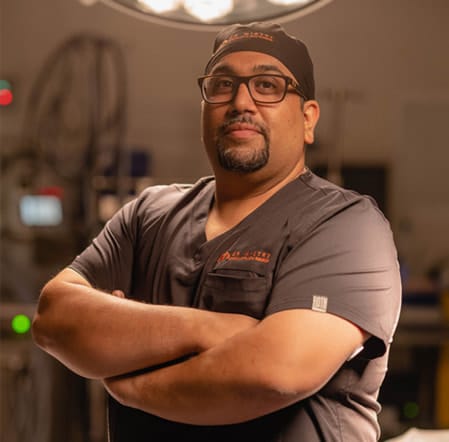
Dr Yezdi Mistry is a Specialist Plastic and Reconstructive Surgeon based in Newcastle, NSW. With extensive training and experience in both reconstructive and aesthetic surgery, Dr Mistry is committed to providing safe, evidence-based care that is tailored to each patient’s individual needs.
After completing his Fellowship of the Royal Australasian College of Surgeons (FRACS) in Plastic Surgery in 2013, Dr Mistry relocated to Newcastle with his family in 2015. He began his work as a Visiting Medical Officer (VMO) in Plastic and Hand Surgery at John Hunter Hospital before establishing his private practice in 2017. His practice offers a comprehensive range of reconstructive and aesthetic procedures for the breast, body, face, and skin.
Dr Mistry’s approach to patient care is grounded in trust, respect, and open communication. From initial consultation to recovery, he aims to ensure patients feel informed, supported, and comfortable throughout their surgical journey. He is dedicated to maintaining the highest professional and ethical standards in all aspects of his work.
To remain at the forefront of modern surgical techniques, Dr Mistry continues to pursue ongoing professional development both in Australia and internationally. He was Australia’s first delegate at the Body Contouring Academy in Paris, where he received advanced training in body contouring and skin-tightening techniques, including VASER and RENUVION technologies.
Fill in your details and our friendly team will be in touch with you
Please Note: Information provided on Dr Mistry’s website is provided as a basic guide, it does not constitute a diagnosis and should not be taken as medical advice. Any surgical or invasive procedure carries risks.



“I care because it’s my job as a surgeon, as a plastic surgeon, to do the appropriate thing and to give you a good outcome. I want to leave knowing that I can tell a patient, hand on heart, that I did the very best I could and that I looked after them, so when I see them post op later that day or the next morning, that they feel they were in good hands.”
– Dr Yezdi Mistry
Request a Consult
