- Closed as of Wednesday, 24th Dec 2025, re-opening Friday, 16th January 2026
- Request a Consultation for 2026
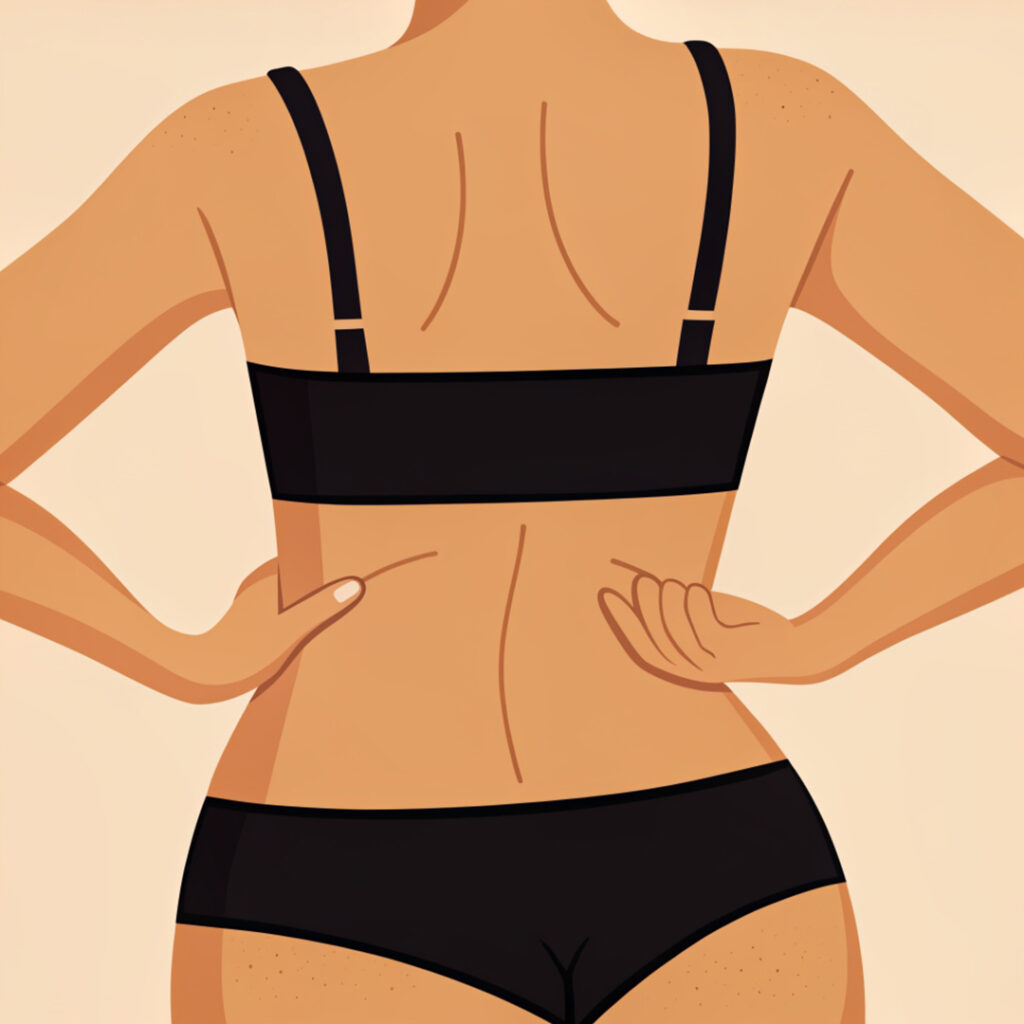
Bra line backlift surgery, sometimes called an upper back lift or the posterior upper body lift, is designed to address redundant folds of skin and soft tissue across the upper back that often persist after significant weight loss. These folds can cause irritation, rashes in warmer months, and difficulty with clothes fitting smoothly. In Charlestown and the wider Hunter region, many people reach a stable weight yet find that skin laxity across the upper back does not resolve with exercise alone. The bra line backlift removes excess tissue through a carefully planned incision that follows a natural back crease, typically hidden by most bras and swimwear. Modern techniques emphasise meticulous tissue handling, layered closure, and careful contour transitions to support reliable healing and a balanced upper back shape, particularly in the post-weight-loss setting.
During your consultation, Dr Yezdi Mistry assesses skin quality, distribution of remaining fat, posture, shoulder mobility, and any associated areas such as the lateral chest wall or flanks. The incision is usually placed horizontally across the upper back at or just below the bra line. In men, it is designed along a natural back crease to improve concealment. Where helpful, liposuction can be used to fine-tune contour transitions before skin re-draping, although the procedure’s core aim is removal of redundant skin. This operation is performed under general anaesthesia in an accredited hospital, typically with an overnight stay for monitoring and early support. Drains may be used to reduce early fluid build-up depending on the extent of surgery and your individual risk factors. Comprehensive planning and layered, space-obliterating closure help minimise dead space and assist the incision to settle evenly during the early weeks of healing.
When you wake from anaesthesia, it is normal to feel tightness across the upper back. A compression garment is applied to support the area, reduce swelling, and protect the incision. Nursing staff guide safe ways to roll, sit up, and take short, slow walks. If drains are used, they collect fluid until output decreases to a level that allows removal, often within several days. Early recovery focuses on rest, adequate pain relief as prescribed, gentle shoulder range-of-motion within comfort, and maintaining hydration. This measured approach supports circulation while avoiding strain across the incision line, which is under some tension due to the nature of skin removal in the upper back. Evidence across body contouring describes seroma as one of the common early events; strategies to reduce it include careful closure, compression, and, when appropriate, use of suction drains.
The priority in week one is protecting the incision, wearing the compression garment as directed, and pacing daily activity. Showering is usually permitted once the incision has sealed; dressings are kept clean and dry with simple, consistent care. Most people feel discomfort gradually diminish across the week. Sleeping slightly elevated or on the side reduces direct pressure on the back and makes turning easier. Plan meals that are easy to prepare, and keep essentials at waist height to avoid repetitive reaching. The aim is steady, low-stress movement rather than prolonged bed rest.
By the second week, bruising and swelling generally begin to ease. If non-absorbable sutures are used, they are commonly removed around this time. Mild changes in sensation like tingling or reduced feeling near the incision are common and usually improve over months as nerves recover. Many people in desk-based roles consider a return to work between two and three weeks, provided they can avoid heavy lifting, repetitive overhead reaching, or sudden twisting. These timelines are always individualised in review with Dr Mistry, because recovery varies with the extent of tissue removal, the presence of combined procedures, baseline health, and occupational demands. For patients who have undergone multiple upper body procedures at once, published data highlight higher risks of wound issues and the need for more measured timelines; your plan will reflect these nuances.
Most swelling continues to settle during the second month. Light cardiovascular activity, such as longer walks or a gentle stationary bike, is usually reintroduced gradually after review. Activities that place traction across the healing back, including rowing machines, heavy free weights, or forceful overhead movements, should be deferred until specifically cleared. This phase is also when formal scar care typically begins once the incision is fully closed. Silicone gel or silicone sheeting has supporting evidence for improving scar pliability and thickness when used consistently as part of a broader programme that includes sun protection. For newly healed scars on the back, clothing coverage and high-SPF sunscreen when outdoors are sensible, practical measures.
Between three and six months, the upper back contour is more clearly defined. Scar tissue continues to remodel and usually softens over time. The colour of the scar often transitions from pink to paler hues, although this can vary with skin type. Some intermittent tightness or altered sensation can persist but typically lessens as months pass. This is also the window when many patients resume their usual exercise routines, including progressive upper body work, after medical clearance. The biological processes of wound healing and scar maturation continue for at least a year. A stable body weight through this period supports a lasting contour because recurrent weight fluctuations can stretch healing tissues and change the way a scar behaves.
Recovery is not driven only by the operation; daily habits influence outcomes in meaningful ways. A diet that prioritises lean protein sources, whole grains, vegetables, fruit, and adequate hydration supports collagen formation and immune function. There is robust plastic surgery literature linking smoking and nicotine exposure with increased rates of wound problems, infection, and skin breakdown. Stopping smoking well ahead of surgery and maintaining abstinence through recovery reduces these risks and aligns with broader health goals. If you need help with smoking cessation, ask the team so that support can be arranged early.
Contact the practice promptly if you notice increasing redness, sudden swelling, fever, or fluid leakage that is not expected for your stage of recovery. Sometimes a fluid pocket under the incision, called a seroma, can form and require drainage in the clinic. Published reviews emphasise the importance of reducing dead space with layered closure, the considered use of drains, and ongoing compression as practical strategies to mitigate this risk; management is tailored to the individual and the type of body contouring performed. Early communication keeps minor issues small and allows timely adjustments to dressings, activity levels, or medications.
Recovery is a partnership. Regular review visits allow Dr Mistry to check incision progress, guide the stepwise return to activity, and personalise scar care. The Royal Australasian College of Surgeons underscores the importance of informed consent and ongoing discussion so that patients understand potential benefits, limitations, and the variability inherent in surgery. The same approach extends into recovery, where questions and evolving goals are discussed openly and plans are adapted to your circumstances.
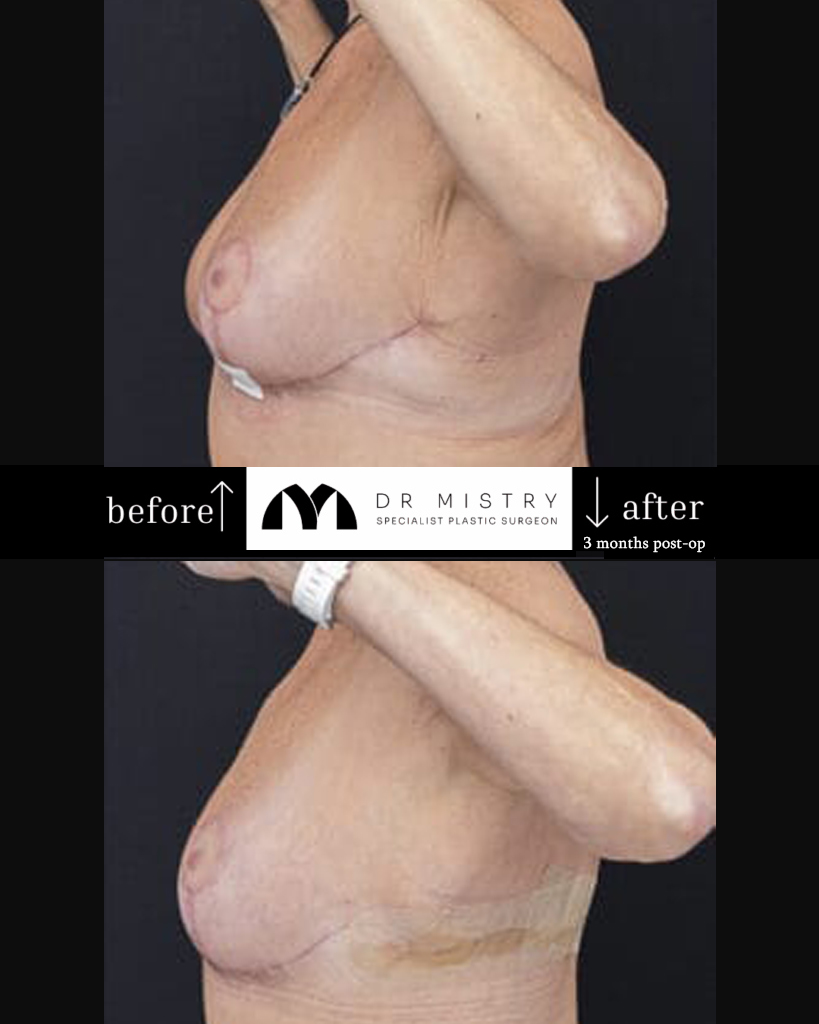
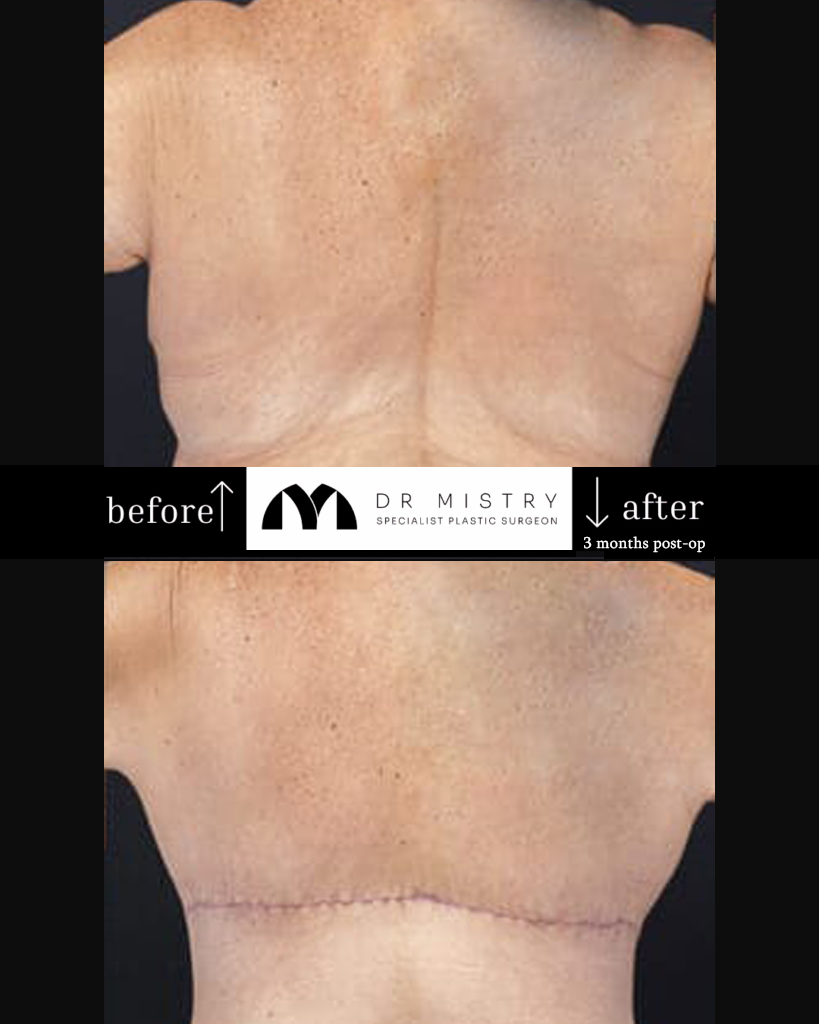
Many people pursue a bra line backlift as one element of a staged plan after significant weight loss. The upper back is part of a wider upper-torso unit that can include the lateral chest wall, bra roll, and arm regions. Peer-reviewed literature on upper body lift surgery highlights the influence of pre-existing medical conditions, smoking history, and the number of combined procedures on complication rates, reinforcing the value of measured staging, early optimisation of health, and realistic timelines for return to activity. Your plan is designed to be achievable and to minimise risk while addressing priority concerns.
There is no universal calendar that fits every patient, yet several consistent themes apply. Early walking is encouraged in short bouts to aid circulation. Sedentary desk work may resume in the second or third week if comfort allows and if travel can be arranged without heavy lifting. Most patients progressively increase low-impact activity over weeks four to eight, leaving upper body resistance work until cleared in review. Where operations are combined or where job roles involve physical exertion, timeframes may extend. What matters most is a staged return that protects the healing incision from repetitive shearing and sudden load. Your follow-up schedule is the forum for confirming each step and making specific adjustments tailored to your progress. For patients who want objective reassurance, it can help to keep a simple recovery diary capturing walking time, shoulder mobility, and sleep comfort, then review these metrics in clinic to guide the pace forward.
Scar maturation is gradual and usually continues for 12 to 18 months. Consistent silicone therapy, gentle massage once permitted, sun protection, and a stable weight are practical pillars that can influence scar quality. Government and hospital patient resources across NSW reinforce fundamentals such as keeping wounds clean and dry in the early stages, avoiding unnecessary topical products on fresh incisions, and seeking review if signs of infection arise. After the incision has fully healed, topical silicone products can be introduced as advised. If a scar becomes raised or itchy, options such as steroid injections or laser may be discussed in carefully selected cases.
The goal of a bra line backlift is to reduce redundant upper-back skin and create a smoother contour that suits your frame. The procedure can improve comfort by reducing skin fold irritation and enabling clothing to sit more evenly. Results emerge progressively as swelling subsides in the early weeks and scars mature over months. Published technical reviews describe the bra line backlift as a reliable method for addressing upper-back laxity, provided patient selection, surgical planning, and post-operative care are thoughtful and consistent. Outcomes vary from person to person, which is why close follow-up and clear communication remain central throughout your recovery.
Most patients wear a compression garment for around six weeks, though the exact duration varies depending on swelling and healing. Dr Mistry reviews each patient at set intervals and advises when it can be reduced or discontinued.
Yes. Tightness across the incision is common and reflects the way the skin has been redraped. It gradually eases over weeks as the tissues adapt and scar tissue softens.
In the early stages, it is best to avoid direct pressure on the incision. Sleeping on your side or in a slightly elevated position helps reduce swelling and protect the wound.
Water immersion should be avoided until the incision is fully closed and cleared by Dr Mistry, which is generally after six to eight weeks. Entering water too early can increase the risk of infection or wound breakdown.
Scars mature over 12 to 18 months, becoming flatter and paler with ongoing care. Silicone therapy and sun protection play important roles in improving long-term scar appearance.
Temporary numbness or altered sensation is common and usually improves over several months. Complete return of feeling can take time as small sensory nerves regenerate.
Gentle walking is encouraged soon after surgery to maintain circulation. More strenuous upper-body exercise, including lifting or stretching, is reintroduced gradually once approved at review.
Yes, a small fluid collection called a seroma can occasionally form beneath the incision. These are generally managed in the clinic with simple drainage and continued compression.
Most people can drive after two to three weeks when arm movement is comfortable and they no longer require prescription pain medication. Dr Mistry confirms this individually at the follow-up appointment.
Yes. Large weight changes can stretch healing skin and alter the contour achieved through surgery. Maintaining a stable, healthy weight supports lasting results.
Dr Yezdi Mistry
Specialist Plastic and Reconstructive Surgeon
BHB, MBChB, FRACS Plastic Surgery
AHPRA Registration No. MED0001861566
Charlestown Consulting Rooms
Suite 312, Level 3
99 Pacific Highway
Charlestown NSW 2290
Phone: 02 4062 7888
Email: admin@drmistry.com.au
Website: www.drmistry.com.au
Patients across Charlestown and the Hunter region are supported before, during, and after surgery with a plan that emphasises preparation, steady recovery, and practical scar care. If you are considering an upper back lift after significant weight loss, arranging a consultation allows a personalised assessment, discussion of timing relative to other procedures, and a detailed recovery roadmap aligned with your day-to-day life.
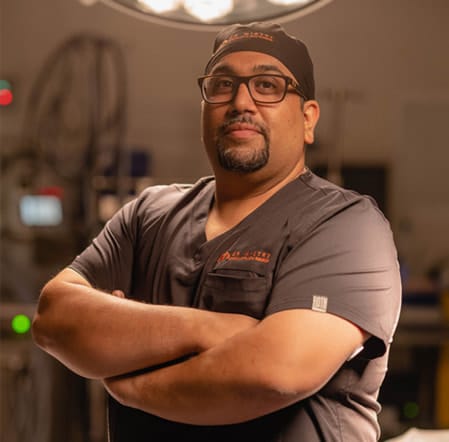
Dr Yezdi Mistry is a Specialist Plastic and Reconstructive Surgeon based in Newcastle, NSW. With extensive training and experience in both reconstructive and aesthetic surgery, Dr Mistry is committed to providing safe, evidence-based care that is tailored to each patient’s individual needs.
After completing his Fellowship of the Royal Australasian College of Surgeons (FRACS) in Plastic Surgery in 2013, Dr Mistry relocated to Newcastle with his family in 2015. He began his work as a Visiting Medical Officer (VMO) in Plastic and Hand Surgery at John Hunter Hospital before establishing his private practice in 2017. His practice offers a comprehensive range of reconstructive and aesthetic procedures for the breast, body, face, and skin.
Dr Mistry’s approach to patient care is grounded in trust, respect, and open communication. From initial consultation to recovery, he aims to ensure patients feel informed, supported, and comfortable throughout their surgical journey. He is dedicated to maintaining the highest professional and ethical standards in all aspects of his work.
To remain at the forefront of modern surgical techniques, Dr Mistry continues to pursue ongoing professional development both in Australia and internationally. He was Australia’s first delegate at the Body Contouring Academy in Paris, where he received advanced training in body contouring and skin-tightening techniques, including VASER and RENUVION technologies.
Fill in your details and our friendly team will be in touch with you
Please Note: Information provided on Dr Mistry’s website is provided as a basic guide, it does not constitute a diagnosis and should not be taken as medical advice. Any surgical or invasive procedure carries risks.



“I care because it’s my job as a surgeon, as a plastic surgeon, to do the appropriate thing and to give you a good outcome. I want to leave knowing that I can tell a patient, hand on heart, that I did the very best I could and that I looked after them, so when I see them post op later that day or the next morning, that they feel they were in good hands.”
– Dr Yezdi Mistry
Request a Consult
