- Closed as of Wednesday, 24th Dec 2025, re-opening Friday, 16th January 2026
- Request a Consultation for 2026

Breast augmentation is a planned surgical procedure that requires careful preparation and thoughtful aftercare. The operation is only one stage of the journey. The recovery period is where healing occurs, tissues settle, and the final appearance develops. Patients in Newcastle and the Hunter region who visit Dr Yezdi Mistry, Specialist Plastic & Reconstructive Surgeon, receive structured care that begins well before surgery and continues through long-term follow-up. His Charlestown practice focuses on safety, education, and continuity of care so that every stage of recovery is well supported.
Recovery after breast augmentation follows a predictable sequence, but each person’s pace varies. In the early phase swelling, tightness, and mild bruising are common. These are natural responses as the body heals and adjusts to the implants. During the first few days it is important to rest, maintain gentle movement, and follow the written instructions provided by Dr Yezdi Mistry, Specialist Plastic & Reconstructive Surgeon, and his clinical team. Most patients find that symptoms gradually ease during the first week as their body adapts.
Before surgery Dr Mistry prepares each patient with practical advice about recovery. This includes information on how to arrange a comfortable rest area, what clothing to have ready, and how to organise short-term support at home. By planning ahead, the first week is calmer and patients feel more confident in their ability to manage.
The first two days after breast augmentation are a time of rest and observation. The body directs energy toward repair, which can cause temporary swelling and tightness across the chest. Keeping the upper body elevated helps reduce pressure and fluid buildup. Dr Mistry reviews patients soon after surgery to ensure that dressings are secure and pain relief is effective.
Pain medication is tailored to individual needs. Cold compresses can be used intermittently to reduce swelling, taking care not to apply them directly to the skin. Gentle hand and elbow movements help maintain circulation, but the chest muscles should not be strained. Patients are encouraged to walk short distances within the home, drink plenty of water, and avoid heavy lifting or stretching. The supportive bra provided after surgery should remain in place as directed to keep the implants stable.
During the first week discomfort usually improves and normal daily activities slowly resume. Swelling and bruising begin to settle. The breasts may appear high or firm, which is expected at this stage and will change as the tissues relax. Continuing to wear the supportive garment is essential, as it provides gentle compression and comfort.
Most patients can return to work after one week if their role is not physically demanding. For those whose jobs involve heavy lifting or repetitive arm movement, more time off may be necessary. Dr Mistry encourages light walking from the beginning but asks patients to avoid exercise that raises the heart rate or strains the chest. At follow-up appointments, progress is checked and adjustments are made to the recovery plan as needed.
Between two and four weeks after surgery, patients notice further improvement. Swelling continues to subside and the breasts become softer to touch. Some may experience tingling or altered sensation as the nerves recover, which is a normal part of healing. By this point many people return to routine activities and light household tasks.
Driving can usually resume once patients are off prescription pain medication and can move freely without discomfort. Dr Yezdi Mistry, Specialist Plastic & Reconstructive Surgeon, advises taking this step cautiously and testing arm mobility before returning to the road. He conducts scheduled follow-up visits during this period to monitor incision healing and implant position. These reviews also allow time to discuss scar care, activity levels, and any new sensations that may arise.
Good nutrition supports recovery. Meals rich in lean protein, vegetables, and fruit promote tissue repair, while hydration assists circulation. Smoking and excess alcohol can interfere with healing and are best avoided. Rest remains important, as adequate sleep supports the body’s repair process.
By week four, comfort increases markedly. Light non-contact exercise such as gentle cycling or walking on a flat surface can often resume if cleared by the surgeon. Swelling lessens each week, though minor fluctuations are still common. At this stage scar management may begin, usually with silicone-based products recommended by the practice. New scars are delicate and should be protected from sunlight to avoid darkening.
Around six to eight weeks, most patients have resumed nearly all daily activities. The breasts feel softer, movement is easier, and residual tenderness decreases. Follow-up at this time confirms that the implants have settled symmetrically and that healing is progressing well. Dr Yezdi Mistry, Specialist Plastic & Reconstructive Surgeon, provides long-term care instructions and explains how to monitor the breasts for normal changes as well as signs that may require attention.
From eight weeks onward, recovery transitions into the long-term adjustment phase. The soft tissue continues to settle around the implants, and the final shape becomes more defined over several months. For most patients, the breasts reach a stable appearance between three and six months after surgery.
Long-term outcomes depend on overall health, adherence to follow-up, and the natural ageing process. Breast implants are not permanent devices and may eventually need replacement or removal. Reasons can include rupture, capsular contracture, or changes in breast tissue due to ageing or weight variation. During consultations, Dr Yezdi Mistry, Specialist Plastic & Reconstructive Surgeon, explains these possibilities clearly so that patients can plan future care appropriately. Regular follow-up appointments help maintain breast health and allow early identification of any changes.
Recovery speed and comfort are affected by surgical technique, implant characteristics, and patient health. Placement beneath the pectoral muscle can result in more initial tightness than placement above it, but the difference lessens as the muscle stretches. Implant size and the patient’s body frame also influence tension and early sensation.
Lifestyle factors such as fitness, balanced diet, and not smoking improve circulation and healing. Pre-existing health conditions and certain medications can affect bruising and swelling, so the surgical plan is tailored to each patient’s medical background. Following postoperative instructions precisely has a direct impact on how smoothly recovery progresses. Wearing the garment as advised, limiting early activity, and attending all reviews are essential for optimal results.
Understanding what is normal during recovery helps reduce anxiety. Patients are reminded to contact the practice if they experience unusual swelling, redness, severe pain, or fever. These signs may indicate complications that need timely review. Open communication with the surgical team ensures early intervention if required.
Recent medical literature has explored enhanced recovery strategies for breast surgery. These include refined anaesthetic techniques, reduced use of drains, and encouraging gentle early movement. When carefully applied, these methods can support comfort and a return to regular routines in a measured way. Dr Mistry incorporates principles from these evidence-based approaches where suitable but always individualises care according to each patient’s needs and surgical details.
Patient experience research shows that feeling informed and supported throughout recovery strongly influences satisfaction. Frequent communication and realistic discussions before surgery prepare patients for the range of sensations they may feel as they heal. Dr Yezdi Mistry, Specialist Plastic & Reconstructive Surgeon, and his team maintain ongoing contact after surgery so that patients in Newcastle feel guided at every stage. His approach combines technical precision with ongoing education and reassurance.
While complications are uncommon, they remain possible with any operation. These may include haematoma, infection, implant malposition, or capsular contracture. Recognising early signs and seeking prompt review improves outcomes. Scheduled follow-up visits are designed to identify issues early and keep the recovery on track.
Small details can make the first week much easier. A rest area with extra pillows for support helps maintain a semi-upright position. Front-opening clothing avoids stretching the arms overhead. Keeping essentials such as water, medication, and phone nearby reduces unnecessary movement. Short walks around the home are encouraged, while prolonged rest in one position is discouraged. Constipation caused by pain medicine can be minimised with good hydration and fibre intake.
Sleep can be lighter than usual in the early period. Many patients prefer to rest in a reclined position for the first week or two. Once comfort improves, sleeping on the side can be considered after the surgeon’s approval. Maintaining a calm routine and allowing adequate rest help the body recover efficiently.
Gradual movement helps restore circulation and flexibility. During the first two weeks only gentle walking is recommended. From weeks three to four, light lower body exercise such as stationary cycling can be introduced. At around six weeks, upper body training can begin with small weights if healing is complete and the surgeon has confirmed readiness. High-intensity activity, impact sports, and stretching that load the chest should wait until at least eight weeks or longer depending on individual progress. Continued use of a supportive sports bra without underwire protects the healing tissue during exercise.
Routine breast checks remain important for patients with implants. Screening such as mammography should continue according to age and personal risk factors. Radiographers need to know that implants are present so that imaging can be adjusted accordingly. Any new lumps, changes in shape, or discomfort should be assessed. Dr Mistry works closely with imaging providers in Newcastle to ensure safe and accurate assessment when required.
Newcastle and the Hunter region have excellent access to hospital facilities, imaging services, and allied health professionals. Dr Yezdi Mistry, Specialist Plastic & Reconstructive Surgeon, performs surgery in accredited hospitals and provides ongoing follow-up at his Charlestown rooms. This continuity ensures that patients are reviewed by the same team throughout their care. Clear communication and proximity to medical support provide reassurance during the healing process.
Most patients describe their breasts as feeling settled and natural after about three to six months. The soft tissues slowly adapt around the implants, and the sense of tightness gradually fades with time.
It is best to sleep on your back with your upper body slightly elevated for the first few weeks. Side sleeping can usually be reintroduced once your surgeon confirms that healing is stable and comfortable movement has returned.
Assistance with daily tasks is very useful during the first few days, particularly for lifting or reaching. Preparing your home before surgery and having support available helps recovery feel calmer and less physically demanding.
Yes, mild differences in swelling, bruising, or sensitivity between the two breasts are common. These variations usually even out as healing continues and the tissues settle.
Driving can usually resume after one to two weeks when pain is minimal and arm movement is unrestricted. Always check with your surgeon first and avoid driving while taking prescription pain medicine.
A single brief strain rarely causes serious harm, but repeated lifting can delay healing or shift implant positioning. If discomfort or swelling increases after lifting, you should contact your surgeon for review.
Swimming should wait until the incisions are completely healed, usually around six weeks or later. Water exposure too early can increase infection risk or interfere with scar healing.
Once healing is complete and the implants are stable, patients may return to underwire or regular bras. It is best to have a professional fitting several months after surgery to ensure comfort and correct support.
Yes, significant weight loss or gain can alter breast shape and skin tension. Maintaining a stable weight helps preserve the long-term outcome after breast augmentation.
Regular reviews are recommended after the initial recovery period, often at one year and then every few years or if concerns arise. Ongoing monitoring ensures both implant integrity and breast health are.
Recovery after breast augmentation is a structured and gradual process that rewards patience and attention to detail. Most patients resume daily routines within weeks, while full healing continues for several months. The most effective steps include following postoperative instructions, attending scheduled appointments, progressing activity gradually, and asking questions whenever needed. These practical habits help protect the surgical result and promote comfort throughout recovery.
Dr Yezdi Mistry, Specialist Plastic & Reconstructive Surgeon, provides comprehensive guidance for each patient, ensuring they understand how recovery progresses and what signs to monitor. His focus remains on patient safety, evidence-based care, and open communication. Each consultation is an opportunity to discuss individual goals and plan recovery with precision and care.
For individuals in Newcastle and the Hunter region who wish to learn more about breast augmentation or other plastic and reconstructive procedures, consultations can be arranged directly with Dr Yezdi Mistry.
Dr Yezdi Mistry
Specialist Plastic & Reconstructive Surgeon
BHB, MBChB, FRACS Plastic Surgery
AHPRA Registration No. MED0001861566
Charlestown Healthcare Hub
Suite 312, Level 3
99 Pacific Highway
Charlestown NSW 2290
Phone: 02 4062 7888
Email: admin@drmistry.com.au
Website: www.drmistry.com.au
All consultations are conducted in person at Dr Mistry’s Charlestown practice. Information provided in this article is general in nature and should not replace a personal consultation or medical assessment. Each patient’s circumstances are unique, and treatment recommendations are made only after a thorough clinical evaluation.
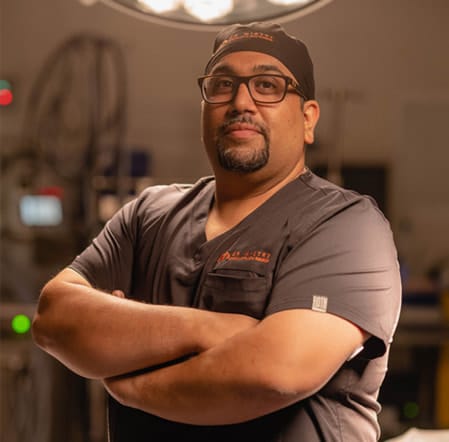
Dr Yezdi Mistry is a Specialist Plastic and Reconstructive Surgeon based in Newcastle, NSW. With extensive training and experience in both reconstructive and aesthetic surgery, Dr Mistry is committed to providing safe, evidence-based care that is tailored to each patient’s individual needs.
After completing his Fellowship of the Royal Australasian College of Surgeons (FRACS) in Plastic Surgery in 2013, Dr Mistry relocated to Newcastle with his family in 2015. He began his work as a Visiting Medical Officer (VMO) in Plastic and Hand Surgery at John Hunter Hospital before establishing his private practice in 2017. His practice offers a comprehensive range of reconstructive and aesthetic procedures for the breast, body, face, and skin.
Dr Mistry’s approach to patient care is grounded in trust, respect, and open communication. From initial consultation to recovery, he aims to ensure patients feel informed, supported, and comfortable throughout their surgical journey. He is dedicated to maintaining the highest professional and ethical standards in all aspects of his work.
To remain at the forefront of modern surgical techniques, Dr Mistry continues to pursue ongoing professional development both in Australia and internationally. He was Australia’s first delegate at the Body Contouring Academy in Paris, where he received advanced training in body contouring and skin-tightening techniques, including VASER and RENUVION technologies.
Fill in your details and our friendly team will be in touch with you
Please Note: Information provided on Dr Mistry’s website is provided as a basic guide, it does not constitute a diagnosis and should not be taken as medical advice. Any surgical or invasive procedure carries risks.



“I care because it’s my job as a surgeon, as a plastic surgeon, to do the appropriate thing and to give you a good outcome. I want to leave knowing that I can tell a patient, hand on heart, that I did the very best I could and that I looked after them, so when I see them post op later that day or the next morning, that they feel they were in good hands.”
– Dr Yezdi Mistry
Request a Consult
