- Closed as of Wednesday, 24th Dec 2025, re-opening Friday, 16th January 2026
- Request a Consultation for 2026

Otoplasty is a carefully planned operation that adjusts the position or shape of the ears with the aim of achieving balanced facial proportions. The surgical steps are important, yet what happens after the procedure often determines how comfortably and predictably the tissues settle. Patients in Newcastle and the Hunter region frequently ask how long recovery will take, when they can return to daily activities, and what they can do to support healing.
This article sets out a clear, evidence-based guide to recovery after otoplasty with practical details that reflect how Dr Yezdi Mistry cares for patients at his Charlestown practice. The aim is to help you understand the phases of healing, recognise what is typical, and know when to seek advice.
Recovery is not a passive interval that simply follows surgery. It is an active phase in which cartilage, skin, and soft tissue adapt to their new position while the body lays down collagen and remodels scar tissue. A structured plan provides predictability and helps reduce preventable problems such as pressure on the ears, accidental knocks during sleep, or early return to strenuous activity. At your preoperative consultation, Dr Mistry outlines how to prepare your home, which medications are appropriate, and how to arrange support for the first one to two days. Clear expectations reduce anxiety and allow you to focus on rest, positioning, and simple routines that make a real difference to comfort and outcome.
Most otoplasty procedures are performed as day surgery. After a short, monitored recovery period, you return home with a protective head dressing in place. This dressing supports the new ear position, reduces swelling, and forms a barrier against accidental bumps. Mild to moderate discomfort, a feeling of tightness, and throbbing are common as the local anaesthetic wears off. Swelling and bruising are usually most noticeable during the first two days. The simple measures that help most are rest, head elevation on extra pillows, and avoiding pressure on the ears while sleeping. Pain is typically managed with a tailored regimen that favours non opioid options where suitable. Do not adjust or remove dressings unless instructed to do so at your review.
You will see Dr Mistry at the Charlestown clinic within the first week. At this visit, the bulky dressing is often replaced with a lighter headband that maintains the ear position while the soft tissues begin to settle. The headband is usually worn at all times during the first week. The incisions, which are commonly placed behind the ears, are checked for early signs of irritation or delayed healing. Swelling generally starts to decline, and many people report that any discomfort becomes dull and manageable. Gentle walking around the home is encouraged. Activities that raise blood pressure, heavy lifting, and bending for prolonged periods should be avoided to minimise the risk of bleeding. If you wear glasses, discuss strategies to keep pressure off the ears until you are cleared to resume normal wear.
The second and third weeks bring visible progress. Most bruising fades, swelling continues to subside, and the ears begin to look closer to their final contour. Temporary changes in sensation, such as numbness or tingling, are common and usually improve gradually as small nerve branches recover. The headband is often transitioned to night time wear only, particularly to protect the ears from folding during sleep. Many office based workers feel ready to return to work after one to two weeks. Those in roles that involve heat, dust, helmets, or significant physical exertion may require a longer modification period. Sun protection becomes especially important as early scars are sensitive to ultraviolet radiation. A broad brimmed hat is a practical option when outdoors.
By the six to twelve week mark, most swelling has resolved and the cartilage feels less firm to the touch. The ear contour is more refined, though tissues continue to remodel for several months. If the incisions are fully healed and there is no residual tenderness, a gradual return to regular exercise is usually possible. Contact sports or activities with a risk of impact around the head should wait until Dr Mistry advises that the ears can tolerate external forces. Scar care becomes a steady routine. Silicone gels or sheets may be recommended once the skin is closed to support flatter, paler scars over time. Gentle scar massage, when approved, can help soften any early firmness.
From three months onward, the ears stabilise in their new position. Scars flatten and fade and typically sit discreetly in the natural crease behind the ear. Small areas of firmness may persist but continue to soften. Most patients resume the full range of daily and recreational activities by this stage. Continued attention to sun protection is worthwhile for the first year. If you play contact sports or use helmets, consider extra padding or protective headbands until Dr Mistry confirms that the cartilage repairs are mature.
Enhanced Recovery After Surgery is a framework that reduces surgical stress and supports earlier return to function across many specialties. While otoplasty is a day procedure, several principles are directly applicable. Preoperative education provides clarity about the phases of healing and reduces uncertainty. Thoughtful anaesthetic and analgesic plans limit nausea, support early oral intake, and allow movement as soon as safe. Careful surgical handling and precise suture placement minimise tissue trauma and swelling. After surgery, hydration, light mobilisation, appropriate pain control, and consistent wound care create a stable environment for cartilage and skin to heal. Dr Mistry adapts these principles to each patient so that recovery is both structured and flexible enough to account for individual variation.
Itching, mild numbness, and a sensation of tightness are expected features of early recovery. Itching often reflects nerve regeneration and tends to settle on its own. Numbness improves gradually as inflammation resolves. Bruising changes colour over days before fading. Swelling is typically most visible in the first week and then contracts steadily, although faint puffiness may linger for several weeks. The ears may initially appear closer to the head than you anticipated. As swelling declines and tissues relax, the final balance becomes clearer. Avoid the temptation to judge the result in the first fortnight. Photographs taken at standardised review intervals can help you appreciate changes objectively.
Complications are uncommon when postoperative guidance is followed, but it is important to know the warning signs. Contact the Charlestown clinic urgently if you notice progressive pain that does not respond to prescribed medication, increasing redness or warmth around the incisions, thick or malodorous discharge, expanding bruising, or a sudden change in ear shape. These features may indicate hematoma, infection, or tension on the repair that requires assessment. Do not apply unapproved topical products to the incisions. Keep the area clean and dry as instructed and avoid any pressure that could deform the ear while tissues are still pliable. Prompt review allows small problems to be managed early and helps protect the repair.
There is no single timetable that fits everyone, so Dr Mistry tailors advice to your role and health status. Many patients return to desk based work within one to two weeks when comfort allows. Occupations that involve heat, dust, repetitive bending, or tight headwear may require staged duties or delayed return. Light household tasks are appropriate once you feel steady on your feet. Driving is generally reasonable when you can turn your head comfortably and are not taking medication that affects alertness. Structured exercise can begin with walking and stationary cycling once cleared, progressing to higher intensity activity over several weeks. Swimming is acceptable when the incisions are fully healed and there is no tenderness. Contact sports should wait until you receive explicit clearance.
Small adjustments at home can make the first fortnight easier. Prepare extra pillows to maintain head elevation while sleeping. Replace tight fitting tops with button front or zip garments that avoid pulling over the ears. Keep a clean, soft headband ready as directed. Arrange meals and hydration within easy reach for the first day at home. Set reminders for medications and dressing changes. If you have children or pets, consider short term assistance to reduce the chance of accidental knocks to the head while you rest. These simple measures reduce friction points and allow healing to proceed without avoidable setbacks.
Incisions require minimal handling in the first week other than gentle cleansing as advised. Once closed, topical silicone products can be introduced if recommended. These act as an occlusive barrier that modulates hydration in the stratum corneum and is associated with flatter, paler scars over months of use. Massage can begin when the skin is sound and non tender. Use small, circular motions with a bland moisturiser to soften early scar tissue. Strict sun protection is essential because early scars can pigment with ultraviolet exposure. A hat is practical during outdoor activity, and sunscreen can be introduced to surrounding skin when appropriate. Avoid harsh exfoliants or active cosmeceuticals on the area until cleared.
Healing varies from person to person. Age, general health, nutritional status, and smoking history all influence collagen formation and microcirculation. Good sleep and hydration support immune function and tissue repair. Adequate protein intake and micronutrients such as vitamin C and zinc contribute to collagen synthesis. If you have medical conditions such as diabetes or if you take anticoagulants, Dr Mistry will coordinate perioperative plans to balance safety with efficient recovery. The surgical technique is tailored to your anatomy, which means the exact pattern of swelling and the timeline for return to certain activities may differ slightly from a friend or family member who has also had ear surgery.
Structured follow up is central to safe recovery. Early review typically occurs within the first week, followed by appointments that align with expected milestones in swelling reduction, scar maturation, and tissue stability. These visits allow Dr Mistry to assess symmetry, monitor incision health, and refine your care plan. Newcastle patients benefit from proximity to the Charlestown practice, which makes it easy to attend reviews or seek advice if concerns arise between scheduled visits. If you are unsure about any symptom, contact the clinic. Reassurance and early guidance are part of comprehensive care.
Once healing is complete, ear position is usually stable. Cartilage retains its corrected shape and scars settle into the natural fold behind the ear. Ongoing protection is sensible if you participate in activities where impact to the head is possible. Many patients choose to wear a light headband during sports that involve helmets, particularly in the first year. If a minor irregularity persists after tissues have fully matured, this can be discussed during a later review, although small variations in contour are common between sides and are often not noticeable in everyday life.
Recovering locally has practical benefits. Travel time for reviews is short, which supports regular follow up and timely adjustments to care. The coastal climate in Newcastle is generally comfortable for convalescence, but it is wise to avoid overheating during the first week. Plan indoor activities, ensure good ventilation without direct drafts over the ears, and remain mindful of sun exposure when you resume outdoor routines. If your work involves outdoor tasks, discuss staged return plans so that pressure and heat do not compromise the repair. Dr Mistry’s team is experienced in tailoring return to work notes for a range of roles across the region.
The most helpful mindset is to view recovery as a series of phases rather than a fixed date when everything is complete. The first two weeks focus on protection and swelling control. The next four to eight weeks build stability and function. The following months refine texture and scar quality. Photographs taken at each review illustrate steady change and prevent day to day fluctuations from causing concern. Clear communication with the Charlestown team keeps you informed and supported, which is central to Dr Mistry’s patient centred approach.
Over-ear headphones should be avoided for at least six weeks as they can place pressure on the healing cartilage. In-ear or bone-conduction options may be safer once Dr Mistry confirms the ears are stable.
Temporary numbness or itching is part of normal nerve regeneration. These sensations usually fade gradually over several weeks as swelling decreases and nerve fibres recover.
Yes. Mild asymmetry in swelling or bruising is common in the early phase. As the tissues settle, most temporary differences even out naturally.
Sleeping on your back is advised for at least four to six weeks to prevent accidental bending or pressure on the ears. Side sleeping can be reintroduced once healing is confirmed.
Haircuts are possible after two to three weeks if the incisions are closed and there is no tenderness. Colouring or chemical treatments should wait at least six weeks to prevent irritation.
Short domestic flights are usually safe after one to two weeks if there is no discomfort or sinus congestion. Long-haul travel should be discussed individually to coordinate review appointments.
A mild increase in warmth can accompany normal healing, but persistent warmth or pain may signal infection. Contact Dr Mistry’s Charlestown clinic for assessment if symptoms persist.
Warm, humid conditions can increase swelling slightly during the first week. Keeping cool, staying hydrated, and avoiding direct sunlight help maintain comfort.
No. Most patients use the headband for about four to six weeks, mainly during sleep. Some continue longer for reassurance, but it is not required once the cartilage is firm.
It is best to wait for approval. Some over-the-counter products contain active ingredients that may irritate fresh incisions or interfere with silicone therapy recommended by Dr Mistry.
Recovery after otoplasty follows a predictable pattern when simple, evidence informed measures are followed. Early protection with a dressing and headband, careful positioning during sleep, and avoidance of pressure help the repair to settle. Gradual return to work and exercise is planned according to comfort and incision healing. Scar care with silicone products and sun protection supports favourable long term appearance. Follow up with Dr Yezdi Mistry in Charlestown anchors the process, providing reassurance, timely review, and adjustments where needed. With preparation, patience, and consistent aftercare, most people find that recovery is manageable and that the ears attain a stable contour over time.
Dr Yezdi Mistry
Specialist Plastic and Reconstructive Surgeon
BHB, MBChB, FRACS Plastic Surgery
Charlestown, Newcastle NSW
Registration No. MED0001861566
Charlestown Consulting Rooms
Suite 312, Level 3
99 Pacific Highway
Charlestown NSW 2290
Phone: 02 4062 7888
Email: admin@drmistry.com.au
Website: www.drmistry.com.au
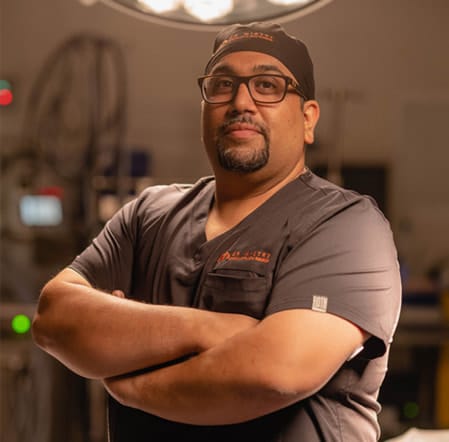
Dr Yezdi Mistry is a Specialist Plastic and Reconstructive Surgeon based in Newcastle, NSW. With extensive training and experience in both reconstructive and aesthetic surgery, Dr Mistry is committed to providing safe, evidence-based care that is tailored to each patient’s individual needs.
After completing his Fellowship of the Royal Australasian College of Surgeons (FRACS) in Plastic Surgery in 2013, Dr Mistry relocated to Newcastle with his family in 2015. He began his work as a Visiting Medical Officer (VMO) in Plastic and Hand Surgery at John Hunter Hospital before establishing his private practice in 2017. His practice offers a comprehensive range of reconstructive and aesthetic procedures for the breast, body, face, and skin.
Dr Mistry’s approach to patient care is grounded in trust, respect, and open communication. From initial consultation to recovery, he aims to ensure patients feel informed, supported, and comfortable throughout their surgical journey. He is dedicated to maintaining the highest professional and ethical standards in all aspects of his work.
To remain at the forefront of modern surgical techniques, Dr Mistry continues to pursue ongoing professional development both in Australia and internationally. He was Australia’s first delegate at the Body Contouring Academy in Paris, where he received advanced training in body contouring and skin-tightening techniques, including VASER and RENUVION technologies.
Fill in your details and our friendly team will be in touch with you
Please Note: Information provided on Dr Mistry’s website is provided as a basic guide, it does not constitute a diagnosis and should not be taken as medical advice. Any surgical or invasive procedure carries risks.



“I care because it’s my job as a surgeon, as a plastic surgeon, to do the appropriate thing and to give you a good outcome. I want to leave knowing that I can tell a patient, hand on heart, that I did the very best I could and that I looked after them, so when I see them post op later that day or the next morning, that they feel they were in good hands.”
– Dr Yezdi Mistry
Request a Consult
