
Smoking is one of the most important lifestyle factors surgeons consider before cosmetic surgery. Nicotine and other chemicals in cigarettes directly affect blood flow, tissue oxygenation, and wound healing, which can significantly influence surgical outcomes. For this reason, patients are routinely advised to stop smoking well before any cosmetic procedure.
Understanding why smoking cessation matters – and how to approach it – can help patients prepare safely and responsibly for surgery. At his practice in Charlestown, Newcastle NSW, Dr Yezdi Mistry, Specialist Plastic and Reconstructive Surgeon, provides clear guidance on smoking cessation as part of comprehensive preoperative planning.
Smoking affects the body’s ability to heal by constricting blood vessels and reducing oxygen delivery to tissues. Adequate blood flow is essential for healing incisions, maintaining skin viability, and reducing the risk of wound complications. When circulation is impaired, tissues are more vulnerable during the recovery period.
Nicotine also interferes with collagen production, which plays a central role in wound strength and scar formation. This can lead to delayed healing or less predictable scarring. These effects are relevant across many cosmetic procedures, including breast surgery, abdominal surgery, and body contouring.
Importantly, it is not only cigarettes that pose a concern. Nicotine in any form – including vaping, patches, gum, and e-cigarettes – can affect circulation. This is why cessation advice usually applies to all nicotine products.
After cosmetic surgery, the body relies on a complex healing process that includes inflammation, tissue repair, and scar maturation. Smoking disrupts each of these phases by limiting oxygen and nutrient supply to healing tissues. This can increase the likelihood of wound breakdown or prolonged recovery.
Skin and fat are particularly sensitive to reduced blood flow. In procedures that involve skin elevation or reshaping, compromised circulation may affect how tissues settle during healing. Surgeons take these factors into account when assessing surgical suitability.
Dr Mistry discusses these physiological effects during consultation to ensure patients understand why smoking cessation is not a formality, but a key part of surgical safety and planning.

Patients are generally advised to stop smoking well in advance of cosmetic surgery. This allows the body time to improve circulation and tissue oxygenation before the operation. The exact timeframe is discussed individually based on the planned procedure and patient history.
Stopping smoking only a few days before surgery is not sufficient to reverse nicotine’s effects. Blood vessel constriction and reduced oxygen delivery can persist for weeks. Early cessation supports more predictable healing conditions.
Dr Mistry provides specific guidance during consultation regarding cessation timelines and the importance of remaining nicotine-free both before and after surgery.
Many patients ask whether reducing cigarette use is sufficient. Unfortunately, even small amounts of nicotine can continue to affect blood vessels and tissue healing. From a surgical perspective, there is no reliable “safe level” of nicotine exposure.
Occasional smoking or vaping still exposes tissues to nicotine and carbon monoxide. These substances interfere with the same physiological processes regardless of dose. This is why complete cessation is recommended rather than reduction.
Understanding this distinction helps patients make informed decisions and avoid unintended risks during recovery.
Smoking cessation can be challenging, particularly during stressful periods such as preparing for surgery. Planning ahead allows patients time to explore strategies that work for them. Common approaches include behavioural support, structured quit programs, and medical advice from a general practitioner.
Non-nicotine prescription medications may be appropriate for some individuals and can be discussed with a healthcare professional. Counselling and support services also play a valuable role, particularly when habits are long-standing.
Dr Mistry encourages patients to involve their GP early. Smoking cessation is a health decision that extends beyond surgery and benefits overall wellbeing.
There is a common misconception that vaping or nicotine replacement products are acceptable alternatives before surgery. From a surgical perspective, nicotine remains the primary concern regardless of delivery method. Vaping still exposes tissues to nicotine and other chemicals that affect circulation.
Nicotine patches, gum, and lozenges may be useful for long-term smoking cessation but are typically not recommended close to surgery. This is because they continue to introduce nicotine into the body during the critical preoperative period.
Dr Mistry clarifies these distinctions during consultation so patients understand which products should be avoided and when.
Long-term smoking history does not automatically exclude patients from cosmetic surgery. However, it does make smoking cessation particularly important. The body’s healing response can improve significantly after stopping, even in long-term smokers.
Honest discussion about smoking history allows for appropriate planning and timing. Some patients may be advised to delay surgery to allow sufficient time for cessation and physiological recovery.
This approach prioritises patient safety and supports better surgical outcomes.
Smoking and nicotine use are often surrounded by mixed messages, particularly when it comes to surgery. Many patients receive conflicting advice from online sources, social circles, or past experiences. Clarifying common misconceptions helps patients understand why surgeons place such emphasis on smoking cessation before and after cosmetic procedures.
Myth: Smoking only affects lung function during surgery.
Fact: Smoking affects blood flow throughout the body, not just the lungs. Reduced circulation limits oxygen delivery to healing tissues, increasing the risk of wound complications and delayed recovery after surgery.
Myth: Quitting a few days before surgery is enough.
Fact: Nicotine’s effects on blood vessels can persist for weeks. Stopping well in advance allows circulation and tissue oxygenation to improve, supporting safer surgery and more predictable healing.
Myth: Vaping is safer than smoking before surgery.
Fact: Vaping still delivers nicotine, which constricts blood vessels and affects tissue healing. From a surgical perspective, nicotine exposure is the key concern regardless of how it is delivered.
Myth: Nicotine patches or gum are acceptable right up until surgery.
Fact: Nicotine replacement products still introduce nicotine into the bloodstream. Many surgeons advise avoiding all nicotine-containing products during the preoperative period to minimise surgical risk.
Myth: Smoking only matters for large operations.
Fact: Smoking affects healing after both minor and major procedures. Any surgery involving skin, soft tissue, or incisions can be influenced by reduced blood flow and oxygen delivery.
Myth: Long-term smokers cannot have cosmetic surgery.
Fact: A history of smoking does not automatically exclude surgery. However, smoking cessation is essential to reduce risk, and surgery may be delayed to allow the body time to recover after quitting.
Myth: Cutting down to one or two cigarettes a day is safe.
Fact: Even small amounts of nicotine can impair circulation. There is no reliable “safe” level of smoking when preparing for surgery.
Myth: If wounds heal, smoking hasn’t caused harm.
Fact: Complications are not always immediate or obvious. Smoking can influence scar quality, tissue strength, and long-term healing even when early recovery appears uncomplicated.
Myth: Surgeons raise smoking concerns mainly for legal reasons.
Fact: Smoking cessation advice is based on strong medical evidence linking nicotine to surgical complications. The focus is on patient safety and outcome quality rather than compliance alone.
Myth: Once surgery is over, smoking no longer matters.
Fact: Smoking during recovery can still impair healing and increase complication risk. Remaining nicotine-free after surgery is just as important as stopping beforehand.
Understanding the facts about smoking and surgery allows patients to prepare more safely and responsibly. While stopping smoking can be challenging, accurate information supports informed decision-making and realistic expectations. These discussions form an important part of preoperative planning and patient safety at every stage of care.
Past surgery without complications does not remove future risk. Each procedure places different demands on blood flow and tissue healing. Smoking-related effects can accumulate over time and still influence outcomes unpredictably.
Yes. Smoking can influence collagen formation and scar maturation long after the incision has closed. This may affect scar texture, colour, and long-term strength.
Exposure to second-hand smoke can still introduce nicotine and carbon monoxide into the body. While the effect is less direct than active smoking, it may still influence circulation. Avoiding smoke exposure during recovery is advised.
Yes. Even intermittent smoking introduces nicotine that can constrict blood vessels. From a surgical perspective, there is no clear threshold below which smoking is considered risk-free.
Because the concern is nicotine, not smoke alone. Vaping still delivers nicotine and other substances that affect blood flow. This can interfere with healing in the same way as cigarettes.
The impact varies depending on the procedure, but any surgery involving skin, fat, or soft tissue is affected by reduced blood flow. Procedures that involve skin elevation or tightening are particularly sensitive to nicotine’s effects.
Yes. The body begins to improve circulation and oxygen delivery after smoking cessation, regardless of how long someone has smoked. These changes can positively influence surgical healing.
Because smoking status can influence whether surgery is recommended and how it is timed. Early discussion allows for appropriate planning rather than last-minute delays or cancellations.
Nicotine gum still introduces nicotine into the bloodstream. Many surgeons advise avoiding all nicotine products during the preoperative and early recovery period to reduce risk.
Both. Smoking can increase complication risk and also influence how tissues settle, scars mature, and results stabilise. Stopping smoking supports both safety and outcome quality.
Smoking status is a critical part of preoperative assessment. In Australia, cosmetic surgery planning should be conducted by a Specialist Plastic Surgeon who is trained to assess surgical risk and tissue behaviour.
Dr Yezdi Mistry holds FRACS (Plastic Surgery) and is a Fellow of the Royal Australasian College of Surgeons. His consultations include detailed discussion of modifiable risk factors such as smoking, ensuring patients understand how lifestyle choices influence surgery and recovery.
Patients are encouraged to verify surgeon credentials through the Royal Australasian College of Surgeons (RACS) or the Australian Society of Plastic Surgeons (ASPS).
Stopping smoking before cosmetic surgery is not about judgment – it is about preparation and safety. Dr Mistry’s Charlestown consultations focus on education, support, and realistic planning rather than pressure.
Serving patients across Newcastle and the Hunter region, his approach recognises that smoking cessation is a process. Clear information and early discussion help patients make informed decisions that align with their health and surgical goals.
By addressing smoking openly, patients are better equipped to prepare responsibly for surgery.
If you are considering cosmetic surgery and currently smoke or use nicotine products, discussing cessation early is essential. Understanding why stopping matters – and how to approach it – supports safer surgical planning.
Dr Yezdi Mistry, a Specialist Plastic and Reconstructive Surgeon in Charlestown, offers comprehensive consultations that address lifestyle factors, anatomy, and realistic expectations. To arrange an appointment, contact his Charlestown practice and discuss your preparation in a medically informed setting.
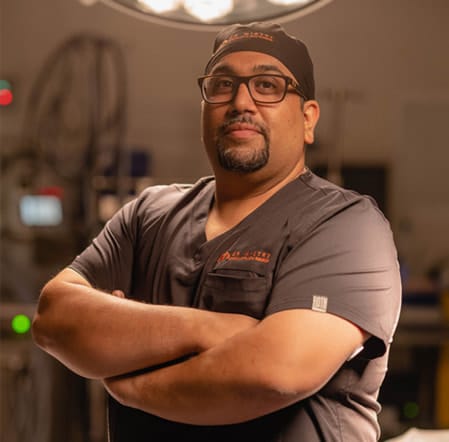
Dr Yezdi Mistry is a Specialist Plastic and Reconstructive Surgeon based in Newcastle, NSW. With extensive training and experience in both reconstructive and aesthetic surgery, Dr Mistry is committed to providing safe, evidence-based care that is tailored to each patient’s individual needs.
After completing his Fellowship of the Royal Australasian College of Surgeons (FRACS) in Plastic Surgery in 2013, Dr Mistry relocated to Newcastle with his family in 2015. He began his work as a Visiting Medical Officer (VMO) in Plastic and Hand Surgery at John Hunter Hospital before establishing his private practice in 2017. His practice offers a comprehensive range of reconstructive and aesthetic procedures for the breast, body, face, and skin.
Dr Mistry’s approach to patient care is grounded in trust, respect, and open communication. From initial consultation to recovery, he aims to ensure patients feel informed, supported, and comfortable throughout their surgical journey. He is dedicated to maintaining the highest professional and ethical standards in all aspects of his work.
To remain at the forefront of modern surgical techniques, Dr Mistry continues to pursue ongoing professional development both in Australia and internationally. He was Australia’s first delegate at the Body Contouring Academy in Paris, where he received advanced training in body contouring and skin-tightening techniques, including VASER and RENUVION technologies.
Fill in your details and our friendly team will be in touch with you
Please Note: Information provided on Dr Mistry’s website is provided as a basic guide, it does not constitute a diagnosis and should not be taken as medical advice. Any surgical or invasive procedure carries risks.



“I care because it’s my job as a surgeon, as a plastic surgeon, to do the appropriate thing and to give you a good outcome. I want to leave knowing that I can tell a patient, hand on heart, that I did the very best I could and that I looked after them, so when I see them post op later that day or the next morning, that they feel they were in good hands.”
– Dr Yezdi Mistry
Request a Consult
