
When it comes to plastic surgery, many people find the terminology confusing. Terms such as cosmetic surgery, reconstructive surgery, cosmetic surgeon, and plastic surgeon are often used interchangeably, yet they refer to distinct aspects of surgical practice. Understanding these differences is important for anyone considering surgery, whether to address a medical concern or to refine a particular feature.
As a Specialist Plastic and Reconstructive Surgeon based in Newcastle, NSW, Dr Yezdi Mistry regularly helps patients navigate these distinctions. His approach centres on patient education, informed consent, and individualised care. This guide provides a clear overview of the two key areas within plastic surgery, cosmetic and reconstructive, and explains how they relate to training, Medicare coverage, and professional accreditation in Australia.
Plastic surgery is a broad surgical specialty that involves the reconstruction, repair, or alteration of the human body. It encompasses two main categories: cosmetic surgery and reconstructive surgery. While both types of surgery may alter a person’s appearance, they serve different purposes and are guided by different medical principles.
Plastic surgery can involve a wide range of procedures, from addressing functional impairments caused by trauma, congenital conditions, or disease, to refining the appearance of certain areas through elective procedures. The unifying feature of plastic surgery is precision and attention to both form and function.
Cosmetic surgery, also referred to as aesthetic surgery, focuses on improving a person’s appearance according to their preferences. Unlike reconstructive surgery, these procedures are typically elective. They are not medically required but are chosen by the individual to refine or balance their physical features.
Common cosmetic procedures performed by Specialist Plastic Surgeons such as Dr Yezdi Mistry in Charlestown include:
Cosmetic surgery requires not only technical skill but also a detailed understanding of anatomical balance and proportion. Importantly, these procedures are performed only after a thorough consultation, where patients are encouraged to discuss their motivations and expectations openly.
Dr Mistry emphasises a patient-centred process that prioritises realistic outcomes and informed decisions. This includes detailed discussions about the benefits, limitations, and potential risks associated with each procedure.
Reconstructive surgery is performed to restore form and function to parts of the body affected by congenital deformities, trauma, cancer treatment, infection, or disease. Unlike cosmetic procedures, reconstructive surgery is often medically necessary to improve physical health or restore normal bodily function.
Examples of reconstructive procedures include:
In many cases, reconstructive surgery is a vital part of recovery, helping patients regain physical capabilities or improve their quality of life following illness or injury.
Dr Mistry has extensive experience in both reconstructive and hand surgery through his previous work as a Visiting Medical Officer at John Hunter Hospital and in his private practice in Charlestown. His reconstructive work often integrates aesthetic principles, ensuring that patients achieve both functional and visually refined outcomes.
While cosmetic and reconstructive surgery are distinct, there are situations where they overlap. For example, procedures performed after significant weight loss, such as skin removal surgery (lipectomy), may have both functional and aesthetic benefits. Similarly, breast reduction surgery can alleviate physical symptoms such as neck, back and shoulder discomfort while also modifying appearance.
This overlap highlights why it is important to consult a Specialist Plastic and Reconstructive Surgeon who has undergone comprehensive training in both areas. This ensures that each patient receives a treatment plan that takes into account both their medical requirements and personal goals.
One of the most common areas of confusion for patients involves which procedures may be eligible for Medicare or private health insurance rebates. In Australia, the Medicare Benefits Schedule (MBS) provides item numbers for procedures that are considered medically necessary.
It is important to note that Medicare does not cover elective cosmetic surgery. This includes surgery performed purely for aesthetic reasons. However, Medicare may contribute to the costs of procedures that are essential for a person’s health or function and meet the strict criteria outlined in the MBS.
Below is an overview of commonly referenced MBS item numbers relevant to plastic and reconstructive surgery. These item numbers are essential for patients seeking to claim rebates or access private health cover.
These item numbers are applicable under specific clinical circumstances and must meet Medicare’s defined criteria. Patients are advised to discuss their individual circumstances during consultation, as eligibility can vary depending on the condition and documented symptoms.
At Dr Yezdi Mistry’s practice in Charlestown, each case is assessed carefully in accordance with Medicare and private health guidelines to determine whether it qualifies as a reconstructive procedure under the MBS.
Another common source of confusion for patients is the distinction between a plastic surgeon and a cosmetic surgeon. Although the titles may sound similar, they represent different levels of training and accreditation.
A Specialist Plastic Surgeon is a medical doctor who has completed a minimum of 12 years of medical and surgical education, including at least five years of specialist postgraduate training in both reconstructive and cosmetic plastic surgery. In Australia, these surgeons hold a Fellowship of the Royal Australasian College of Surgeons (FRACS) in Plastic Surgery.
In contrast, the title “cosmetic surgeon” is not a recognised specialist qualification under the Australian Health Practitioner Regulation Agency (AHPRA). Doctors using this title may come from other medical backgrounds and may not have undergone accredited specialist training in plastic and reconstructive surgery.
When choosing a surgeon, patients are encouraged to check their practitioner’s registration through AHPRA’s public register and confirm that they are a FRACS-qualified Specialist Plastic Surgeon. This ensures that the surgeon has met the rigorous standards of education, clinical competence, and ethical practice required for this designation.
In Australia, two key professional bodies represent qualified plastic surgeons.
The ASPS is the main professional organisation for Specialist Plastic Surgeons in Australia. It promotes excellence, research, and high ethical standards in plastic and reconstructive surgery. Membership is limited to surgeons who have completed accredited specialist training and hold FRACS (Plastic Surgery).
The ASAPS is a related professional body that focuses specifically on the aesthetic aspects of plastic surgery. Its members are also Specialist Plastic Surgeons who have undertaken advanced training in cosmetic surgical techniques.
By selecting a surgeon who is a member of the ASPS and ASAPS, patients can be assured that their surgeon meets strict professional standards and is committed to ongoing education and best-practice care.
If you are considering plastic surgery, whether cosmetic or reconstructive, it is essential to consult a qualified and accredited Specialist Plastic Surgeon. The choice of surgeon plays a significant role in the quality and safety of your care.
Dr Yezdi Mistry, Specialist Plastic and Reconstructive Surgeon (BHB, MBChB, FRACS Plastic Surgery), provides comprehensive consultations in Charlestown, NSW. His practice focuses on tailored surgical planning and evidence-based care, ensuring that each patient is fully informed and supported throughout their surgical experience.
Dr Mistry’s background includes extensive hospital and private practice experience in both reconstructive and aesthetic plastic surgery. He continues to engage in international training and professional development, including participation at the Body Contouring Academy in Paris, where he received advanced instruction in body contouring and skin tightening techniques using VASER and Renuvion technologies.
At his Charlestown practice, Dr Mistry’s team is dedicated to maintaining high standards of patient care from initial consultation through to recovery. Each treatment plan is developed with a focus on medical appropriateness, anatomical understanding, and patient wellbeing.
Cosmetic surgery is elective and focuses on refining appearance according to a person’s preferences. Reconstructive surgery is performed to restore form or function after trauma, illness, or congenital conditions.
Medicare provides rebates for procedures that are medically necessary and listed on the Medicare Benefits Schedule (MBS). Your surgeon will assess your eligibility and documentation requirements during consultation.
Yes. Specialist Plastic Surgeons such as Dr Yezdi Mistry are trained in both areas during their accredited surgical training. This comprehensive background allows for a balanced approach to both functional and aesthetic outcomes.
In Australia, you should look for a surgeon who holds a FRACS (Plastic Surgery) qualification and is registered with AHPRA as a Specialist Plastic Surgeon. Membership in ASPS or ASAPS also indicates recognised professional standards and ongoing education.
Yes. The title “cosmetic surgeon” is not a recognised specialist qualification under AHPRA, while “Specialist Plastic Surgeon” refers to a doctor who has completed extensive accredited training through the Royal Australasian College of Surgeons.
Not always. Private health funds typically follow Medicare’s guidelines, so a procedure must meet the MBS criteria for medical necessity to qualify for rebates or hospital cover.
Recovery times vary depending on the procedure, the individual’s health, and the complexity of surgery. Your surgeon will provide detailed guidance on what to expect before and after the operation.
Yes. Due to recent legislative changes you will need a referral from your general practitioner to book all consultations with Dr Mistry. You will only receive a rebate from Medicare if the procedure you discuss with Dr Mistry attracts a Medicare Item number.
Absolutely. Many men seek both reconstructive and aesthetic procedures, such as correction of gynecomastia, rhinoplasty, or skin removal surgery after significant weight loss.
Not necessarily, but membership in these societies indicates that the surgeon meets high professional and ethical standards. It also ensures that they engage in ongoing training and adhere to evidence-based practice.
You can check your surgeon’s registration by visiting the AHPRA public register online and searching their name. This will confirm their qualifications, registration type, and any specialist endorsements.
Age alone does not determine suitability for surgery. Your overall health, skin condition, and medical history are more important factors when assessing surgical safety and outcomes.
A Specialist Plastic Surgeon performs breast reconstruction following mastectomy or trauma, using techniques that restore breast contour and symmetry while prioritising patient safety and function.
This depends on the reason for surgery. If the scar restricts movement or affects daily function, it is typically reconstructive. If performed for appearance alone, it may be considered cosmetic.
A lipectomy is a procedure to remove excess skin and tissue after significant weight loss. It can be performed on areas such as the abdomen, arms, or thighs and may qualify for Medicare if medical criteria are met.
VASER and Renuvion are technologies used by Specialist Plastic Surgeons to assist in precise body contouring and skin tightening. Suitability depends on the individual’s anatomy, health status, and treatment goals, which are assessed during consultation.
Yes. Many reconstructive procedures aim to restore movement, comfort, or normal structure, which can also result in aesthetic improvement. Both function and form are considered during planning.
All surgical procedures carry potential risks such as infection, bleeding, or delayed healing. Your surgeon will discuss these risks and provide strategies to reduce them before your operation.
It helps to write down your medical history, previous surgeries, and any specific questions you would like answered. Bringing relevant medical records or imaging can also assist in planning your treatment.
Yes. Dr Mistry provides consultations for both reconstructive and aesthetic procedures at his Charlestown practice. Each consultation is tailored to your specific needs and is conducted with a focus on safety, medical appropriateness, and patient understanding.
Understanding the difference between cosmetic and reconstructive surgery helps patients make informed healthcare decisions. Both fields fall under the discipline of plastic surgery but serve different purposes. Reconstructive surgery focuses on restoring form and function, while cosmetic surgery focuses on refining appearance according to personal preference.
When considering surgery, patients should take the time to:
Choosing a Specialist Plastic Surgeon such as Dr Yezdi Mistry ensures that patients receive care from a fully accredited professional with advanced training in both reconstructive and cosmetic procedures.
At his Charlestown practice, Dr Mistry prioritises open communication and patient education, helping individuals make thoughtful, informed choices about their care and treatment options.
Specialist Plastic and Reconstructive Surgeon | BHB, MBChB, FRACS (Plastic Surgery)
Registration No. MED0001861566
Dr Mistry is a board-certified Specialist Plastic Surgeon practising in Charlestown, NSW. With extensive training in both reconstructive and aesthetic procedures, he offers patient-focused care built on clinical excellence, ethical standards, and a commitment to ongoing education.
Patients often ask how Medicare applies to specific operations. You may find the following guides helpful:
Body and Weight-Loss Related Procedures
Breast Procedures
Face and Upper Body Procedures
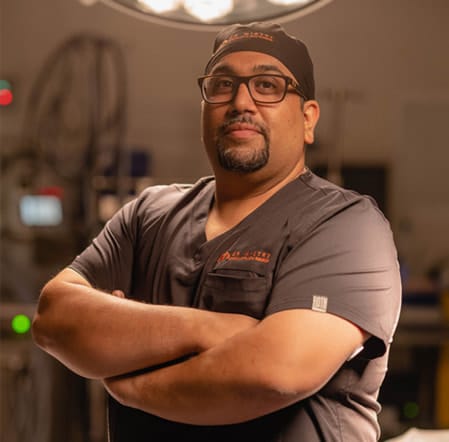
Dr Yezdi Mistry is a Specialist Plastic and Reconstructive Surgeon based in Newcastle, NSW. With extensive training and experience in both reconstructive and aesthetic surgery, Dr Mistry is committed to providing safe, evidence-based care that is tailored to each patient’s individual needs.
After completing his Fellowship of the Royal Australasian College of Surgeons (FRACS) in Plastic Surgery in 2013, Dr Mistry relocated to Newcastle with his family in 2015. He began his work as a Visiting Medical Officer (VMO) in Plastic and Hand Surgery at John Hunter Hospital before establishing his private practice in 2017. His practice offers a comprehensive range of reconstructive and aesthetic procedures for the breast, body, face, and skin.
Dr Mistry’s approach to patient care is grounded in trust, respect, and open communication. From initial consultation to recovery, he aims to ensure patients feel informed, supported, and comfortable throughout their surgical journey. He is dedicated to maintaining the highest professional and ethical standards in all aspects of his work.
To remain at the forefront of modern surgical techniques, Dr Mistry continues to pursue ongoing professional development both in Australia and internationally. He was Australia’s first delegate at the Body Contouring Academy in Paris, where he received advanced training in body contouring and skin-tightening techniques, including VASER and RENUVION technologies.
Professional Memberships:
Fill in your details and our friendly team will be in touch with you
Please Note: Information provided on Dr Mistry’s website is provided as a basic guide, it does not constitute a diagnosis and should not be taken as medical advice. Any surgical or invasive procedure carries risks.



“I care because it’s my job as a surgeon, as a plastic surgeon, to do the appropriate thing and to give you a good outcome. I want to leave knowing that I can tell a patient, hand on heart, that I did the very best I could and that I looked after them, so when I see them post op later that day or the next morning, that they feel they were in good hands.”
– Dr Yezdi Mistry
Request a Consult
