- Closed as of Wednesday, 24th Dec 2025, re-opening Friday, 16th January 2026
- Request a Consultation for 2026

Lower body lift surgery is a comprehensive operation that addresses redundant skin and soft tissue around the abdomen, flanks, hips and buttocks. It is most often considered after major weight change, when skin has stretched beyond its ability to retract and is causing practical difficulties with clothing, hygiene or movement. Because the operation treats the torso as a whole, recovery is more involved than with smaller body contouring procedures. Clear information, thoughtful preparation and steady follow up make the difference between a difficult experience and a well organised one. This article explains the recovery pathway in detail, using current surgical principles and the practical routines that Dr Yezdi Mistry follows in Charlestown, NSW. The aim is to help you understand how the body heals, what the first weeks look like, and how to plan a timetable that respects both safety and daily life.
A lower body lift is a circumferential operation. The incision typically runs around the waistline so that the front of the abdomen, the outer thighs, the hips and the buttock region can be treated in a single, coordinated procedure. Redundant skin and underlying fat are removed in measured amounts, deeper tissues are tightened, and the remaining skin is re-draped to give a more stable contour. Liposuction may be used as an adjunct where tissue thickness needs to be reduced. The approach is tailored to each person’s anatomy, skin quality and health status. The extent of internal work explains why recovery takes time. Skin, fat and the fibrous layers that connect them all need to reattach, swelling must resolve, and scars must mature. Expect recovery to unfold in stages rather than as a single step.
Healing follows a predictable pattern. Inflammation dominates the first week as the body protects the surgical area and begins sealing small vessels and lymphatics. This is when swelling and bruising are most obvious and when rest, elevation and compression are most helpful. The second and third weeks are a period of proliferation, with new collagen deposited along the incision line and within the deeper layers. Strength returns gradually, although the new tissue is still immature and vulnerable to excessive tension. From six to twelve weeks, remodelling becomes the main activity. Collagen fibres realign, the tissues become more resilient and swelling continues to diminish. Scar maturation then continues for many months. Understanding these phases helps set sensible boundaries around activity, lifting and exercise.
Immediately after surgery, you will wake in recovery with monitors attached and a nursing team focused on comfort and safety. Multimodal pain control is standard, using a combination of medicines that work through different mechanisms so that lower doses of any single drug are required. You will be positioned with the hips flexed and the upper body slightly elevated. This posture reduces tension on the incision and makes it easier to move. Drains may be used to remove fluid from beneath the skin. Their purpose is to limit seroma, which is a pocket of clear fluid that can slow the healing process. Some patients are suitable for internal quilting sutures that reduce the need for drains. Your individual plan is discussed beforehand so you know what to expect.
Early movement is part of the routine. With supervision you will take short, assisted walks, usually on the first evening or the following morning. This supports lung function and lowers the risk of blood clots in the legs. Deep breathing exercises, ankle pumps and gentle standing breaks continue over the hospital stay. A compression garment is fitted when appropriate and will be worn most hours of the day in the early weeks. Discharge is considered once pain is controlled, oral intake is steady and it is safe to manage dressings at home. Before leaving, you receive written instructions that cover wound care, medicines, garment use and your first clinic review in Charlestown.
The first fortnight is about protection and routine. Keep dressings dry and intact unless you have been given specific showering instructions. The garment should feel supportive but not restrictive. A slight forward bend when standing and a reclined sleeping posture with pillows under the knees help reduce tension across the incision. Short, frequent walks around the home are encouraged because steady movement reduces stiffness and supports circulation. Heavy lifting, bending from the waist, twisting and deep squats should be avoided. Plan simple meals that are high in protein, include iron rich foods and provide regular hydration. If you have had bariatric surgery in the past, maintain your prescribed vitamins and discuss any concerns with Dr Mistry so that supplementation is appropriate for your current needs.
Fatigue is common during this time. It is not a sign of something wrong. The body is spending energy on repair and on clearing fluid from the tissues. Many people find it helpful to structure the day in blocks with planned rests between short activities. A quiet environment, help with shopping and childcare, and transport support for appointments make the fortnight smoother for you and for those assisting you.
By the third week most people notice that sitting and standing are easier and that walking distances increase without the sense of tightness felt earlier. Swelling usually begins to trend down, although mornings can still feel puffy and afternoons may still feel heavy. The garment remains important as it provides uniform pressure that supports the healing layers while lymphatic channels re-establish. Desk based work is often feasible by week three or four if the commute is short and there is flexibility to change position regularly. Roles that require physical effort generally need more time.
Scar care typically begins once the incision is sealed. Silicone gel or sheeting can be introduced and is used consistently for several months. Sun protection is essential in the Australian climate because ultraviolet exposure can darken a fresh scar. Any patchy numbness or altered skin sensation usually improves over time as small sensory nerves adapt. It is important not to overinterpret every small change at this stage. Tissue behaviour is fluid for several weeks and day to day variations are expected.
At six weeks the deeper layers have gained strength and the range of allowable activity widens. Low impact cardiovascular exercise such as brisk walking or an exercise bike is usually appropriate. Light resistance work can begin in stages, leaving core training and heavy lifts for later in the timetable. Swimming may be permitted when the incision is fully healed and there is no open area. The principle is progressive loading. Add one variable at a time, observe how the body responds over forty eight hours, then advance if there is no soreness, swelling spike or change in the incision. If your work involves manual tasks, plan a graded return with your employer so that duties and hours increase in a measured way. Dr Mistry will advise on pacing during your six and eight week reviews.
By three months the contour has settled and most swelling has resolved. You will feel more agile and able to handle a normal week without needing naps or extended rests. The garment is often discontinued by now unless there is a specific reason to continue. Scars move through a period of thickening and colour change before they soften and fade. This is normal biology. Ongoing silicone therapy, massage of firm areas and sun protection remain helpful through the first year. If small contour irregularities are present, they are usually reviewed at later visits once the tissues have completed a full cycle of healing. Any discussion of refinements is deferred until the scar is mature so that decisions are based on a stable baseline.
Pain is usually steady in the first week and improves with each day. Multimodal medicine reduces reliance on strong tablets, which in turn lowers the chance of constipation and nausea. Take medicines on schedule, not only when discomfort peaks. Sleep is easier when you create a simple routine. Keep the bedroom cool, set an alarm for overnight medicines if needed, and position pillows to support the knees and sides. If you sleep on your side, a pillow between the knees reduces rotation through the pelvis and can make the incision line feel more settled. Avoid alcohol while taking prescription pain relief and do not drive until Dr Mistry confirms it is safe to do so and you feel fully capable of an emergency stop without hesitation.
If drains have been used, they are removed when the output is low and the fluid is clear. The nursing team will show you how to record volumes at home. Keep the tubing secure during sleep and showers. A small, temporary increase in drainage with activity is not unusual. If a seroma develops after drains are removed, it is usually managed in the clinic with a simple aspiration. Compression garments play a role across the early weeks. They help the skin and deeper layers adhere smoothly, limit swelling and provide comfortable support while you move. Choose a garment that fits well, is easy to wash and dry, and does not fold or cut in at the edges.
Tissue repair is a resource intensive process. Aim for regular protein across the day rather than a single large serve, as frequent intake supports collagen synthesis more effectively. Include iron, zinc, vitamin C and vitamin A rich foods unless you have a medical reason to limit them. Hydration reduces the sense of heaviness in the afternoon and supports circulation. If you follow a specific diet after bariatric surgery, discuss any adjustments with Dr Mistry so your plan aligns with your current medical needs. Many people benefit from preparing meals ahead of time so that the first fortnight does not demand prolonged cooking or shopping trips.
Smoking and nicotine products impair blood flow to the skin and delay healing. They also increase the chance of wound separation, infection and poor scarring. Dr Mistry recommends strict avoidance before and after surgery. If quitting is difficult, seek support early so that a plan is in place well ahead of the operation date. Alcohol is best limited until stronger medicines are no longer required and sleep patterns have normalised. Both choices influence recovery more than most people realise.
Desk work can often resume between three and six weeks if the workload is adjustable and there is control over posture and breaks. Driving is considered once you are no longer taking strong pain medicines and you can move freely enough to perform an emergency stop without hesitation. Lifting is restricted in the early months. Think about practical tasks at home and arrange help for groceries, laundry and childcare. A small amount of planning prevents common setbacks such as sudden twisting while carrying a basket or leaning forward to lift a heavy bag.
Most recoveries are steady, but it is important to know when to call the clinic. Increasing pain that does not settle with prescribed medicine, redness that spreads, discharge with an odour, a persistent new swelling or a fever warrant prompt review. Shortness of breath or chest pain requires urgent medical attention. Early contact is always the right choice. Small issues are easier to manage when they are identified at the start. Your follow up timetable in Charlestown is designed with this in mind, with early visits in the first fortnight and spaced reviews thereafter.
Healing is physical, but it also involves adjustment to change. It takes time to recognise the new outline in the mirror, and sensation along the incision can feel unfamiliar for several months. Energy levels fluctuate as work and exercise return. These experiences are normal. Dr Mistry encourages open conversation at follow up so questions can be addressed directly. Some people find it helpful to delay judging results until the three month mark when swelling has settled and the body feels more like itself. Patience is not always easy, yet it is central to this type of recovery.
Stable weight supports a stable outcome. Significant gain or loss after surgery can alter skin tension and body proportions. Choose habits that are sustainable rather than short term. Regular activity, balanced meals and adequate sleep form the foundation. If weight has been difficult to manage in the past, consider structured support through your general practitioner or a dietitian so that maintenance is realistic. The goal is not perfection. The goal is a body that feels comfortable to live in and straightforward to care for.
Recovery is a partnership. Before surgery, the consultation covers your health history, medicines, previous operations and day to day demands so that timing is sensible and risks are understood. The consent discussion is detailed and written information reinforces what is covered in person. On the day, operative plans are confirmed and photographs are taken for your confidential medical record. After surgery, the team stays in contact, reviews are scheduled and there is a clear pathway to reach the clinic if you are unsure about anything. This structure helps you focus on rest and routine rather than logistics.
A practical way to think about timing is to plan in seasons rather than days. The first fortnight is for protection, rest and very gentle movement. Weeks three to six are for increasing routine, steady walking and careful reintroduction of work that does not involve lifting. Weeks six to twelve are for progressive exercise and broader daily activity. Months three to twelve are for refinement, scar care and long term habits. These are guideposts, not promises. Your body sets the final pace, and your plan is adjusted at follow up so that progress is steady without unnecessary risk.
Most people begin to stand fully upright within one to two weeks, once tension across the front of the abdomen has eased. Early walking with a slight bend at the hips helps protect the incision while tissues adjust.
Compression garments help control swelling, support healing tissues and reduce fluid build-up under the skin. Consistent use also helps the skin adhere smoothly to the new contour.
Yes. Small variations in swelling or tightness between sides are common and usually settle as tissues relax and scars mature over several months.
Most numbness lessens gradually within three to six months as small sensory nerves recover. Some areas may remain slightly altered in sensation long term but do not usually interfere with comfort or movement.
Many patients notice mild tightness or tingling in cooler weather or when humidity changes. These sensations are temporary and related to how maturing scar tissue reacts to temperature shifts.
Driving can usually resume once you no longer need prescription pain medicine and can move freely enough to perform an emergency stop safely. This typically occurs around three to four weeks, depending on individual progress.
Gravity and daily movement cause fluid to collect in the lower tissues as the day progresses. Wearing compression garments and taking short rest breaks with legs elevated can help manage this pattern.
Short local trips are fine once walking is comfortable, but long-distance or air travel should wait until you are fully mobile and cleared by your surgeon. Prolonged sitting too early increases swelling and clot risk.
Gentle walking and low-impact aerobic activity help circulation and overall wellbeing. Strength training should be reintroduced gradually after about eight to twelve weeks with your surgeon’s approval.
Healthy scars are closed, dry and gradually fading from red to pale. If you notice increasing redness, tenderness or fluid, it is best to contact Dr Mistry’s clinic for review and reassurance.
Recovery after a lower body lift is a measured process that rewards preparation and consistency. The hospital phase focuses on comfort, early movement and clear instructions. The first fortnight at home establishes routine and protects the incision. Weeks three to six bring growing ease with daily activities and the start of scar care. By twelve weeks, most people have returned to normal patterns of work and exercise, although fine tuning continues for many months as scars mature. Throughout, communication with your surgical team is central. Ask questions, report changes promptly and keep scheduled visits. These simple actions keep recovery on track.
Dr Yezdi Mistry is a Specialist Plastic and Reconstructive Surgeon based in Charlestown, New South Wales. His approach is careful, evidence informed and centred on the individual circumstances of each patient. If you are considering this operation, a consultation offers the chance to discuss your medical history, examine the areas of concern and plan a recovery timetable that fits your responsibilities at home and at work. The information in this article is general and does not replace a personal medical assessment. Your recovery will be planned with you, not for you, and it will reflect your health, your goals and the practical realities of your life.
Dr Yezdi Mistry
Specialist Plastic and Reconstructive Surgeon
BHB, MBChB, FRACS Plastic Surgery
Charlestown, New South Wales, Australia
Charlestown Consulting Rooms
Suite 312, Level 3
99 Pacific Highway
Charlestown NSW 2290
Phone: 02 4062 7888
Email: admin@drmistry.com.au
Website: www.drmistry.com.au
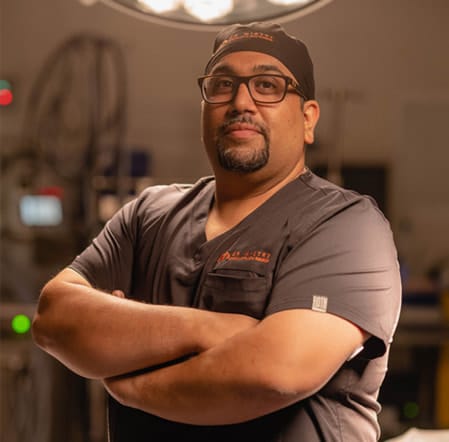
Dr Yezdi Mistry is a Specialist Plastic and Reconstructive Surgeon based in Newcastle, NSW. With extensive training and experience in both reconstructive and aesthetic surgery, Dr Mistry is committed to providing safe, evidence-based care that is tailored to each patient’s individual needs.
After completing his Fellowship of the Royal Australasian College of Surgeons (FRACS) in Plastic Surgery in 2013, Dr Mistry relocated to Newcastle with his family in 2015. He began his work as a Visiting Medical Officer (VMO) in Plastic and Hand Surgery at John Hunter Hospital before establishing his private practice in 2017. His practice offers a comprehensive range of reconstructive and aesthetic procedures for the breast, body, face, and skin.
Dr Mistry’s approach to patient care is grounded in trust, respect, and open communication. From initial consultation to recovery, he aims to ensure patients feel informed, supported, and comfortable throughout their surgical journey. He is dedicated to maintaining the highest professional and ethical standards in all aspects of his work.
To remain at the forefront of modern surgical techniques, Dr Mistry continues to pursue ongoing professional development both in Australia and internationally. He was Australia’s first delegate at the Body Contouring Academy in Paris, where he received advanced training in body contouring and skin-tightening techniques, including VASER and RENUVION technologies.
Fill in your details and our friendly team will be in touch with you
Please Note: Information provided on Dr Mistry’s website is provided as a basic guide, it does not constitute a diagnosis and should not be taken as medical advice. Any surgical or invasive procedure carries risks.



“I care because it’s my job as a surgeon, as a plastic surgeon, to do the appropriate thing and to give you a good outcome. I want to leave knowing that I can tell a patient, hand on heart, that I did the very best I could and that I looked after them, so when I see them post op later that day or the next morning, that they feel they were in good hands.”
– Dr Yezdi Mistry
Request a Consult
