Gynaecomastia is the enlargement of glandular breast tissue in males. It can be unilateral or bilateral and it often involves a mix of gland and fat. When surgery is chosen after careful assessment, the experience does not end in the operating theatre. Recovery is a structured period of healing, review, and supported return to daily life. At his Charlestown practice in Newcastle, Dr Yezdi Mistry, Specialist Plastic & Reconstructive Surgeon, provides individualised plans that explain what to expect and how to care for yourself so that healing progresses steadily and risks are managed.
This article has one purpose. It gives you a clear, realistic roadmap for recovery after gynaecomastia surgery. You will find practical information on the first days at home, how to manage a compression garment, ways to pace activity, and how scars mature over time. You will also see where individual variation matters and why ongoing communication with your surgical team is central to optimal healing.
Most patients go home the day of surgery once their observations are stable and pain relief is established. A few may stay overnight if the procedure is extensive or if medical monitoring is required. A compression garment is put in place at the end of surgery to support tissues, limit swelling, and help the skin settle. Some patients will have small drains that remove fluid from the wound area. If used, these are generally removed within a few days once drainage is low.
Expect a tight, pressure like sensation across the chest and some bruising. These are normal inflammatory responses. Pain is generally manageable with prescribed medication taken as directed. Staying ahead of discomfort is more effective than chasing it later, so follow the schedule your surgeon provides for pain medication. Sip water frequently unless otherwise advised and choose light meals that are easy to digest on the first day.
Plan your living space before surgery. Keep essential items at waist level so you are not reaching overhead. Prepare a resting area with two or three pillows to create a slight incline. Sleeping a little elevated can reduce swelling in the early days. Short, frequent walks around the house help circulation and can lower the risk of blood clots, but heavy lifting and vigorous arm movements should wait until you are cleared to resume them.
Dr Yezdi Mistry’s team in Charlestown will give you written instructions that cover medications, garment care, wound care, and emergency contacts. Keep them on your bedside table, and tick items off as you complete them. If anything is unclear, phone the practice for advice rather than guessing.
Swelling is usually most noticeable on days two to four. This can be surprising if you felt comfortable on day one, but it is part of normal tissue physiology. Keeping the compression garment on as directed is the single most useful step you can take. The garment provides uniform pressure that counters fluid accumulation and supports the healing layers beneath the skin.
If your procedure involved dissolving sutures, you may only need dressing changes. If you have sutures that require removal, this is usually done at an early follow up appointment. Do not apply creams, oils, or adhesive tapes unless they have been recommended for your specific case. The chest is sensitive in the first week and products that are useful later can be counterproductive too early.
Gentle arm movements within a comfortable range are encouraged. Think of it as keeping the joints moving without loading the chest. Overhead lifting, pushing, pulling, or carrying heavy items are postponed. You may notice areas of firmness or small ridges under the skin. These often represent healing tissue and usually soften over the coming weeks.
Hydration matters. Aim for regular water intake and include a source of protein with each meal to support repair. Avoid smoking and nicotine in any form because they reduce skin blood flow and can delay healing. If you have questions about pain medication or feel nauseated, contact the practice for advice. Small adjustments can make the first week easier.
By the second week, most people feel more mobile and start to settle into a routine. Bruising fades and tightness eases. The garment is still important. Many patients wear it full time for at least two to three weeks, then part time as advised. Consistent use helps the skin sit smoothly and can reduce the chance of irregular swelling.
Returning to desk based work is often possible between one and two weeks if your job does not involve lifting, repeated overhead reaching, or physical strain. Driving can resume when you are off strong pain medication, can perform an emergency stop without hesitation, and can turn the wheel and shoulder check without discomfort. That point varies between individuals. Safety is the priority.
Sleep remains on your back or slightly inclined if comfortable. If you are naturally a side sleeper, a soft pillow tucked along the torso can provide support and reduce rolling. Showering is usually allowed only if dressings are waterproof or have been removed, but avoid baths, spas, or swimming until your surgeon confirms that the wounds are sealed.
During this phase, Dr Yezdi Mistry reviews your progress at planned appointments in Newcastle. These visits are practical checkpoints. The team assesses wounds, checks for fluid collections, confirms garment fit, and answers specific questions about work, sport, and travel. The aim is to support your return to normal activities in a paced, safe way rather than rushing because a calendar date has arrived.
Activity increases gradually. Light walking has usually been ongoing. Around week four, many patients begin low impact cardio such as cycling on a stationary bike or a brisk walk outdoors, provided this does not cause chest discomfort. Upper body exercise returns later. A common sequence is lower body and core first, then gentle pulling movements, then pushing movements last. The pectoral muscles take time to settle and should not be loaded early.
If weight training is part of your routine, start with very light resistance and higher repetitions. Avoid movements that create deep stretch through the chest wall such as wide grip bench press until cleared. Allow at least 48 hours between chest focused sessions to give tissues time to recover. If your job is physically demanding, request a staged return plan. It is reasonable to begin with modified duties before resuming full tasks.
Avoid contact sports until your surgeon confirms that the healing is sufficiently mature. A direct blow to the chest or uncontrolled traction on the arms is unhelpful in the early months. If you surf, climb, or participate in overhead sports, ask for specific timelines. It is better to wait a little longer than to aggravate healing tissue with a single enthusiastic session.
Incisions for gynaecomastia surgery are often positioned along the border of the areola or within a natural crease. Early scars are pink and may feel slightly raised or firm. Over months they flatten and fade as collagen remodelling progresses. Consistency is key. Sun protection is essential because ultraviolet exposure can darken scars and prolong redness. Use clothing coverage or a broad spectrum sunscreen once the skin is intact and your surgeon confirms it is appropriate.
Your surgeon may recommend silicone gel or silicone sheets once the superficial layer has sealed. These products support hydration in the scar microenvironment and can help limit thickening. Massage is a tool that is sometimes introduced later to improve mobility. The timing depends on your case. Start only when advised because early pressure can disrupt delicate attachments during the first weeks.
Some people are prone to thicker scars due to genetics or local tension. If an incision appears to be thickening, let the practice know. Early review is valuable. Options such as silicone, taping to reduce tension, or later treatments can be considered. Patience matters. Scar evolution is measured in months rather than weeks.
Sensation in the nipple areolar complex can change after surgery. Some people notice reduced sensation or altered sensitivity. Many recover gradually over weeks to months as nerve fibres adapt. A degree of persistent change is possible. Discuss this openly at your consultations so expectations are aligned with your individual situation.
Areas of firmness under the skin are common in the early months. They often relate to swelling and healing tissue rather than residual gland. They usually soften with time. Gentle movement, appropriate garment use, and a graded return to activity help. If a firm area grows, becomes painful, or appears fluid filled, contact the practice for assessment.
The goal through this phase is steady, uncomplicated healing. Final contour takes time to settle as the skin redrapes and swelling resolves. A realistic horizon for the chest to feel stable and natural is six to twelve months, though many people feel comfortable far earlier.
Your body repairs on a timetable influenced by the quality of the inputs you provide. Aim for regular meals with protein at each sitting, colourful vegetables for micronutrients, and whole grains for sustained energy. If you have dietary restrictions, plan ahead so your pantry supports recovery rather than forcing last minute choices.
Sleep is a potent recovery tool. Establish a pre sleep routine that avoids screens for the last hour, keeps the room dim, and includes a brief stretch of your calves and ankles to promote circulation. Short daytime walks are equally useful. Five minutes each waking hour in the first few days can be more effective than a single long walk.
Alcohol intake should be modest and only once your medication plan permits it. Nicotine in any form is discouraged because of its effects on blood supply and collagen. If you need help stopping, ask the practice for resources. You are not expected to do this alone.
Take prescribed medicines exactly as directed. If you miss a dose of an antibiotic or pain medication, follow the written plan or call the practice. Do not restart gym supplements, herbal products, or over the counter anti inflammatories without checking. Some can affect bleeding risk or interact with prescriptions.
If you have a history of clotting disorders, sleep apnoea, or other medical conditions, keep your general practitioner informed and attend all follow up visits. Recovery after gynaecomastia surgery is usually straightforward, yet good communication across your care team improves safety.
Many people return to desk work within one to two weeks, provided they can take short movement breaks and avoid lifting. If your work involves manual handling, climbing, or heavy tools, discuss a staged plan before surgery. A short period of modified duties protects the healing chest and lowers the likelihood of a setback.
If you study or care for young children, arrange help for the first week so you do not need to lift or carry repeatedly. Preparing meals in advance and organising school runs or activities with family or friends reduces stress. Planning is a form of care. It makes space for rest and reduces the temptation to push too soon.
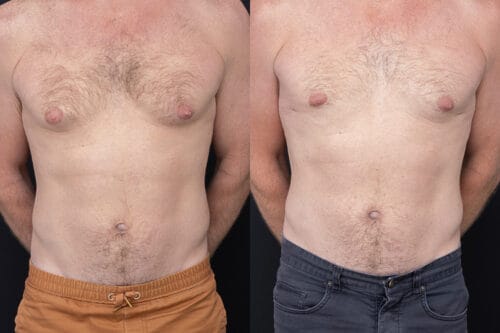

The outcomes shown are specific to those patients and may not reflect the results experienced by others, as individual outcomes can vary due to a range of factors.
Surgery can bring a range of feelings. Relief that a long standing concern is being addressed. Anticipation about how the chest will look once swelling settles. Frustration during the slower parts of healing. All of these are common. Normalising them helps. Dr Yezdi Mistry and his team in Newcastle encourage patients to ask questions, share concerns, and attend every planned review. Support is not only about dressings and garments. It is about being heard and having clear next steps.
If you find sleep or mood is affected, let the team know. Practical changes such as adjusting pain medication timing, adding a short afternoon walk, or revising your pillow setup can improve comfort. If you would like more structured support, ask for resources. Many people benefit from straightforward strategies like guided breathing or a brief writing routine in the evening to organise thoughts.
Make contact promptly if you notice rapidly increasing swelling, persistent bleeding, discharge with an odour, a spreading area of redness, a fever, or pain that is not controlled by your prescribed plan. These signs do not automatically mean something serious is happening, but they do warrant a check. Early assessment allows simple issues to be managed before they become bigger problems.
If your garment feels too tight in one area, if a strap rubs, or if you are unsure about how to position it, bring it to your follow up or send a clear photo to the practice for guidance. Small adjustments in fit can make a large difference in comfort and even pressure.
If you are considering air travel, discuss timing with your surgeon. Short domestic flights are sometimes possible after the early review period if there are no concerns, but sitting still for long periods is not ideal in the first weeks. If travel is essential, plan frequent walks down the aisle and maintain hydration. For important events, allow generous time between surgery and the date. Healing has its own pace. Buffer time lowers stress and improves your experience.
Every chest is unique. The extent of gland removal, the amount of fat addressed with liposuction, and the behaviour of the skin all influence the final shape. Younger patients or those with firm skin may see faster redraping. Individuals with laxity may notice a slower change in the first months. Some people will have small differences between sides due to natural asymmetry that existed before surgery. These are normal human variations.
A small group of patients will benefit from a secondary refinement once healing is complete. This is not a sign that anything went wrong. It reflects careful observation and a desire to address a specific detail that only becomes clear once swelling has fully resolved. Decisions like this are made together after a measured review of photographs, examination findings, and your goals.
At each stage of recovery, the focus is on clarity, predictability, and access to help. Before surgery you receive instructions tailored to your health, medications, and lifestyle. On the day, the operative plan is reviewed and garment sizing is checked. After surgery, early reviews confirm that swelling and wounds are behaving as expected. Subsequent appointments in Newcastle address exercise, work, travel, and scar care, and they continue until healing is mature.
Dr Yezdi Mistry, Specialist Plastic & Reconstructive Surgeon, brings a consistent approach across this pathway. The aim is not to rush you. It is to guide you through each step with explanations that make sense and a plan that fits your life. Patients often comment that having a clear structure lowers uncertainty and helps them participate actively in their own recovery.
It is best to sleep on your back for the first few weeks to avoid putting pressure on the chest. Once swelling settles and your surgeon confirms it is safe, you can gradually return to your usual sleeping position.
Some temporary numbness or tingling is common as nerves recover. Sensation usually improves over several months, but in a small number of cases mild changes can persist.
Removing the garment before the advised period can increase swelling and may affect how evenly the skin settles. It is safest to follow your surgeon’s recommended duration of wear.
Light cardio can often resume after four weeks, but chest workouts and heavy lifting should wait until at least six to eight weeks or until your surgeon approves. Early strain may disrupt healing.
A small degree of fluctuation is possible as tissues remodel, but significant new swelling should be checked by your surgeon. Persistent or increasing swelling may indicate fluid collection or another issue that requires review.
Most patients do not, but a few may consider refinement once full healing is complete. This may involve adjusting contour irregularities, residual tissue, or minor skin laxity.
Yes. Physical healing and emotional adjustment often occur together. Feelings of impatience or uncertainty are common and usually improve as the chest stabilises and activity returns to normal.
Avoid direct sun exposure and swimming until incisions are fully healed. Sun can darken scars, and pools or salt water can irritate early wounds.
The chest appears flatter right away, but swelling and bruising initially obscure the final outcome. True results become clearer after several months as tissues soften and contour refines.
Short car trips are fine once you are comfortable moving your arms. Long flights or extended travel should wait until your surgeon confirms you can safely manage sitting time and garment use.
If you are considering surgery for gynaecomastia and would like to understand the recovery process in the context of your health, your job, and your goals, a consultation provides the right setting for a detailed discussion. In this appointment you can review your medical history, ask specific questions about timelines, and see how aftercare is tailored at the Charlestown practice. Meeting your surgeon and team helps you plan with confidence in the process rather than relying on general information.
Appointments are available at Dr Mistry’s Charlestown rooms for patients from Newcastle and the Hunter region. If you would like to discuss your situation, the team is ready to help you prepare for surgery and to guide you through each step of recovery with clear, practical support.
Charlestown Healthcare Hub
Suite 312, Level 3
99 Pacific Highway
Charlestown NSW 2290
Phone: 02 4062 7888
Email: admin@drmistry.com.au
Website: www.drmistry.com.au
Consultations are available by appointment at Dr Mistry’s Charlestown practice, serving patients across Newcastle and the Hunter region.
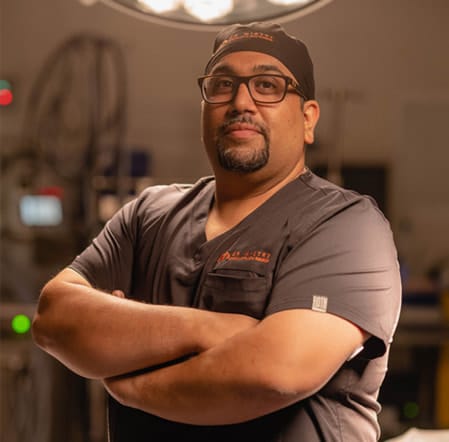
Dr Yezdi Mistry is a Specialist Plastic and Reconstructive Surgeon based in Newcastle, NSW. With extensive training and experience in both reconstructive and aesthetic surgery, Dr Mistry is committed to providing safe, evidence-based care that is tailored to each patient’s individual needs.
After completing his Fellowship of the Royal Australasian College of Surgeons (FRACS) in Plastic Surgery in 2013, Dr Mistry relocated to Newcastle with his family in 2015. He began his work as a Visiting Medical Officer (VMO) in Plastic and Hand Surgery at John Hunter Hospital before establishing his private practice in 2017. His practice offers a comprehensive range of reconstructive and aesthetic procedures for the breast, body, face, and skin.
Dr Mistry’s approach to patient care is grounded in trust, respect, and open communication. From initial consultation to recovery, he aims to ensure patients feel informed, supported, and comfortable throughout their surgical journey. He is dedicated to maintaining the highest professional and ethical standards in all aspects of his work.
To remain at the forefront of modern surgical techniques, Dr Mistry continues to pursue ongoing professional development both in Australia and internationally. He was Australia’s first delegate at the Body Contouring Academy in Paris, where he received advanced training in body contouring and skin-tightening techniques, including VASER and RENUVION technologies.
Fill in your details and our friendly team will be in touch with you
Please Note: Information provided on Dr Mistry’s website is provided as a basic guide, it does not constitute a diagnosis and should not be taken as medical advice. Any surgical or invasive procedure carries risks.



“I care because it’s my job as a surgeon, as a plastic surgeon, to do the appropriate thing and to give you a good outcome. I want to leave knowing that I can tell a patient, hand on heart, that I did the very best I could and that I looked after them, so when I see them post op later that day or the next morning, that they feel they were in good hands.”
– Dr Yezdi Mistry
Request a Consult
