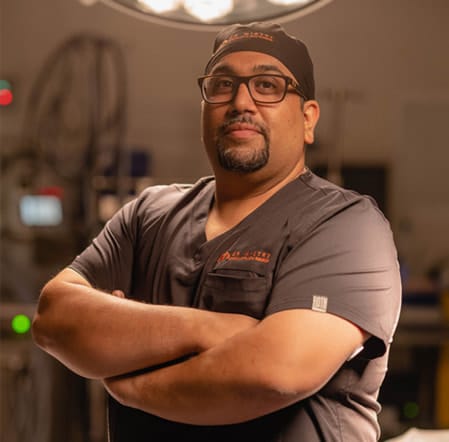
Gynaecomastia surgery is a procedure performed by Dr Yezdi Mistry, Specialist Plastic and Reconstructive Surgeon (BHB, MBChB, FRACS Plastic Surgery), based in Charlestown, NSW. The surgery is designed for men with persistent enlargement of breast tissue that has not improved with observation, lifestyle changes or medical review. Depending on the underlying cause, the procedure may involve removal of firm glandular tissue, targeted removal of fatty tissue using specialised liposuction techniques, or a combination of both approaches. This distinction is important when understanding the difference between true gynaecomastia vs pseudogynaecomastia. Dr Mistry assesses the proportion of glandular versus fatty tissue, skin quality and the overall chest anatomy to determine which technique or combination of techniques is most appropriate.
Gynaecomastia surgery is performed in accredited hospital facilities under general anaesthesia. Incisions are planned carefully, often placed around the areola or within discreet areas of the chest, depending on the surgical needs identified during consultation. A compression garment is worn after surgery to support the chest as swelling settles, and follow-up appointments are scheduled to review healing and progress over time. Dr Mistry provides clear explanations about each operative step so that patients understand what the procedure can address and what factors may influence the final outcome.
Frequently Asked Questions About Gynaecomastia in Newcastle NSW
Candidacy and Safety FAQs
Who may be considered a suitable candidate for surgery?
Men who have persistent enlargement of the breast area that has not improved with time, lifestyle measures or medical assessment may be considered for surgery. Suitability requires a thorough evaluation with Dr Mistry, who reviews medical history and contributing factors. The aim is to determine whether surgery is appropriate and whether another underlying cause requires attention first.
Is there an ideal age to consider this procedure?
Most individuals are adults, as breast tissue changes during puberty often settle on their own. Younger patients may be considered only after stability of breast tissue has been confirmed. Dr Mistry ensures the timing is clinically appropriate before recommending any operative approach.
How does Dr Mistry assess whether enlarged breast tissue is glandular or fatty?
During consultation, Dr Mistry performs a clinical examination to distinguish between glandular tissue, fatty tissue or a combination. In some cases, imaging may help clarify the underlying cause. This assessment guides the surgical approach used.
Learn about Adult Gynaecomastia.
Can hormone changes affect whether surgery is suitable?
Hormonal variations can contribute to breast tissue enlargement, and these factors are explored during consultation. If a hormonal imbalance is suspected, appropriate investigations may be recommended. Surgery is considered only once underlying causes have been reviewed.
Does weight affect suitability for the procedure?
Weight can influence the appearance of the chest area, and in some cases weight stabilisation may be recommended before surgery. Dr Mistry discusses how weight and body composition relate to the result. This helps set clear expectations for what surgery may achieve.
Is surgery suitable if the condition is medication-related?
Certain medications may contribute to tissue enlargement. If this is suspected, the prescribing doctor may consider alternatives before surgery is planned. Dr Mistry reviews all relevant history to ensure the timing and suitability of surgery are appropriate.
Can exercise resolve this condition without surgery?
Exercise may improve overall chest tone but cannot remove glandular tissue. If glandular enlargement is the primary concern, surgery may be the only effective option. Dr Mistry discusses non-operative and operative pathways during consultation.
Read: Everything You Need To Know About Male Chest Reduction Surgery.
How long should the condition be present before considering surgery?
If enlargement persists beyond several months despite lifestyle measures or medical review, surgery may be discussed. Pubertal changes often resolve naturally, so waiting until tissue stability is confirmed is recommended. Dr Mistry assesses duration and progression during the consultation.
Are there medical conditions that may affect candidacy?
Certain conditions may influence healing or surgical planning. These are reviewed carefully so that any health considerations are addressed beforehand. This ensures the procedure is planned with an emphasis on medical appropriateness.
Is smoking relevant to suitability?
Smoking affects wound healing and may compromise the quality of the result. Dr Mistry will request smoking cessation before surgery and discuss timelines appropriate for each patient. This supports safer recovery.
Gynaecomastia Preparation FAQs
What occurs at the initial consultation?
Dr Mistry conducts a detailed medical assessment, examines the chest and discusses treatment goals. Imaging or further tests may be recommended if needed. This consultation helps establish a personalised plan suited to the patient’s clinical profile.
Are pre-operative tests required?
Routine blood tests or imaging may be needed depending on medical history. These assessments help ensure suitability and identify any factors that may influence the procedure. Dr Mistry reviews results before confirming readiness for surgery.
How should medications be managed beforehand?
Some medications or supplements may need to be paused temporarily. Dr Mistry provides individualised instructions to maintain safety. Clear guidance is supplied in writing to support preparation.
Do patients need to adjust exercise routines before surgery?
Regular physical activity is generally encouraged, but strenuous training may need to be modified close to the procedure. Dr Mistry explains appropriate timelines for activity adjustments. This helps facilitate smoother planning and recovery.
What lifestyle steps can support preparation?
Maintaining stable weight, good nutrition and healthy habits supports healing. Adequate hydration and sleep may also be beneficial. Dr Mistry provides tailored advice where appropriate.
Is fasting required before surgery?
Fasting instructions are standard for procedures involving anaesthesia. Patients receive specific timing requirements from the hospital and Dr Mistry’s team. Following these instructions is important for safety on the day.
Should someone accompany the patient on the day of surgery?
A support person is recommended to assist with transport and early post-operative care. This ensures patients return home comfortably and follow immediate post-operative instructions. Written guidance is provided before the day.
What clothing is suitable to bring to hospital?
Loose, front-opening garments are usually most comfortable after chest procedures. This allows easier movement and reduces strain on the area. Dr Mistry’s team provides recommendations ahead of time.
Can dietary supplements affect preparation?
Some supplements may influence bleeding or healing. Dr Mistry reviews all products taken and advises which should be paused. This cautious approach supports a safer operative plan.
Is alcohol consumption relevant to preparation?
Alcohol may affect healing and anaesthesia. Reducing or avoiding alcohol in the lead-up to surgery is generally advised. Dr Mistry outlines appropriate timelines for each patient.
Risks and Outcomes FAQs
What risks are associated with this procedure?
All surgical procedures carry potential risks, including bleeding, infection or changes in sensation. Dr Mistry discusses these in detail so that patients can make informed decisions. Each individual’s risk profile is assessed during consultation.
Can breast tissue return after surgery?
Recurrence is uncommon but may occur if contributing factors, such as certain medications or significant weight changes, arise. Dr Mistry discusses factors that may influence long-term stability. A personalised approach helps set realistic expectations.
Will there be changes in nipple sensation?
Temporary changes may occur as nerves recover after surgery. In some cases, sensation differences may persist. Dr Mistry explains possible outcomes and what to expect during healing.
How visible are the incisions?
Incision placement is planned to minimise visibility where possible. Visibility varies depending on skin type, healing characteristics and the surgical technique used. Dr Mistry provides individualised guidance based on examination.
Is asymmetry possible after surgery?
Some natural asymmetry exists in most individuals, and residual differences may remain. Dr Mistry takes care to address asymmetry where possible within anatomical limits. These considerations are reviewed during planning.
Can the chest appear uneven during early healing?
Swelling, firmness or temporary contour irregularities may occur as tissues settle. These changes gradually improve over time. Follow-up appointments allow Dr Mistry to monitor progress.
How predictable are the outcomes?
Predictability depends on factors such as tissue characteristics and healing responses. Dr Mistry provides clear information on anticipated changes based on clinical examination. This supports informed decision-making.
Are revisions ever required?
In some circumstances, additional refinement may be considered after tissues have fully healed. This is discussed on a case-by-case basis. Dr Mistry explains when and why revision may be appropriate.
Can scar care influence outcomes?
Post-operative scar care can support optimal healing. Dr Mistry provides evidence-based guidance tailored to each patient’s skin type. Consistent care may help refine the appearance over time.
Are long-term follow-ups necessary?
Follow-up helps monitor healing and long-term tissue stability. Dr Mistry recommends appointments based on individual needs. This ensures ongoing clinical support.
Gynaecomastia Procedure FAQs
How is the procedure performed?
Surgery may involve glandular tissue removal, liposuction techniques or a combination of both. The specific approach depends on the proportion of fatty and glandular tissue present. Dr Mistry explains the planned method during consultation.
What type of anaesthesia is used?
This procedure is usually performed under general anaesthesia. An experienced anaesthetist monitors patients throughout. Dr Mistry collaborates closely with the anaesthetic team to support safety.
How long does the procedure usually take?
Timing varies depending on the amount of tissue involved and the technique used. Dr Mistry provides approximate timelines during consultation. Efficiency is balanced with meticulous planning and execution.
Are drains used?
In some cases, small drains may be placed to manage early post-operative fluid. Their use depends on tissue characteristics and the surgical approach. Patients are given clear instructions on care if drains are required.
Where are the incisions placed?
Incisions are usually positioned around the edge of the areola or in discreet areas of the chest. Placement is planned according to tissue needs and access requirements. Dr Mistry explains the rationale behind each approach.
Is liposuction always required?
Liposuction may be used when fatty tissue contributes significantly to chest fullness. If glandular tissue predominates, excision alone may be appropriate. Dr Mistry determines this during examination.
How is bleeding managed during surgery?
Careful technique and specialised equipment help control bleeding. This is an important part of producing a safe operative environment. The anaesthetic team also assists in monitoring throughout.
How is the chest supported immediately after surgery?
A compression garment is applied to assist with swelling and support. This is worn for a period determined by Dr Mistry. Detailed instructions are provided for correct use.
Will I stay in hospital overnight?
Many patients return home the same day, although some circumstances may require a short stay. This depends on individual health factors and the procedure performed. Dr Mistry discusses what is appropriate for each patient.
What happens immediately after I leave the operating room?
Patients are monitored in recovery until they are stable and comfortable. Pain management and initial care instructions are reviewed. Dr Mistry’s team ensures patients understand early post-operative requirements before discharge.
Recovery and Post-Operative Care FAQs
What can I expect in the first few days?
Swelling, firmness and discomfort are common early experiences. These symptoms gradually improve as healing progresses. Dr Mistry provides tailored instructions to support safe recovery.
How long is time away from regular activities recommended?
Light activities can usually be resumed relatively soon, while more strenuous tasks require additional time. Dr Mistry outlines activity schedules appropriate for the individual and the technique used. Returning to exercise is guided carefully.
How should the compression garment be worn?
The garment helps manage swelling and supports tissue settling. Dr Mistry provides specific guidance on duration and fit. Consistent use is an important part of early recovery.
When are follow-up appointments scheduled?
Follow-up visits occur at set intervals to monitor progress and address questions. These appointments allow Dr Mistry to assess healing and adjust care as needed. Patients are encouraged to attend all recommended reviews.
Are there signs of concern to watch for?
Any unexpected redness, worsening pain, excessive swelling or discharge should be reported promptly. Early communication allows timely assessment. Dr Mistry’s team provides clear information on what to monitor.
How long does swelling take to settle?
Swelling gradually reduces over weeks, with more subtle changes continuing for several months. Tissue softening occurs progressively. Dr Mistry explains typical timelines during consultation.
When can I return to work?
Most individuals return to desk-based duties relatively soon, while physical roles may require longer. Timing depends on the extent of surgery and occupational demands. Guidance is personalised.
Is massage recommended?
In some cases, gentle massage techniques may be advised once healing has progressed. Dr Mistry provides instructions only when appropriate for the individual. These techniques are not introduced until tissues are ready.
Can exercise be resumed fully?
Gradual reintroduction of exercise is recommended, with avoidance of heavy upper-body training initially. Dr Mistry outlines a staged plan tailored to each patient. This approach supports predictable healing.
How long until the chest feels normal again?
Changes in sensation, firmness and tightness improve over time. Most individuals notice progressive settling over several months. Dr Mistry reviews progress at each follow-up.
Gynaecomastia Before and After Photos
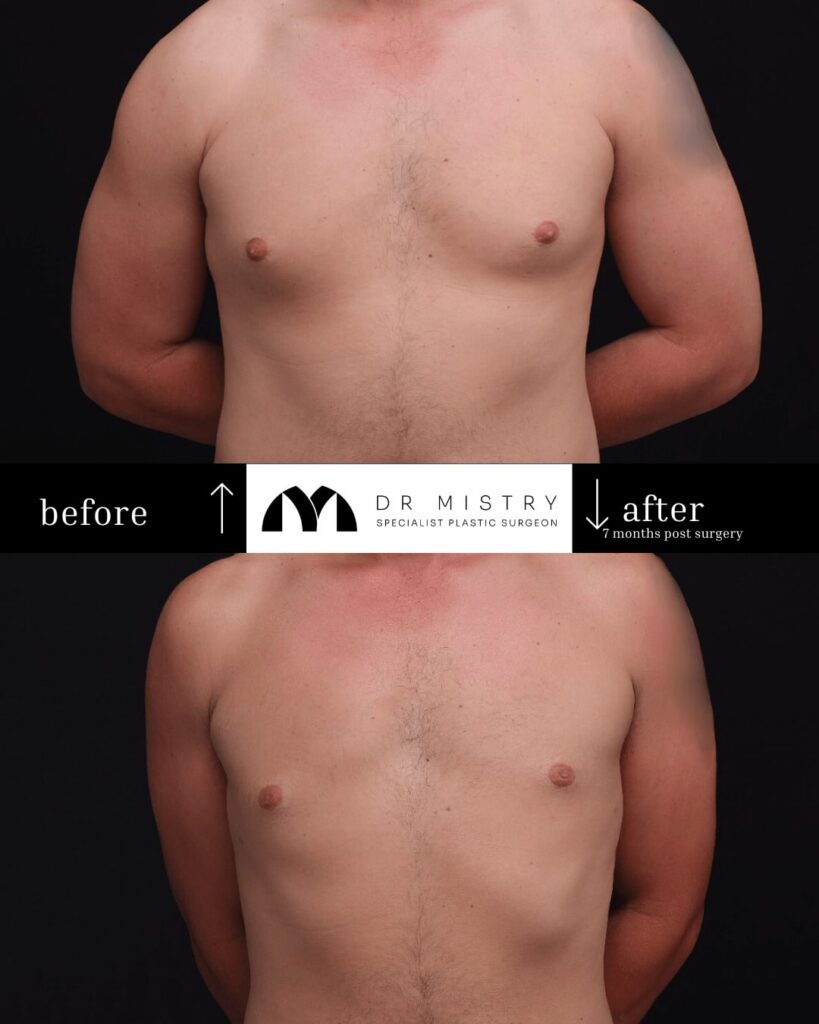

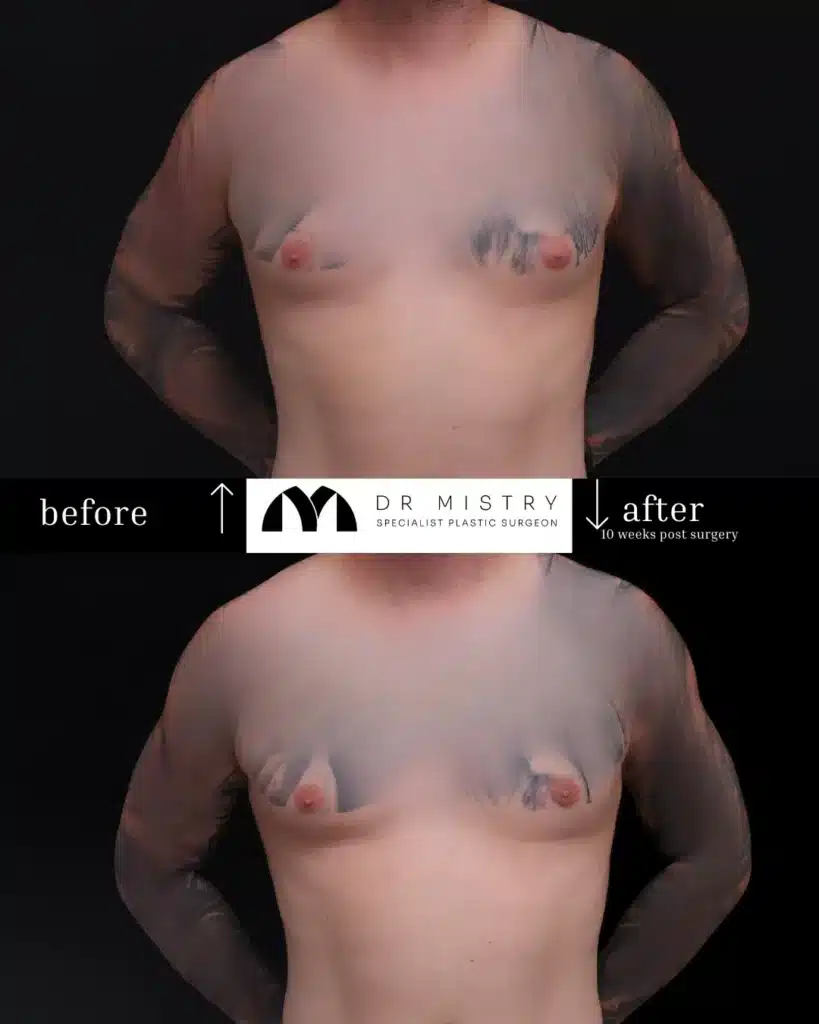
Disclaimer: The outcomes shown are specific to those patients and may not reflect the results experienced by others, as individual outcomes can vary due to a range of factors.
About Gynaecomastia Surgery
Gynaecomastia surgery is designed to address persistent enlargement of breast tissue in men when appropriate medical or lifestyle measures have not led to improvement. The procedure is tailored to the individual, as some men experience excess glandular tissue, others have fatty tissue contributing to chest prominence, and many present with a combination. This difference influences whether excision, liposuction or a combined approach is used. During consultation, Dr Yezdi Mistry evaluates the tissue characteristics, skin quality, medical history and contributing factors to determine the most suitable surgical plan.
The aim of surgery is to create a flatter, more proportional chest contour while adhering to safe operative principles and evidence-based practice. Incisions are planned carefully to minimise visibility, and operative steps are explained in detail to ensure that each patient understands what to expect.
Healing occurs gradually, and Dr Mistry emphasises the importance of structured follow-up care to monitor progress, support recovery and address any questions that arise. By combining clinical assessment, surgical precision and ongoing review, Dr Mistry provides a clear and informed pathway for individuals considering this procedure.
Are you Ready for Plastic Surgery? Take Our Quiz
Moving Forward with Your Surgical Assessment
Men experiencing persistent breast tissue enlargement and seeking further information are encouraged to arrange a consultation with Dr Yezdi Mistry at his Charlestown practice. This appointment provides an opportunity to discuss the history of the condition, previous treatments, contributing factors and any concerns or goals the patient may have. Dr Mistry undertakes a detailed examination to determine whether surgery is appropriate and explains the operative plan, recovery expectations and potential risks in clear, practical terms. This ensures that each individual has the information needed to make a well-informed decision.
The consultation also allows patients to understand how preparation, post-operative care and follow-up will be structured should they choose to proceed. Dr Mistry and his team guide patients through each stage of the process, offering support from the initial enquiry through to long-term review. Those wishing to explore whether treatment may be suitable for their circumstances are welcome to contact the Charlestown clinic to begin the process.
Download Dr Mistry’s Gynaecomastia Surgery Guide

Further Reading
- Read more about Breast Reduction
- Read Dr Mistry’s Blog on What Is Adult Gynaecomastia?
- Read Dr Mistry’s Blog on What Is Bodybuilder Gynaecomastia? A Detailed Medical Guide
- Read Dr Mistry’s Blog on Does Medicare Cover Gynaecomastia Surgery in Newcastle?
- Read Dr Mistry’s Blog on Everything you need to know about male chest reduction surgery
- Read Dr Mistry’s Blog on Does Being Overweight Cause Gynaecomastia? Causes, Signs and Effects