Gynaecomastia is a common condition that may affect men at different life stages. It involves an increase in breast tissue that can feel firm beneath the nipple or present as general fullness across the upper chest.Many individuals in Charlestown, Newcastle and the Hunter region explore medical assessment when this tissue remains persistent or causes discomfort. Surgery is one option when other approaches are not suitable or when the enlargement does not change over time. The purpose of surgery is to address the excess tissue in a way that supports a balanced chest appearance that reflects each patient’s anatomy.
Most individuals experience steady recovery following gynaecomastia surgery. However, a proportion of patients may discuss additional procedures. This may be referred to as gynaecomastia revision. The possibility of revision does not automatically indicate an issue with the previous operation. Instead, it may reflect the natural variation in healing, differences in anatomy, changes in weight or hormonal influences or early postoperative events that influence how the chest settles.
This article outlines situations where revision may be considered. It reflects the communication style used throughout Dr Yezdi Mistry, Specialist Plastic and Reconstructive Surgeon’s educational content and is suitable for men aged 20 to 70 in Charlestown and surrounding suburbs. This information is general and does not replace personalised medical advice. All surgical or invasive procedures carry risks and individual assessment is essential.
Understanding Why Gynaecomastia Revision May Be Considered
Gynaecomastia presents differently between individuals. Some men have firm glandular tissue, others have increased fat, and many have a combination. Primary surgery aims to address the relevant tissue using liposuction, direct excision or a combined method. The selected technique depends on tissue characteristics, degree of enlargement, skin behaviour and overall chest anatomy.
Revision is discussed when the long term outcome differs from the expectations established during preoperative planning. Early in recovery, swelling, firmness and temporary unevenness are common. Scar tissue may feel dense before softening. One side of the chest may settle more quickly than the other. These changes often reflect normal healing rather than a troublesome development.
Some individuals, however, may notice concerns that warrant review. These may relate to early postoperative events such as haematoma or infection, or later changes such as persistent fullness, uneven areas, asymmetry or skin that behaves differently than expected. Hormonal changes, medication use or weight variation may also influence the appearance. Recognising these possibilities helps guide informed discussions about whether revision may be suitable.
Early Postoperative Indications For Revision
Early revision involves a return to theatre within days or weeks after the initial procedure. This type of revision relates mainly to postoperative events rather than appearance. While early complications are not common, they may influence recovery and should be assessed promptly by a Specialist Plastic and Reconstructive Surgeon.
A haematoma is a recognised early postoperative event. It refers to a collection of blood beneath the skin that may present as increasing swelling, firmness or discomfort. It may appear more marked on one side. When a haematoma continues to expand, surgical drainage may be recommended to relieve pressure and support tissue health. Early management may help reduce later irregularities.
Infection can also occur, although this is less common. Signs may include increasing redness, warmth, tenderness or fluid from the incision. Some infections respond to medication while others may require a return to theatre for cleaning.
Circulation changes in the nipple areola complex may also develop. If swelling or tissue tension affects blood flow, early assessment is important. In rare cases, surgery may be required to support stability of the tissue.
Individuals in Charlestown, Newcastle or nearby areas should arrange review if unexpected symptoms develop during early recovery. Early assessment can guide appropriate management and support a steady healing period.
Later Indications For Gynaecomastia Revision Surgery
Later revision refers to procedures considered months or years after the initial operation. This allows swelling to settle, scar tissue to soften and the chest to reach a more stable appearance. Revision is generally not recommended before six months and often after twelve months, as this timeframe provides a clearer understanding of long term settling.
✓ Residual Or Persistent Gynaecomastia
Residual glandular tissue is one of the more common reasons individuals consider revision. This may feel like a firm area beneath the nipple or appear as a localised fullness once swelling decreases. Residual tissue is more likely when the enlargement is dominated by glandular tissue and liposuction alone was used during the primary procedure.
Scar tissue can sometimes resemble residual gland. Because scar firmness often reduces with time, specialist evaluation helps determine whether revision is likely to be appropriate.
✓ Recurrence After Initial Improvement
Recurrence refers to new enlargement after a period of improvement. This differs from residual tissue. Recurrence may result from hormonal changes, use of certain medications, anabolic steroid exposure or weight gain. Addressing the underlying cause is an important part of planning revision. Without managing contributing factors, the tissue may continue to increase.
✓ Areas That Settle Unevenly Or Show Indentations
Some individuals notice uneven settling or indentations as swelling reduces. These may relate to variations in tissue removal, natural healing or scar behaviour. Revision options may include targeted liposuction, fat transfer or release of scar tissue where appropriate. The chosen approach depends on the underlying structure of the tissue.
✓ Asymmetry Between Sides
Most men have natural asymmetry before surgery. Differences in rib shape, muscle bulk or nipple position are common. Mild asymmetry usually improves as healing progresses. If a significant difference persists, revision may be discussed. This often involves modifying one side to support a more balanced appearance.
✓ Excess Skin After Healing
Individuals with higher grades of gynaecomastia or reduced skin elasticity may notice excess skin after primary surgery. Surgeons often aim to limit unnecessary scarring by allowing the skin to contract naturally. If the skin does not retract as expected or if the nipple position lowers due to reduced internal support, revision may involve adjustments to skin or nipple position.
✓ Scar Concerns
Scars change over many months. Early scars may appear red or firm before softening. Some individuals develop hypertrophic or keloid scars due to genetic or personal tendencies. Non-surgical management is often attempted first. Revision may be considered when scars remain raised or prominent.
✓ Persistent Discomfort Or Changes In Sensation
Altered sensation is common in the early recovery period. This usually improves gradually. In some cases, persistent discomfort may suggest nerve involvement. Specialist assessment helps determine whether revision or conservative management is appropriate.
Factors That Influence Whether Revision Is Appropriate
A range of factors influence decisions regarding revision. A comprehensive examination determines whether the concern relates to expected healing, anatomical variation or a postoperative event.
Scar tissue often softens over time, meaning some areas that feel firm in the early months may change considerably. Weight variations can influence the chest. Weight gain may increase fat in the region, whereas weight loss may increase the visibility of underlying irregularities. Achieving weight stability before revision supports clearer assessment.
Identifying medical or hormonal factors is also important. Some medications or endocrine conditions contribute to enlargement. Addressing these factors supports long term stability.
Clear discussion of goals helps guide decision-making. Revision aims to address specific anatomical concerns but does not recreate an untouched chest. Clear communication helps maintain appropriate expectations.
Gynaecomastia Before and After Photos


Disclaimer: The outcomes shown are specific to those patients and may not reflect the results experienced by others, as individual outcomes can vary due to a range of factors.
What Revision Surgery May Involve
Revision surgery is tailored to individual needs. It may be less extensive than the initial procedure or more complex if scar tissue is significant. Residual glandular tissue may be addressed through the previous incision. Uneven areas may be modified using liposuction, fat transfer or tissue adjustment. Excess skin may be adjusted depending on the degree of change required.
Recovery following revision usually resembles the original healing process. Swelling and firmness are expected initially and gradually settle. Follow up appointments and postoperative guidance support a steady recovery.
The Importance Of Underlying Cause Assessment Before Revision
Understanding why gynaecomastia developed initially supports stable long term results. Hormonal influences, medical conditions, medications or supplements may contribute. Without addressing these factors, further changes may occur after revision.
During consultation, Dr Mistry reviews medical history, medication use and any recent health changes. Additional medical assessment may be recommended if needed.
Timing Of Revision And Recovery Expectations
Timing is an essential part of planning revision. Revision is rarely discussed before six months and often considered after twelve months. Operating too soon may interfere with healing or influence tissue behaviour.
Recovery expectations following revision are similar to the initial procedure. Swelling and firmness reduce gradually and follow up appointments support the healing process.
FAQs About Gynecomastia Revision
Can scar tissue after gynaecomastia surgery feel like the original glandular tissue?
Scar tissue can feel firm during the early months of healing and may resemble glandular tissue when touched. Over time, this firmness often softens, and a clinical examination can help clarify whether the firmness is part of normal healing or something that may need further assessment.
Is it possible for the chest to change several years after gynaecomastia surgery?
Yes, changes may occur due to weight variation, hormonal influences or certain medications. If new changes develop years later, a review can help determine whether these relate to natural ageing, lifestyle factors or recurrent glandular tissue.
Can exercise or chest workouts influence the appearance after gynaecomastia surgery?
Chest exercises can strengthen the underlying muscles and may subtly influence the way the chest sits, but they do not remove glandular tissue. If new fullness appears after training, a review can help determine whether this relates to muscle growth, fat distribution or tissue changes.
Is it normal for one side of the chest to settle faster than the other after surgery?
Yes, uneven settling is common during the first few months because healing rarely occurs at the same pace on both sides. As swelling decreases and tissue adjusts, the difference often becomes less noticeable.
Can changes in sensation after surgery take a long time to stabilise?
Altered sensation may take months to settle and can continue to change as nerves recover. While many individuals notice improvement over time, the pace and extent of change vary between people.
Does weight gain after surgery always affect the appearance of the chest?
Weight gain may increase fat in the chest region, which can create the impression of new fullness. A clinical examination can help determine whether changes relate to fat distribution or glandular tissue.
Is revision possible if I have scar tissue from a previous operation?
Revision is sometimes possible even when scar tissue is present, although surgical planning may be more detailed. An assessment helps determine what approaches may be appropriate based on the quality and behaviour of the existing scar tissue.
Can medication influence whether revision is recommended?
Certain medications are known to contribute to glandular enlargement, and these may be reviewed before planning revision. Adjusting or evaluating medications with the support of a general practitioner or endocrinologist helps support long term stability.
Is it common for firmness to persist for many months after the initial surgery?
Firmness can persist for several months due to scar development and swelling, particularly beneath the nipple. This typically reduces gradually, although the timeframe varies between individuals.
Can revision be combined with other chest procedures if needed?
In some cases, revision may be planned alongside other procedures, depending on individual anatomy and clinical needs. Whether this is appropriate depends on safety considerations and detailed surgical planning.
Medical References
- Surgical Management Of Gynecomastia: A Comprehensive Review Of The Literature. Plastic And Reconstructive Surgery Global Open. 2020. – https://pmc.ncbi.nlm.nih.gov/articles/PMC7647635/
- Gynecomastia In Adolescent Males. Seminars In Plastic Surgery. 2013. – https://pmc.ncbi.nlm.nih.gov/articles/PMC3706045/
- Available Techniques To Minimize Scars In Surgical Management Of Gynecomastia. JPRAS Open. 2024. – https://www.jprasopen.com/article/S2352-5878%2824%2900142-6/fulltext
Are you Ready for Plastic Surgery? Take Our Quiz
When To Seek A Specialist Review
Individuals should seek specialist assessment if they experience unexpected symptoms at any stage after surgery. These include increasing redness, swelling, discomfort, firmness that persists or new changes that appear months after the initial procedure. Specialist review helps determine whether observation or further treatment is suitable.
Patients in Charlestown, Newcastle and the wider region can arrange consultation with Dr Yezdi Mistry. An in-person assessment supports informed planning. This article is an educational guide and not personalised medical advice. All surgical procedures carry risks and individual experiences vary.
About Dr Yezdi Mistry
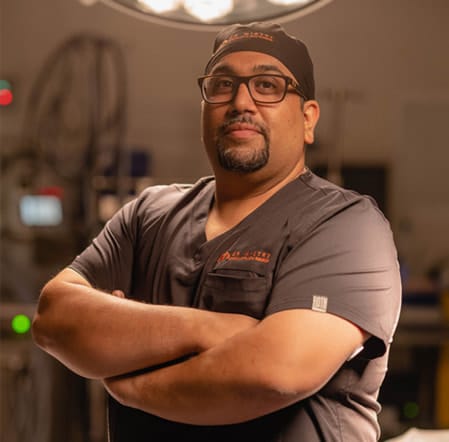
Dr Yezdi Mistry is a Specialist Plastic and Reconstructive Surgeon based in Charlestown, NSW. He has years of practising in plastic and reconstructive surgery and holds FRACS accreditation in Plastic Surgery. After completing his specialist training, Dr Mistry relocated to Newcastle where he served as a Visiting Medical Officer in hand and plastic surgery at John Hunter Hospital before establishing his private practice in 2017.
Dr Mistry’s approach centres on careful assessment, clear communication and patient centred care. He participates in ongoing professional development in Australia and internationally. He was the first Australian delegate to attend the Body Contouring Academy in Paris, completing advanced training with experienced clinicians in the field. His practice includes the use of technologies such as VASER and Renuvion when clinically appropriate. Dr Mistry is committed to providing considered, individualised care throughout the treatment process.
Download Dr Mistry’s Gynaecomastia Surgery Guide

Further Reading
- Read Dr Mistry’s Blog on What Causes Gynaecomastia
- Read Dr Mistry’s Blog on What Is Adult Gynaecomastia?
- Read Dr Mistry’s Blog on Does Medicare Cover Gynaecomastia Surgery in Newcastle?
- Read Dr Mistry’s Blog on What Is Bodybuilder Gynaecomastia? A Detailed Medical Guide
- Read Dr Mistry’s Blog on Everything you need to know about male chest reduction surgery