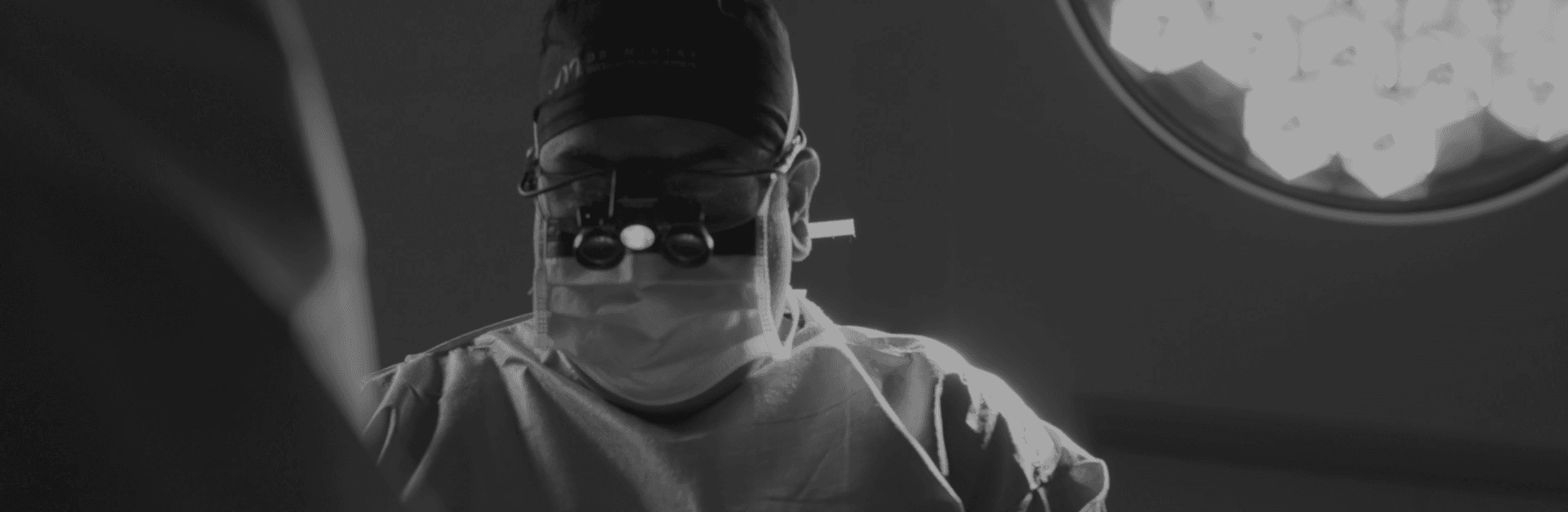
Thumb injuries can have a profound effect on everyday hand function. Tasks that are often taken for granted, such as holding cutlery, fastening clothing, writing, typing or lifting objects, rely heavily on coordinated thumb movement and stability. The thumb accounts for a significant proportion of overall hand function, particularly pinch strength and fine motor control. When injury occurs, even minor disruption can interfere with work, independence and quality of life.
Thumb injury treatment is focused on preserving anatomy, restoring stability and supporting long-term function. Management may involve observation, splinting, hand therapy or surgery depending on the nature and severity of the injury. Surgical treatment is considered when there is structural damage that is unlikely to recover adequately without intervention.
Dr Yezdi Mistry is a Specialist Plastic and Reconstructive Surgeon based in Charlestown, NSW, with extensive experience in the assessment and surgical management of hand and thumb injuries. His approach is grounded in careful diagnosis, evidence-based decision making and clear communication. Patients are supported through each stage of care, from initial consultation through recovery and longer-term follow-up.
Understanding Thumb Injuries and Treatment Options
Thumb injuries arise from a wide range of causes. Acute trauma may occur during sport, workplace incidents, falls, motor vehicle accidents or direct impact. Other injuries develop gradually due to repetitive strain, degenerative change or cumulative microtrauma. The thumb is particularly vulnerable due to its mobility and its role in forceful grip and pinch activities.
Common thumb conditions assessed by Dr Yezdi Mistry include ligament injuries such as ulnar collateral ligament tears, radial collateral ligament injuries, flexor and extensor tendon injuries, fractures of the thumb bones, joint instability, post-traumatic stiffness and arthritis following injury. Each condition affects thumb function in different ways and requires a tailored approach.
Not all thumb injuries require surgery. Many stable fractures, partial ligament injuries and minor tendon conditions can be managed with splinting, activity modification and supervised hand therapy. Surgical management may be recommended when there is complete structural disruption, joint instability, displaced fractures or when non-operative treatment has not resulted in acceptable function.
Assessment begins with a detailed medical history and physical examination. Dr Mistry evaluates thumb alignment, stability, range of motion, strength and sensation. Imaging studies such as X-rays, ultrasound or MRI may be used to confirm the diagnosis and define the extent of injury. This comprehensive approach ensures that treatment decisions are based on objective findings rather than assumptions.
When Surgical Management May Be Considered
Surgical management of a thumb injury may be considered when the underlying damage is unlikely to heal adequately with conservative care alone. The decision to proceed with surgery is never automatic and is made only after careful discussion between the patient and surgeon.
Situations where surgery may be recommended include complete ligament rupture leading to joint instability, tendon laceration or rupture that limits thumb movement, displaced or unstable fractures, joint surface incongruity, or ongoing pain and dysfunction despite appropriate non-operative treatment. In some cases, delayed presentation of an injury may also influence the need for surgery.
Dr Yezdi Mistry considers a range of individual factors when advising on surgical treatment. These include the patient’s age, hand dominance, occupation, recreational activities, general health and expectations regarding recovery. For patients whose work or daily activities rely heavily on precise hand function, restoring stability and movement may be particularly important.
The goal is not simply to repair damaged structures, but to support meaningful and sustainable thumb function. Patients are encouraged to ask questions and take time to consider their options before proceeding.
Expected Functional Outcomes – Clinical Aims
The clinical aims of thumb injury surgery are to support joint stability, preserve or maintain movement and reduce the likelihood of longer-term complications such as stiffness or joint degeneration. Surgery is designed to address specific anatomical problems rather than provide guaranteed outcomes.
Expected functional outcomes vary depending on the type and severity of injury, the surgical technique required and the individual healing response. Many patients notice a change in thumb stability, pinch strength and overall hand use following appropriate treatment. However, recovery is a gradual process and improvement may continue for many months.
Dr Mistry discusses outcomes in practical, functional terms. Rather than focusing on abstract measures, conversations centre on what activities the patient may reasonably expect to return to and what limitations may remain. This approach supports informed decision making and realistic expectations.
Clinical Images and Treatment Context
Clinical images may be used during consultation to help explain thumb anatomy, injury patterns and surgical techniques. These images can assist patients in visualising the structures involved and understanding the rationale for treatment recommendations.
Individual outcomes vary, and images do not represent guaranteed results. Clinical images are never a substitute for personalised assessment and discussion.
How Thumb Injury Surgery Is Performed
Thumb injury surgery encompasses a range of procedures, each tailored to the specific structures involved. Surgery is performed in an accredited hospital setting under regional or general anaesthesia, depending on the procedure and patient factors.
Ligament repair may involve reattaching torn ligament tissue to bone using sutures or anchors. In cases where the ligament cannot be repaired directly, reconstruction using local tissue or graft material may be required. Tendon injuries may be treated with direct repair, tendon grafting or staged reconstruction depending on the extent and timing of injury.
Fractures of the thumb may require internal fixation to restore alignment and joint congruity. This may involve the use of small plates, screws or wires designed specifically for hand surgery. Precise positioning is critical to support healing and reduce the likelihood of stiffness or post-traumatic arthritis.
Dr Yezdi Mistry applies meticulous surgical technique with careful handling of soft tissues. Surgical planning is based on established principles and current clinical evidence. The chosen approach reflects the injury pattern rather than a one-size-fits-all method.
Known Risks and Possible Complications
All surgical procedures carry potential risks and complications. For thumb injury surgery, these may include infection, bleeding, delayed wound healing, scar sensitivity, stiffness, nerve irritation, altered sensation or reduced range of motion. In some cases, further treatment or additional surgery may be required.
The likelihood of complications varies depending on the type of injury, the complexity of surgery and individual health factors. Some injuries, particularly those involving joint surfaces or long-standing damage, may not allow full restoration of pre-injury function.
Dr Mistry discusses risks openly and thoroughly during consultation. Patients are encouraged to raise concerns and seek clarification. Risk management involves careful patient selection, precise surgical technique and structured post-operative care.
Healing Timeline and Return to Hand Function
Healing following thumb injury surgery occurs in stages. Initial protection of repaired structures is essential and often involves splinting or casting. This phase allows tissues to heal without undue stress.
Once appropriate, guided mobilisation begins under the supervision of a qualified hand therapist. Therapy focuses on restoring movement while protecting surgical repairs. Strengthening exercises are introduced gradually as healing progresses.
Recovery timelines vary. Some patients return to light activities within weeks, while others require several months of rehabilitation before resuming heavier tasks. Return to work and sport is guided by functional progress rather than fixed timeframes. Ongoing improvement may continue for up to a year following surgery.
Ongoing Hand Care and Functional Monitoring
Long-term care following thumb injury surgery is focused on maintaining function and monitoring for late complications. Some patients may experience residual stiffness, weakness or altered sensation, particularly after complex injuries.
Dr Yezdi Mistry provides follow-up assessments to review healing, functional progress and any concerns that arise. Early identification of issues such as stiffness or tendon adherence allows timely intervention and may reduce long-term limitation.
Patients are encouraged to continue prescribed exercises and protect their hands from reinjury. Ongoing attention to hand health supports sustained function over time.
Fees and Financial Considerations in New South Wales
The cost of thumb injury surgery in New South Wales varies depending on the nature of the injury, the complexity of the procedure, hospital requirements, anaesthesia and post-operative care. Each patient’s situation is unique.
During consultation, Dr Mistry provides clear information regarding anticipated surgical fees and associated costs. This allows patients to make informed decisions and plan accordingly. Financial discussions are handled transparently and respectfully.