
Adolescent gynaecomastia is a condition that many families in Charlestown, Newcastle and the wider Hunter region encounter at some point during puberty. It refers to the development of glandular breast tissue in teenage boys and is considered a recognised and often temporary part of adolescent growth. Although it can raise questions for teenagers and their parents, it is usually not a sign of illness and frequently changes with time as hormone patterns stabilise.
Dr Yezdi Mistry, Specialist Plastic and Reconstructive Surgeon based in Charlestown, NSW, emphasises a detailed assessment, clear explanations and evidence-based guidance. Dr Mistry has extensive training and qualifications, including fellowship with the Royal Australasian College of Surgeons in Plastic Surgery, and years of clinical experience caring for adolescents and adults in the Newcastle and Hunter region. The information below aims to support families with a balanced, educational overview of adolescent gynaecomastia while adhering to all AHPRA requirements for accuracy and non-promotional communication.
Adolescent gynaecomastia occurs when glandular breast tissue develops beneath the nipple and surrounding area during puberty. This tissue feels firm to touch and is different from the softer, more diffuse fatty tissue found in the chest. The presence of glandular tissue reflects the natural effects of hormones on breast tissue during adolescence.
This process is benign. The development of glandular breast tissue in teenage boys is not linked to cancer in this age group and is not considered an indicator of disease. It forms as part of the body’s response to hormonal signals, particularly during the early and middle stages of puberty. In many teenagers, the glandular tissue gradually reduces in prominence without any intervention.
The appearance of this tissue can vary. Some adolescents experience a small area of firmness, while others notice more prominent changes. In many cases, the changes occur on both sides of the chest, though one side may begin developing earlier than the other. This asymmetry is a recognised pattern and commonly settles with time.


Adolescent gynaecomastia is a well-documented part of development. Research indicates that a considerable proportion of boys experience some degree of glandular breast tissue during puberty. In some studies, up to half of adolescent boys demonstrate noticeable breast tissue development at some stage. Clinically, many presentations are never formally documented because they resolve without medical attention.
The age at which the condition appears varies across individuals. Many boys notice changes around ages thirteen to fourteen, although there is a wide normal range. Body composition, timing of puberty, genetic factors and individual hormone patterns can all influence when and how the changes appear.
In the Charlestown and Newcastle community, parents often seek guidance to confirm whether their son’s development falls within typical patterns. Understanding that these changes are common helps families navigate this period with clarity and reassurance.
Puberty involves complex shifts in hormone activity. Testosterone and oestrogen levels change at different rates, and breast tissue is sensitive to oestrogen. When oestrogen activity is temporarily higher relative to testosterone, glandular breast tissue may develop. This does not mean testosterone is low. Instead, the hormonal pattern at that stage of development can lead to temporary stimulation of breast tissue.
As puberty progresses, testosterone generally becomes more dominant and the glandular tissue gradually becomes less hormonally active. This is why most cases improve without intervention. However, the timeframe for these changes is individual and can vary considerably. Some teenagers notice improvement within months, while for others, changes continue over a longer period.
Tenderness in the breast area is also common during active development. This discomfort generally reduces as the tissue becomes less responsive to hormonal signals.
Adolescent gynaecomastia usually follows a predictable path. The condition often begins during the early to middle stages of puberty, stabilises over time and then gradually decreases as puberty continues. Many teenagers notice that the glandular tissue becomes less prominent within the first year. Others may experience a gradual decrease over two to three years.
This pace can feel slow for teenagers who are concerned about their appearance. However, the lengthy timeframe is part of the normal pattern. Regular observation during this period provides a structured approach without intervening prematurely.
If breast tissue remains unchanged for more than twelve to eighteen months or continues beyond the usual timeframe for pubertal development, it may be worthwhile seeking a review. Persistence alone does not indicate illness, but further assessment can help determine whether additional factors may be contributing.
Although adolescent gynaecomastia is commonly physiological, healthcare professionals aim to identify less frequent contributors. These include certain medications, specific hormonal conditions or a history of particular illnesses.
A thorough assessment begins with a detailed medical history. This includes the age of onset, how quickly the tissue has developed, whether it is present on one or both sides and whether there is associated discomfort. Doctors also explore general health, medication use, supplements, recreational substances and family patterns of development. Certain prescribed medications, including some used for mental health conditions, heart conditions or gastric reflux, may influence breast tissue development in some individuals. Anabolic steroids and selected recreational drugs may also contribute in older adolescents.
A structured physical examination helps distinguish glandular tissue from fatty tissue. Glandular tissue forms a firm, defined area beneath the nipple, whereas fatty tissue feels softer and more diffuse. This distinction is important when understanding the difference between true gynaecomastia and pseudogynaecomastia, as they involve different tissue types and may require different management approaches. The clinician also assesses overall pubertal development, height, weight and testicular size to detect signs of hormonal imbalance.
Further investigations are not routinely required. Tests are usually reserved for boys who have early onset of breast tissue development, significant asymmetry, very rapid changes or features that may suggest an underlying endocrine or systemic condition. When needed, investigations may include selected blood tests or imaging, guided by the clinician’s assessment.
Adolescent gynaecomastia can affect how teenagers engage in school, sport and social situations. Some may avoid removing their shirt in public settings, such as swimming or changing rooms, and others may choose clothing that reduces visibility of the chest. These choices can arise even when the physical changes are mild.
Families in Charlestown and Newcastle often express concern about the emotional effect of these changes. Supportive conversations can make a meaningful difference, especially when teenagers feel uncertain or worried about their appearance. Encouraging open dialogue, validating their perspective and offering accurate information about what to expect can help reduce distress.
If a teenager withdraws from usual activities or experiences significant worry, seeking guidance from a GP can be useful. Some families choose to involve a psychologist with experience in adolescent health to provide further support during this developmental stage.
Observation is frequently the recommended first approach for adolescent gynaecomastia. This involves monitoring the condition over time, with periodic reviews to track any changes. This method aligns with the natural progression of the condition and avoids unnecessary interventions during stages when improvement is likely.
During this period, general wellbeing plays an important role. Regular physical activity, balanced nutrition, adequate rest and avoidance of substances that influence hormone activity all support overall health. Exercise does not worsen glandular tissue development, and participation in sport or physical activity is encouraged.
Scheduled follow-up appointments allow teenagers and their families to ask questions, reflect on changes and seek guidance if any new concerns arise. This approach provides clarity and helps families understand the expected pace of development.
Most adolescents do not require medical treatment for gynaecomastia. However, in some specific situations where breast tissue is particularly tender, continues to increase in size or significantly affects daily functioning, a paediatrician or endocrinologist may consider medication.
These medications aim to influence hormone signalling. They are generally used only when the potential benefits outweigh risks and are considered on a case-by-case basis. Due to the need for careful monitoring and variable effectiveness across individuals, medical therapy is typically reserved for specific scenarios rather than routine use.
Families in Newcastle and the Hunter region often find that observation alone supports gradual improvement over time without the need for medication.
Disclaimer: The outcomes shown are specific to those patients and may not reflect the results experienced by others, as individual outcomes can vary due to a range of factors.


Surgery is not commonly recommended during adolescence. It is generally discussed only when glandular breast tissue has been present for a long period, has remained stable without reduction and breast development is complete. Timing is important because ongoing hormonal changes may influence the long-term outcome if surgery is performed too early.
In Charlestown, Dr Yezdi Mistry sees adolescents and adults referred by their GP for persistent breast tissue development. During a consultation, Dr Mistry provides a thorough assessment, explains what surgery may involve and outlines the potential risks and recovery steps. Surgery addresses existing glandular tissue but cannot influence future hormonal patterns or predict a specific appearance.
Discussions with a Specialist Plastic and Reconstructive Surgeon focus on realistic expectations, individualised assessment and clear explanation of the procedure and healing process. This supports informed decision-making for teenagers and their families.
Before proceeding with a referral, clinicians review several factors. These include how long the breast tissue has been present, whether it is still changing, the adolescent’s health and the level of emotional effect it may be causing. The stage of puberty is also considered because hormonal changes can continue into late adolescence.
Shared decision-making is important at this stage. Teenagers are encouraged to ask questions and express their views. Parents play a supportive role, and clinicians guide the family through the options available. This ensures that any decision is informed, thoughtful and aligned with the adolescent’s needs.
Families in the Hunter region often appreciate having a clear and structured pathway for assessment. In most cases, the GP is the first point of contact. The GP can help determine whether the breast tissue changes fit within typical patterns of development, whether tests are necessary and whether specialist referral is appropriate.
Dr Yezdi Mistry’s practice in Charlestown provides further assessment for adolescents referred for persistent gynaecomastia. Dr Mistry’s approach is grounded in detailed evaluation, clinical knowledge and patient education. Families are provided time to understand the nature of the condition, expected timeframes for improvement and the options available should the condition not change over time.
By working in collaboration with GPs, paediatricians and endocrinologists, Dr Mistry contributes to a coordinated care experience for teenagers and their families.
Yes, some teenagers notice that glandular breast tissue changes over time, including short periods where it becomes less noticeable before increasing again. This reflects normal hormonal variation during puberty and often settles as development progresses.
Not always. Some teenagers experience temporary discomfort when the glandular tissue is actively developing, while others have no tenderness at all. Both patterns are recognised and do not indicate a specific outcome.
Physical activity does not stimulate glandular tissue development. Some teenagers may notice temporary changes in how the chest looks when exercising due to muscle activation, but this does not affect the underlying breast tissue.
Yes, many teenagers experience changes on one side before the other. The second side often changes later, and this pattern is considered typical within normal puberty.
Weight does not alter the glandular component of gynaecomastia, but it may influence the appearance of fatty tissue in the chest. Clinicians assess both components during examination to help explain the contribution of each.
Yes, glandular breast tissue may develop earlier in boys who enter puberty ahead of their peers. In these cases, assessment focuses on ensuring the changes match the individual’s stage of development.
Some supplements may affect hormone activity, particularly those marketed for muscle building or performance. It is advisable for families to discuss all supplements with their GP to determine whether they are suitable during puberty.
Stress does not directly cause glandular breast tissue to form. However, stress can influence sleep, appetite and activity patterns, which may contribute to general changes during adolescence.
Yes, some teenagers experience a prolonged stable phase before noticing gradual reduction. This variation falls within the recognised range of normal pubertal development.
Clothing choice and posture can change how the chest looks day to day but do not alter the glandular tissue itself. These factors may affect visibility, which is why some teenagers notice fluctuations even without physical change.
Information about adolescent gynaecomastia found online can occasionally be inaccurate or misleading. Some sources incorrectly attribute the condition to diet, exercise habits or posture. Others promote supplements or interventions that are not supported by clinical evidence. Access to reliable information helps families avoid unnecessary worry and supports safer decision-making.
Evidence-based guidance highlights that adolescent gynaecomastia commonly follows a self-limiting course, that observation is appropriate for most individuals and that additional testing is indicated only in selected circumstances. Clear, factual information helps families understand what to expect and encourages thoughtful consideration of options as puberty progresses.
Adolescent gynaecomastia is a recognised developmental process that many teenage boys experience. It reflects the natural effects of hormonal changes during puberty and is not typically linked with illness. For most teenagers in Charlestown, Newcastle and the broader Hunter region, the condition gradually changes with time and benefits from observation and supportive care.
When the condition persists, appears atypical or causes significant worry, timely assessment by a GP or relevant specialist provides helpful clarity. In selected situations, referral to a Specialist Plastic and Reconstructive Surgeon such as Dr Yezdi Mistry may be appropriate for further evaluation.
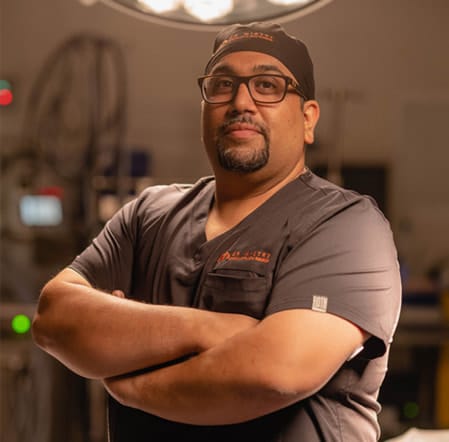
Dr Yezdi Mistry is a Specialist Plastic and Reconstructive Surgeon based in Newcastle, NSW. With extensive training and experience in both reconstructive and aesthetic surgery, Dr Mistry is committed to providing safe, evidence-based care that is tailored to each patient’s individual needs.
After completing his Fellowship of the Royal Australasian College of Surgeons (FRACS) in Plastic Surgery in 2013, Dr Mistry relocated to Newcastle with his family in 2015. He began his work as a Visiting Medical Officer (VMO) in Plastic and Hand Surgery at John Hunter Hospital before establishing his private practice in 2017. His practice offers a comprehensive range of reconstructive and aesthetic procedures for the breast, body, face, and skin.
Dr Mistry’s approach to patient care is grounded in trust, respect, and open communication. From initial consultation to recovery, he aims to ensure patients feel informed, supported, and comfortable throughout their surgical journey. He is dedicated to maintaining the highest professional and ethical standards in all aspects of his work.
To remain at the forefront of modern surgical techniques, Dr Mistry continues to pursue ongoing professional development both in Australia and internationally. He was Australia’s first delegate at the Body Contouring Academy in Paris, where he received advanced training in body contouring and skin-tightening techniques, including VASER and RENUVION technologies.
Professional Memberships:
Fill in your details and our friendly team will be in touch with you
Please Note: Information provided on Dr Mistry’s website is provided as a basic guide, it does not constitute a diagnosis and should not be taken as medical advice. Any surgical or invasive procedure carries risks.



“I care because it’s my job as a surgeon, as a plastic surgeon, to do the appropriate thing and to give you a good outcome. I want to leave knowing that I can tell a patient, hand on heart, that I did the very best I could and that I looked after them, so when I see them post op later that day or the next morning, that they feel they were in good hands.”
– Dr Yezdi Mistry
Request a Consult
